

7 of the Strangest Animals Ever Found in the Ocean

The Ocean Is Still Full of Unknown Creatures
The ocean covers more than 70% of the Earth, yet scientists estimate that the majority of it remains unexplored. And the deeper researchers go, the stranger things seem to get.
From fish with transparent heads to predators with extendable jaws, the deep sea is home to some of the most bizarre animals ever discovered. Many of these creatures have evolved in extreme conditions—total darkness, freezing temperatures, and crushing pressure.
According to the National Oceanic and Atmospheric Administration, more than 80% of the ocean remains unmapped and unexplored, leaving scientists with only a glimpse of what actually lives beneath the surface.
Here are seven of the strangest ocean animals ever found.
Goblin Shark: A Living Fossil
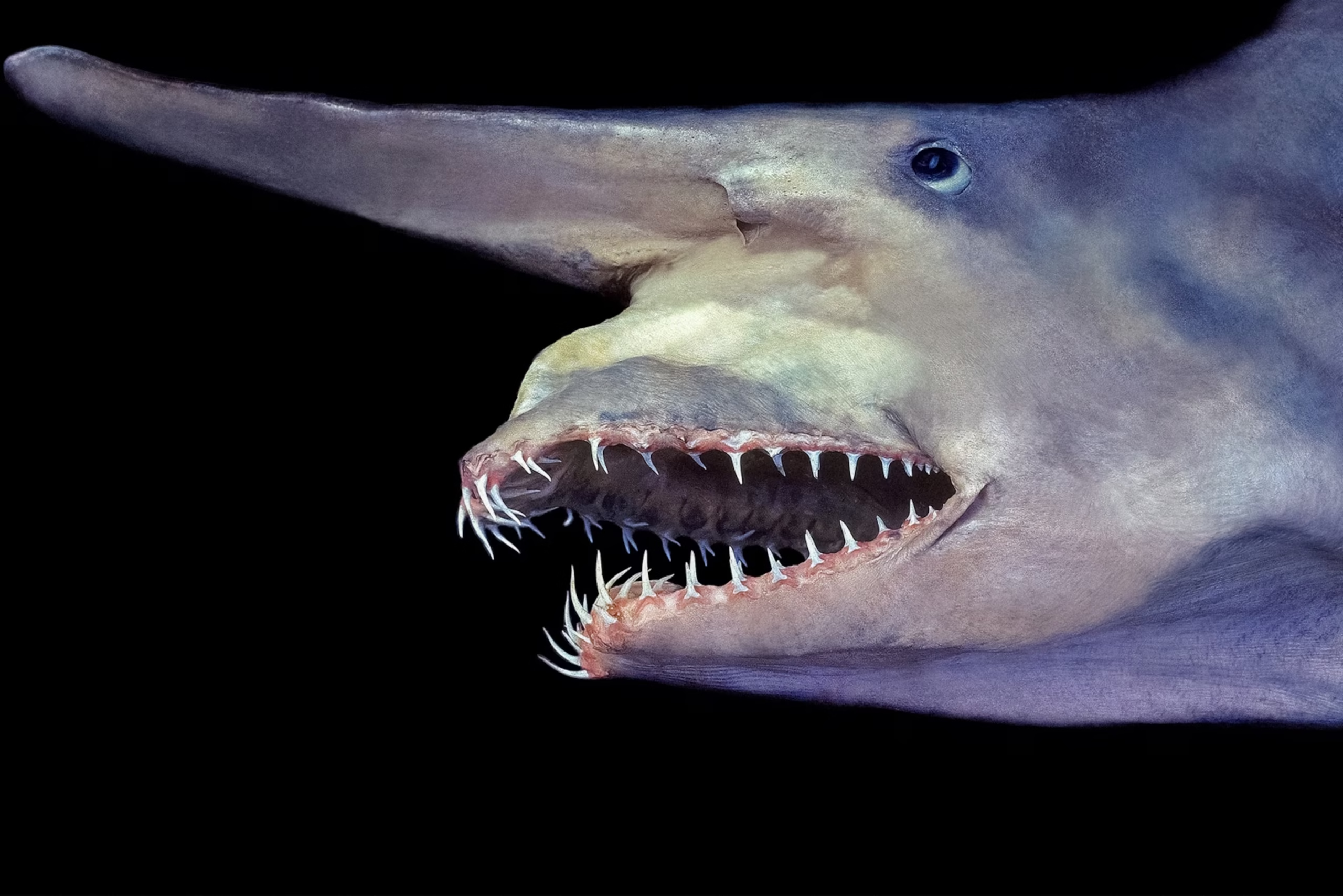
Few creatures look as unsettling as the goblin shark.
With its long, flattened snout and jaws that can shoot forward to grab prey, it looks more like a creature from a science fiction movie than a real animal. The species has remained largely unchanged for millions of years.
According to the Smithsonian Institution, the goblin shark’s lineage dates back over 100 million years, making it one of the most ancient shark species still alive today.
Frilled Shark: A Deep-Sea Dinosaur
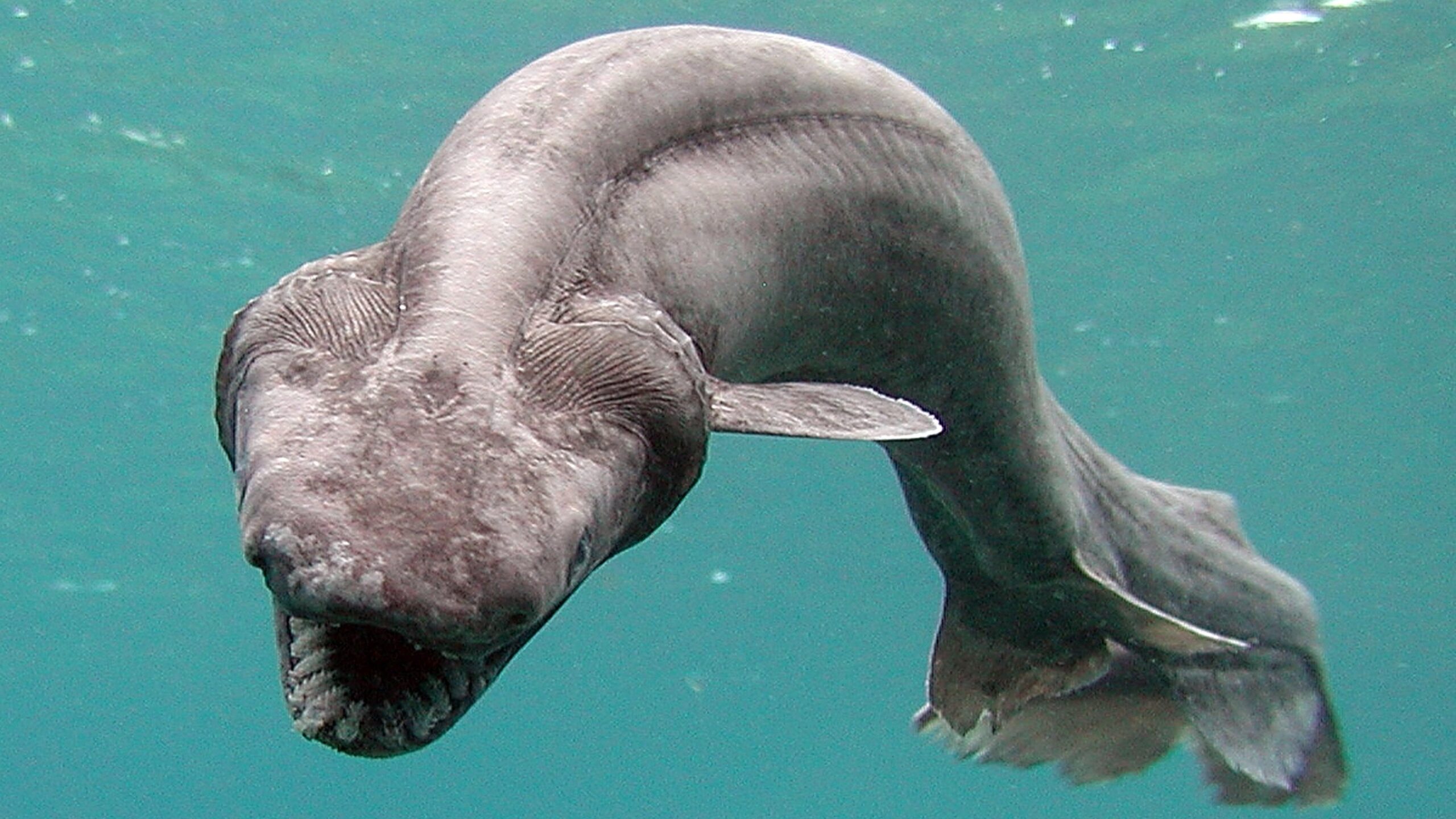
The frilled shark is often described as a “living fossil,” and it’s easy to see why.
Its long, eel-like body and rows of sharp, needle-like teeth give it a prehistoric appearance. Sightings are rare, as the species lives in deep ocean waters far below the surface.
According to the National Oceanic and Atmospheric Administration, frilled sharks are rarely encountered and remain one of the least understood shark species in the world.
Anglerfish: The Ocean’s Ambush Predator
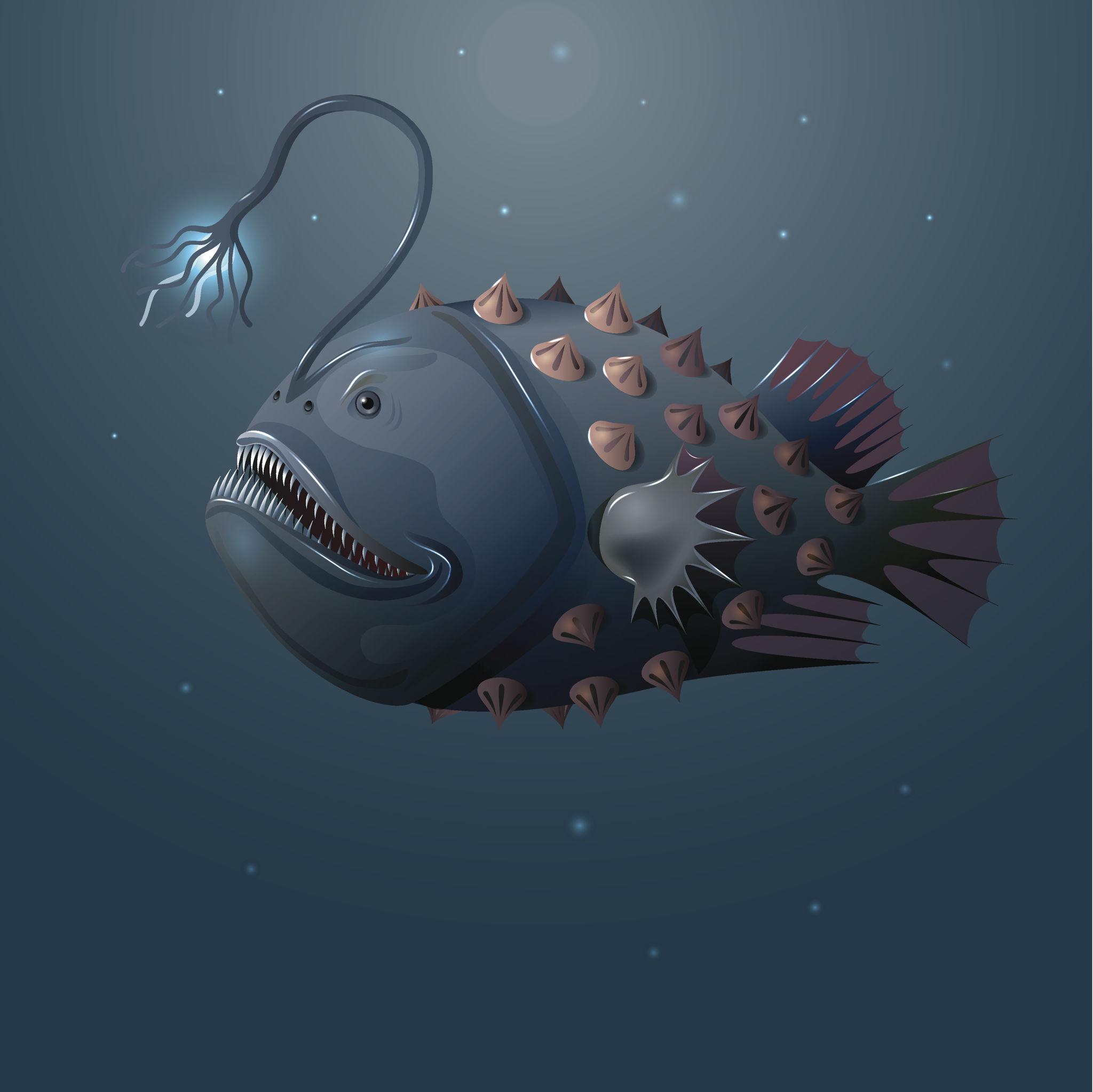
The anglerfish is one of the most recognizable deep-sea creatures—and one of the strangest.
It uses a glowing lure attached to its head to attract prey in complete darkness. Once a fish gets close enough, the anglerfish strikes with lightning speed.
According to research from the Monterey Bay Aquarium, this bioluminescent adaptation allows the anglerfish to survive in environments where sunlight never reaches.
Giant Isopod: The Ocean’s Oversized Scavenger
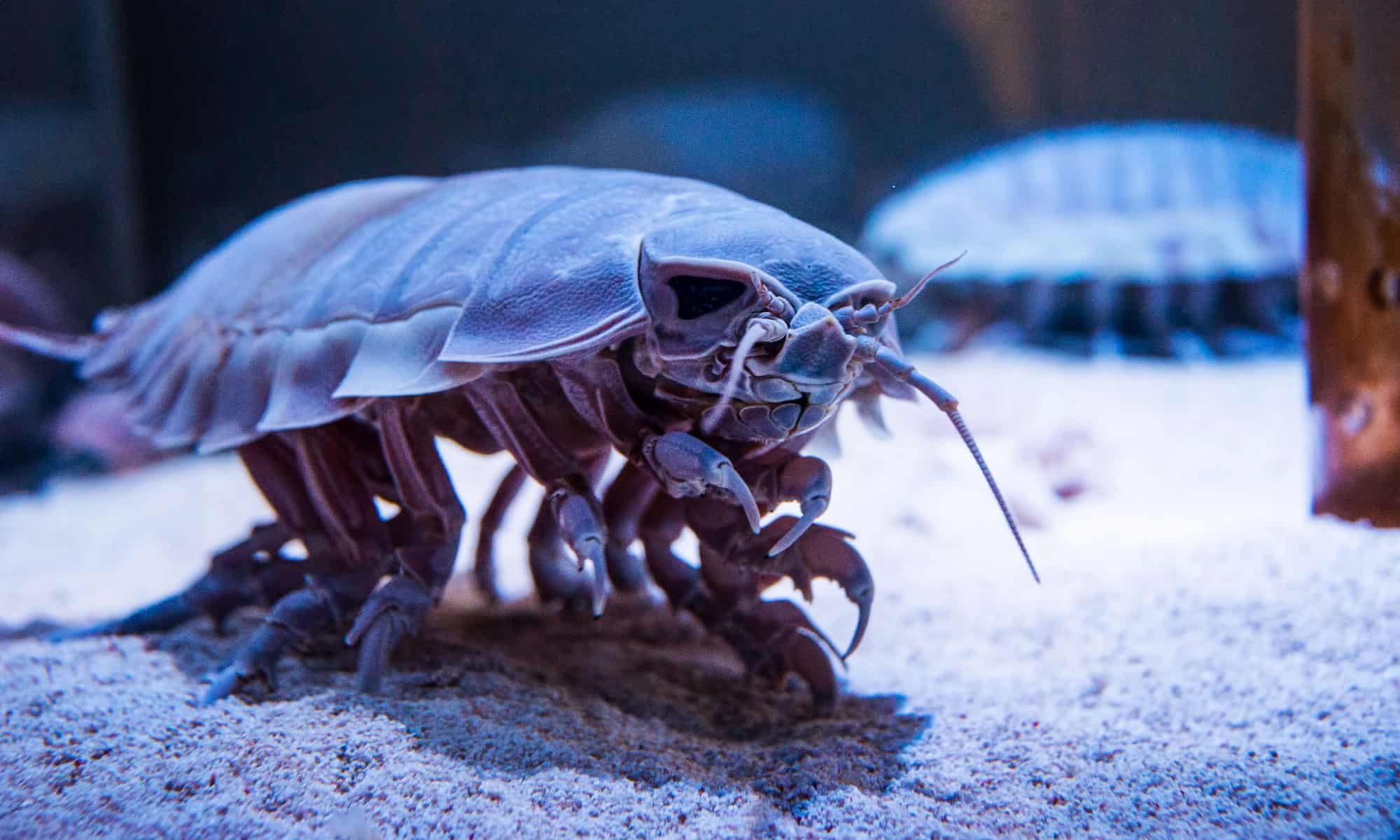
The giant isopod looks like a massive version of a common pill bug—but it lives thousands of feet below the surface.
These creatures can grow over a foot long and survive on scraps of food that fall to the ocean floor.
According to the National Oceanic and Atmospheric Administration, giant isopods are adapted to survive long periods without food, sometimes going years between meals.
Barreleye Fish: A Transparent Head

The barreleye fish might be one of the strangest animals ever captured on camera.
Its head is completely transparent, allowing scientists to see its internal structures, including its bright green eyes. These eyes can rotate upward to detect prey above it.
According to findings from the Monterey Bay Aquarium Research Institute, this unique adaptation helps the fish survive in the deep sea where visibility is extremely limited.
Vampire Squid: A Deep-Sea Oddity
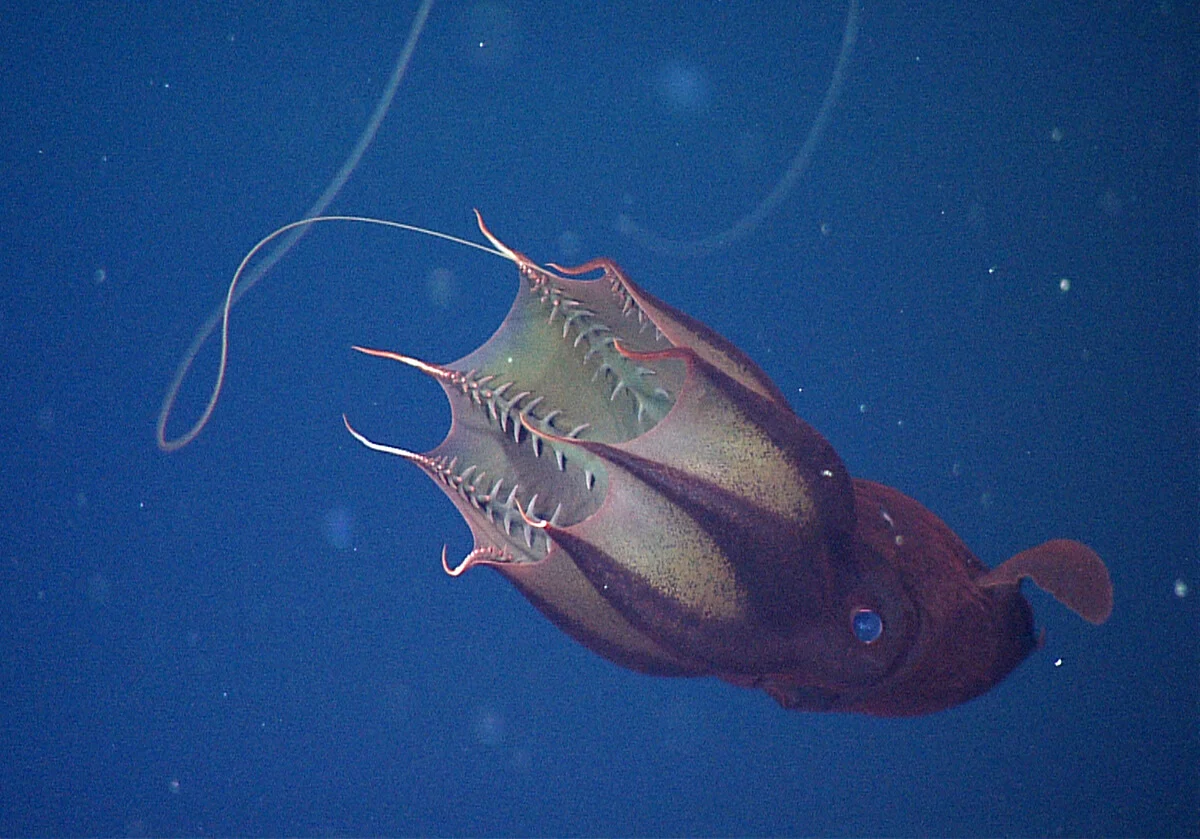
Despite its name, the vampire squid is neither a true squid nor an octopus.
It has webbed arms that form a cloak-like shape, giving it a haunting appearance. Instead of hunting aggressively, it feeds on organic debris drifting through the water.
According to the Smithsonian Institution, the vampire squid can survive in extremely low-oxygen environments where few other species can live.
Oarfish: The Real Sea Serpent
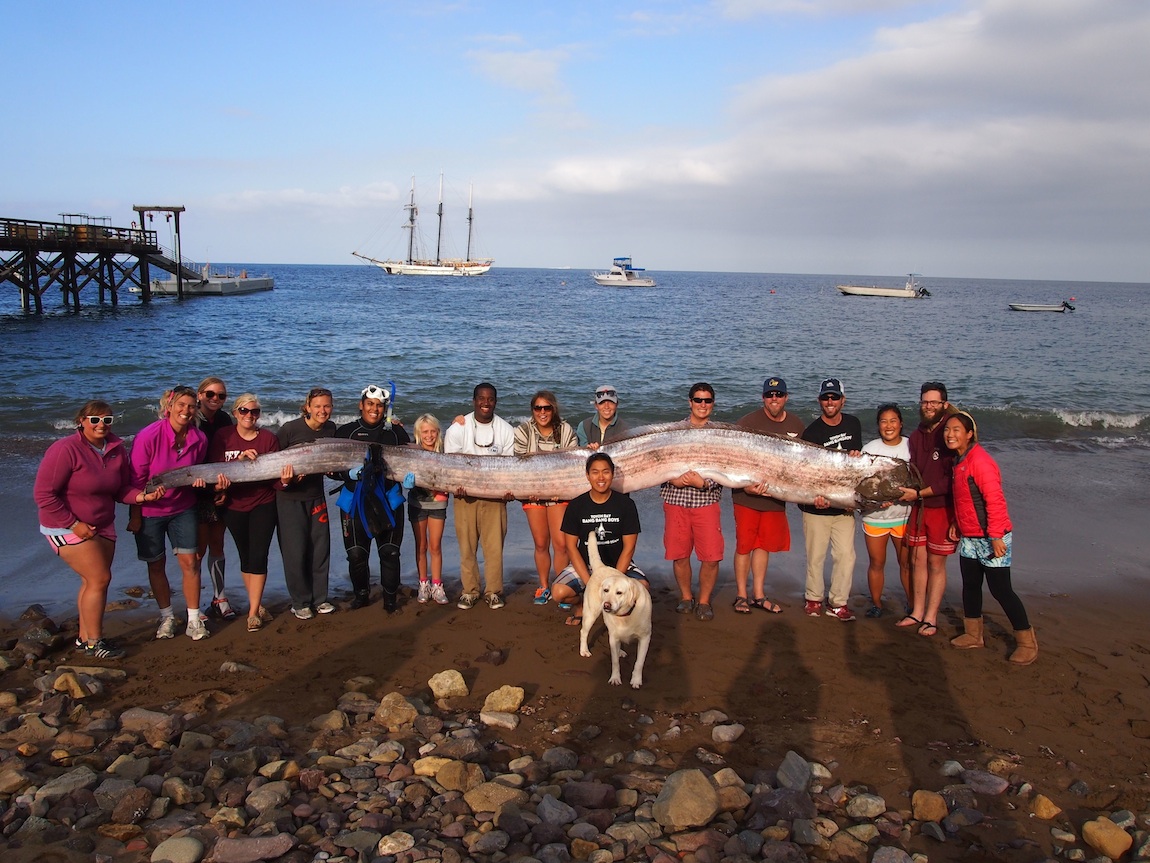
The oarfish is one of the longest fish in the ocean, with some individuals reaching lengths of over 30 feet.
Its long, ribbon-like body has likely inspired sea serpent legends for centuries. Because it lives at extreme depths, it is rarely seen alive.
According to the National Oceanic and Atmospheric Administration, oarfish sightings are uncommon, making each encounter significant for researchers.
A World We’re Just Beginning to Understand
These creatures may look strange—even alien—but they are perfectly adapted to their environment.
The deep ocean remains one of the least understood ecosystems on Earth, and each new discovery adds to our understanding of life in extreme conditions.
What’s most fascinating is that these seven animals are just a small sample of what’s out there.
Because as scientists continue to explore deeper waters, one thing becomes increasingly clear:
The ocean is far stranger—and far more mysterious—than we ever imagined.