
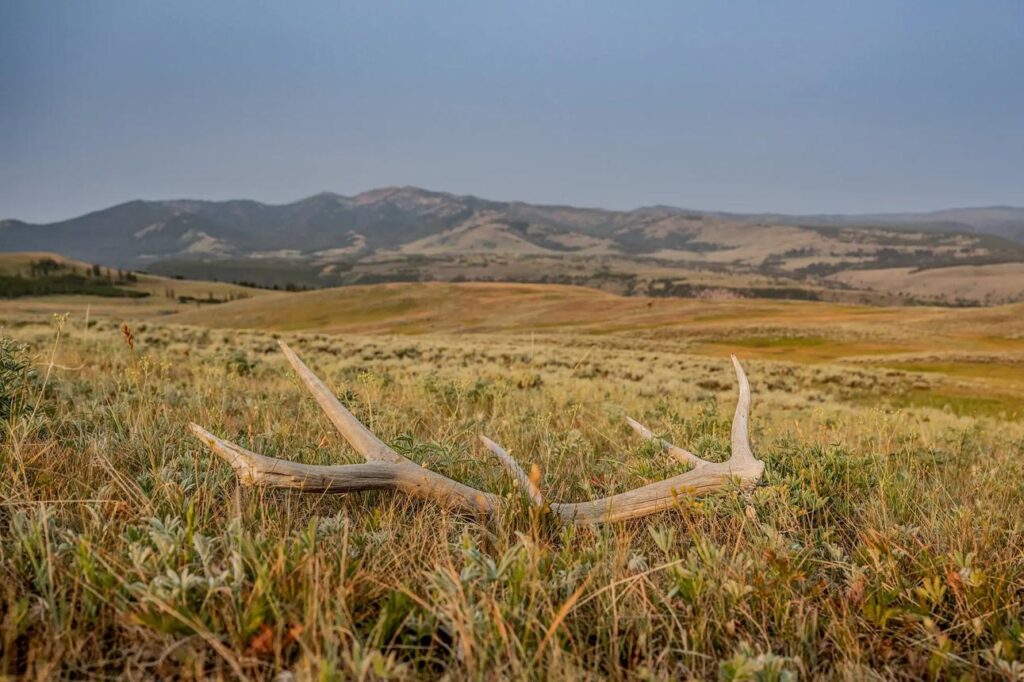
7-Year-Old Picks Up Elk Shed in Wyoming—Now His Father Could Lose Hunting Privileges

What started as a simple moment between a father and son during Wyoming shed season has exploded into one of the most debated wildlife enforcement stories in the country.
According to reports circulating among hunting outlets and western hunting communities, a 7-year-old boy picked up an elk antler shed while riding near what the family believed was public land. Now, the child’s father is facing trespassing charges—and potentially the loss of hunting privileges.
The controversy has sparked a heated debate over property boundaries, enforcement tactics, and how far wildlife agencies should go to combat trespassing during shed season.
GPS-Tracked Sheds Planted on Problem Property
According to reports tied to the investigation, the Wyoming Game and Fish Department allegedly worked with a private ranch dealing with ongoing trespassing problems during antler season.
Wardens reportedly placed elk sheds equipped with hidden GPS tracking devices on the property.
The idea was simple:
- Catch trespassers entering private land during shed season
- Track the movement of the antlers
- Use GPS data to identify suspects
Shed hunting has become increasingly competitive across the West, especially in areas known for producing large elk antlers. Some private ranches and wintering grounds have experienced serious problems with trespassing and pressure from people searching for valuable sheds.
The Family Says It Was an Honest Mistake
According to the father, the situation unfolded while he and his son were traveling near a road close to what they believed was public ground.
The boy reportedly spotted an elk antler near the roadside and picked it up.
The father later claimed they believed they were either on public land or extremely close to it, and that the property boundaries in the area were not clearly marked.
That detail has become central to the controversy.
GPS Device Leads Wardens to Family Home
According to reports surrounding the case, wardens later tracked the antler—using the concealed GPS device—directly to the family’s residence.
The father was subsequently cited for trespassing.
Now, what may have seemed like a minor incident has become a potentially major legal issue, particularly because wildlife-related trespassing violations in western states can sometimes impact hunting privileges.
Why Shed Hunting Has Become Such a Big Deal
To many people outside the hunting world, the idea of conflict over antlers lying on the ground sounds strange.
But shed hunting has exploded in popularity over the last decade.
Large elk sheds can sell for significant money, and many public and private wintering areas now experience intense pressure every spring.
According to the Wyoming Game and Fish Department, shed hunting regulations and closures exist largely to protect winter-stressed wildlife and reduce illegal activity during vulnerable periods.
Trespassing complaints tied to shed hunters have also increased in many western states.
Hunters Split Over the Enforcement Tactics
The case has sharply divided the hunting community.
Some hunters support the use of GPS-tracked sheds, arguing that chronic trespassing problems have forced landowners and game agencies to become more aggressive.
Others believe the situation crosses a line.
Critics argue that:
- Placing bait-style tracked sheds near confusing property boundaries creates opportunities for accidental violations
- Poorly marked land can make honest mistakes possible
- The punishment may outweigh the intent of the incident
Many hunters point out that western property lines can become extremely difficult to identify on the ground, especially near checkerboard public-private land patterns.
The Bigger Debate: Enforcement vs. Entrapment
The case has now sparked broader discussion about where enforcement ends and entrapment begins.
Supporters of the operation argue:
- The sheds were placed on private property
- Trespassing is still trespassing
- Hunters are responsible for knowing boundaries
Critics counter that:
- GPS bait tactics create gray areas
- Boundary confusion is common in the West
- Intent should matter when evaluating violations
That debate has spread far beyond Wyoming.
Technology Is Changing Wildlife Enforcement
This case also highlights how modern technology is changing conservation enforcement.
Today, wildlife agencies increasingly use:
- GPS tracking
- Trail cameras
- Drones
- Digital mapping systems
…to investigate wildlife crimes and trespassing cases.
According to the Wyoming Game and Fish Department, protecting wildlife resources and private property rights remains a major enforcement priority.
But cases like this show how quickly public opinion can shift when enforcement methods feel controversial.
The Bottom Line
A 7-year-old picking up an elk shed has now turned into a national debate over trespassing, enforcement tactics, and hunting rights.
According to reports surrounding the case, Wyoming Game and Fish officers used GPS-equipped antlers to track an alleged trespassing incident back to a family’s home after the boy picked up the shed near disputed property boundaries.
For some hunters, it’s smart enforcement targeting a growing problem.
For others, it feels like government overreach near land boundaries where honest mistakes can happen.
Either way, the case has become a reminder of one thing:
In the modern West, even picking up a shed antler can come with serious consequences.