
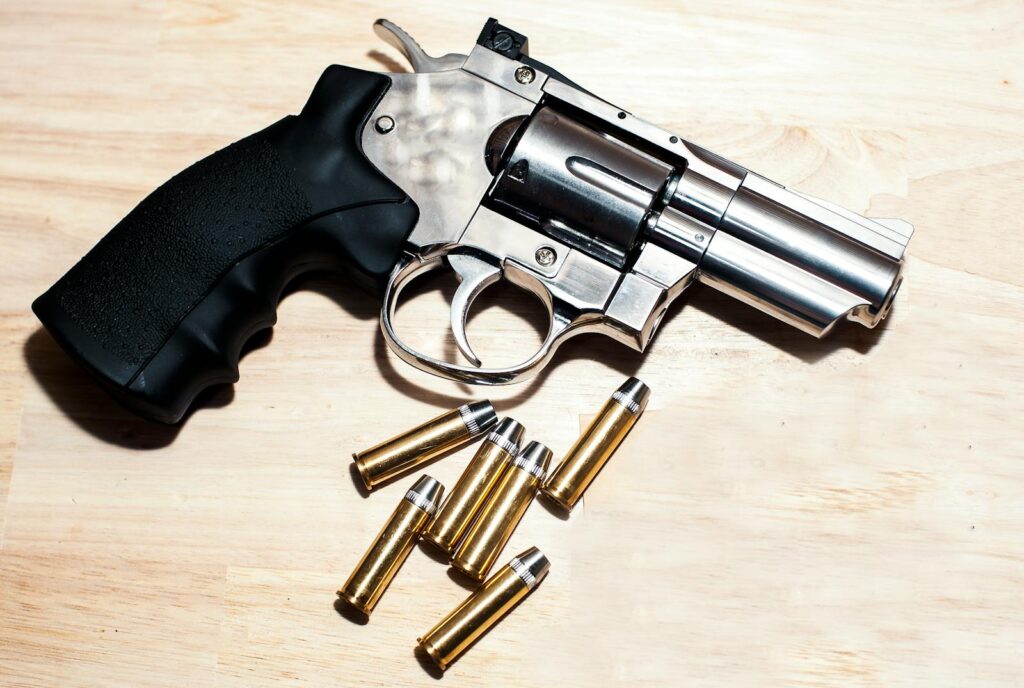
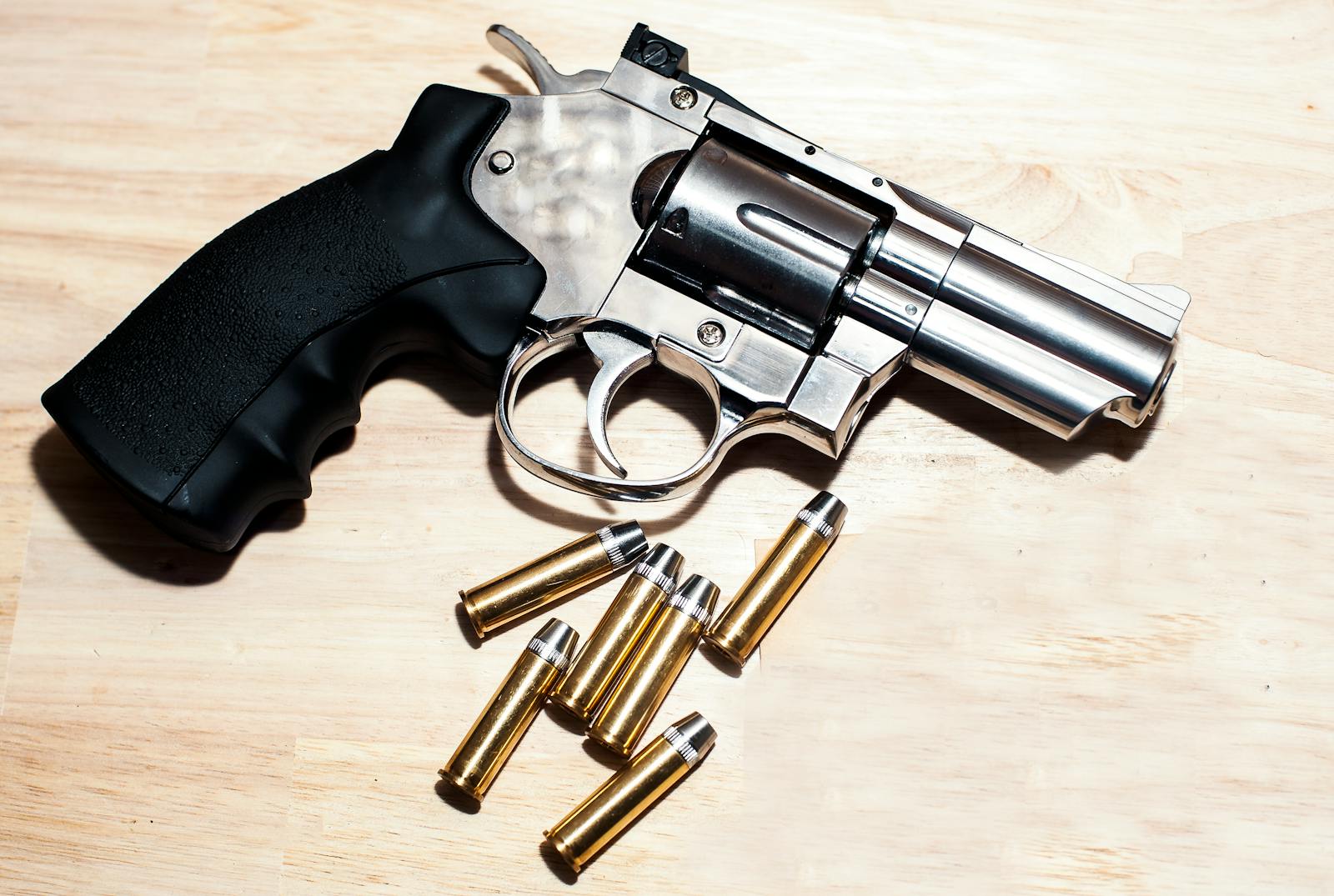
Hunting with a handgun demands accuracy, discipline, and the right equipment. You need a firearm that delivers enough power for ethical shots while staying controllable in real field conditions. Choosing poorly can limit your range, your confidence, and your success.
The five best handguns for hunting combine proven accuracy, adequate caliber options, durable construction, and real-world reliability across common game types. These handguns stand out because experienced hunters trust them for consistent performance, manageable recoil, and compatibility with optics and hunting accessories.
This guide walks you through what separates serious hunting handguns from casual sidearms, how different designs serve different game, and which models earn top consideration today. You also get clear insight into calibers, features, and safety practices that matter when every shot counts.
What Sets the Best Handguns for Hunting Apart
The best hunting handguns balance power, precision, and reliability. You need enough energy for ethical shots, consistent accuracy at realistic distances, and construction that holds up in harsh field use.
Power and Caliber Considerations
Power defines what game you can hunt and at what distance. When you hunt with a handgun, caliber choice matters more than brand or finish. You should match the cartridge to the animal’s size and the terrain you hunt.
Common hunting handguns chamber rounds such as .44 Magnum, 10mm Auto, .454 Casull, and .357 Magnum. Each offers a different mix of recoil, penetration, and effective range. Larger magnum calibers deliver deeper penetration for big game, while moderate calibers offer better control and faster follow-up shots.
| Game Type | Typical Calibers | Key Trade-Off |
|---|---|---|
| Medium game | 10mm Auto, .357 Mag | Control vs. range |
| Large game | .44 Mag, .454 Casull | Power vs. recoil |
You should also consider ammunition availability and bullet design. Controlled-expansion bullets improve terminal performance and reduce the risk of poor penetration.
Accuracy and Range
Accuracy separates casual shooting from serious handgun hunting. You must place shots precisely because handgun ranges stay shorter than rifle ranges. Most ethical shots fall inside 50–100 yards, depending on caliber and shooter skill.
Barrel length plays a direct role. Longer barrels increase velocity and sight radius, which helps you hold tighter groups. Many hunting handguns also support optics, and a red dot or scope can significantly improve shot placement in low light.
Trigger quality matters as much as sights. A clean, predictable trigger helps you break shots without disturbing alignment. You should practice from field positions, not benches, because hunting shots rarely happen from perfect rests.
Durability in Field Conditions
Hunting handguns must survive dirt, moisture, and temperature swings. Stainless steel frames and cylinders resist corrosion and reduce maintenance demands during long hunts. Protective finishes on carbon steel also perform well if you maintain them.
Revolvers often excel in harsh conditions because they tolerate debris and varied ammunition. Semi-autos offer lighter weight and faster reloads but demand proper lubrication and magazine care.
You should also evaluate grip design and recoil management. Textured grips and recoil-reducing features help you maintain control with gloves or wet hands. A durable handgun keeps functioning when conditions turn against you.
Types of Hunting Handguns
Hunting handguns fall into three practical categories based on action type and intended use. Each option balances power, accuracy, follow-up speed, and carry comfort in different ways, which affects how you hunt and what game you pursue.
Revolvers for Hunting
Hunting revolvers remain the most common choice because they handle powerful cartridges with consistent reliability. You typically see them chambered in rounds like .44 Magnum, .454 Casull, and 10mm Auto, which deliver adequate penetration for medium and large game.
You can choose between single-action revolvers and double-action revolvers. Single-action models offer lighter, cleaner trigger pulls that favor deliberate, precise shots. Double-action revolvers give you faster follow-up shots and more flexibility when shooting from awkward field positions.
Key advantages include:
- High mechanical reliability
- Ability to fire heavy loads
- Simple manual of arms
The tradeoff involves weight and recoil, especially with longer barrels and magnum calibers.
Single-Shot Pistols
Single-shot pistols prioritize accuracy over speed and reward disciplined shot placement. Platforms like break-action and bolt-action pistols support rifle-derived cartridges, including .223 Remington, 7mm-08, and even .45-70 Government.
These pistols excel when you hunt from stable positions such as blinds or shooting sticks. The lack of a magazine or cylinder reduces moving parts and often improves inherent accuracy.
Practical considerations include:
- One round before reloading
- Longer barrels for higher velocity
- Optic-ready designs
You trade rapid follow-up shots for precision and caliber flexibility. This style suits hunters who treat each shot as a planned event rather than a quick opportunity.
Semi-Automatic Pistols
Semi-automatic pistols offer faster follow-up shots and lighter carry weight compared to most revolvers. Popular hunting chamberings include 10mm Auto and .357 SIG, which provide sufficient energy for deer-sized game at moderate ranges.
You benefit from higher capacity magazines and quicker reloads, especially when hunting hogs or predators. Trigger pulls remain consistent from shot to shot, which helps maintain accuracy under pressure.
Important limitations to consider:
- Less tolerance for very heavy loads
- Greater sensitivity to ammunition selection
- Generally shorter effective range
These pistols work best when you value mobility, faster engagement, and manageable recoil over maximum power.
Top Features to Look for in a Hunting Handgun
A capable hunting handgun balances accuracy, recoil control, and safe operation in field conditions. Optics support, barrel design, and trigger performance directly affect your ability to place ethical shots from realistic hunting positions.
Optics and Mounting Options
You gain a clear advantage when your handgun supports modern optics. Many hunting revolvers and pistols now ship with integrated scope bases or Picatinny rails, which allow secure mounting of red dots or handgun scopes.
A solid mounting system matters more than optic type. Heavy-recoiling calibers will loosen weak mounts, so you should look for factory-drilled frames or reinforced top straps.
Optics also pair well with shooting sticks. When you rest the handgun on sticks, a red dot or low-power scope helps you maintain a steady sight picture without excessive wobble.
Key points to check:
- Factory optic-ready design
- Proven mounting hardware rated for magnum recoil
- Compatibility with common handgun scopes and red dots
Barrel Length and Muzzle Brake
Barrel length directly affects velocity, sight radius, and practical range. For most hunting applications, 6 to 10 inches offers a workable balance between power and portability.
Longer barrels produce higher muzzle velocity, which improves bullet performance on game. They also add forward weight, which helps steady the handgun when shooting offhand or from shooting sticks.
A muzzle brake or compensator plays a major role with high-powered cartridges. It redirects gas to reduce muzzle rise and felt recoil, allowing faster follow-up shots and better control.
You should weigh the trade-offs carefully:
- Longer barrels improve stability but add bulk
- Muzzle brakes increase noise and blast
- Ported designs reduce recoil without added length
Trigger Quality and Safety
A clean, predictable trigger helps you fire without disturbing your sight alignment. For hunting, consistent pull weight and minimal creep matter more than an ultra-light trigger.
Single-action revolvers often shine here. You can manually cock the hammer for a lighter, more precise pull when preparing a deliberate shot.
Safety features must suit field use. Transfer bars, hammer blocks, and trigger safeties reduce the risk of accidental discharge while hiking or climbing.
What to prioritize:
- Smooth trigger break with repeatable feel
- Manageable pull weight for gloved hands
- Proven safety systems that do not complicate operation
5 Best Handguns for Hunting: Expert Picks
These handguns stand out for accuracy, power, and field reliability. Each option supports ethical shot placement and handles common North American game with appropriate calibers and configurations.
Ruger Super Redhawk
The Ruger Super Redhawk focuses on strength and control with heavy hunting loads. You get a reinforced frame, a triple-locking cylinder, and an extended barrel shank that adds rigidity.
It handles powerful cartridges such as .44 Mag, .454 Casull, and .480 Ruger, making it suitable for deer, elk, and large hogs. Recoil stays manageable due to the revolver’s weight and grip design.
Integral scope mounts come standard, which simplifies optic installation. Stainless steel construction resists corrosion during wet or cold hunts. If you want one of the best hunting handguns for magnum performance, this revolver delivers consistent results.
Key strengths
- Handles high-pressure cartridges
- Factory scope-ready frame
- Proven durability in harsh conditions
Taurus Raging Hunter
The Taurus Raging Hunter offers strong performance at a lower cost than many competitors. Its two-piece barrel system reduces weight while maintaining balance.
Factory porting and an integrated gas expansion chamber reduce muzzle rise. You feel the difference during follow-up shots, especially with .44 Mag or .357 Magnum loads.
The revolver includes a Picatinny rail, so you can mount a red dot or handgun scope without custom work. Rubber grips improve control during long range sessions.
For hunters who want a capable revolver without a premium price, the Raging Hunter covers the essentials and performs reliably in the field.
Smith & Wesson 460XVR
The Smith & Wesson 460XVR targets hunters who want maximum power and extended range. It chambers .460 S&W Magnum, while also accepting .454 Casull and .45 Colt.
This versatility lets you tailor recoil and performance to your hunt. The long barrel options improve velocity and sight radius, which helps with precision at longer distances.
A factory muzzle brake reduces recoil and keeps the revolver controllable. The X-frame design supports consistent accuracy with heavy bullets.
You choose this revolver when hunting large game or when longer shots demand exceptional energy and penetration.
Thompson Center G2 Contender
The Thompson Center G2 Contender gives you a single-shot platform built for accuracy. Interchangeable barrels let you switch calibers without buying a new handgun.
You can run cartridges ranging from small varmint rounds to big-game options. Many hunters pair it with rifle-based calibers for flatter trajectories.
The break-action design promotes consistent lockup and easy maintenance. With quality optics, the Contender performs more like a compact precision tool than a traditional handgun.
If flexibility matters more than follow-up shots, the G2 Contender provides control and adaptability that few handguns match.
Nosler Model 48 Independence Pistol
The Nosler Model 48 Independence is a premium bolt-action pistol designed for precision hunting. It uses centerfire rifle cartridges, which sets it apart from revolvers and semi-autos.
You benefit from a rigid action, match-grade barrel, and excellent trigger control. This design supports accurate shooting at distances beyond typical handgun ranges.
The pistol pairs well with magnified optics and stable shooting positions. It works best for deliberate shots rather than quick engagements.
If your priority is rifle-like accuracy in a compact hunting setup, the Nosler Model 48 offers a specialized and effective solution.
Runner-Up and Notable Hunting Handguns
These handguns earn attention for precision, strength, and proven field performance. Each suits a specific hunting style, caliber preference, or recoil tolerance, and each rewards careful shot placement over volume of fire.
Freedom Arms Model 83
The Freedom Arms Model 83 targets hunters who value precision above all else. You get a single-action revolver built to extremely tight tolerances, which translates into consistent accuracy at realistic handgun ranges.
This revolver commonly appears in .454 Casull, .475 Linebaugh, and .480 Ruger, all suitable for large game. Recoil feels sharp, but the heavy frame and excellent grip geometry keep it controllable if your fundamentals stay solid.
Freedom Arms limits capacity to five rounds to increase strength. That design choice favors safety and durability over speed.
Key traits
- Single-action only
- Exceptional cylinder-to-barrel alignment
- Built for high-pressure hunting cartridges
Magnum Research BFR
The Magnum Research BFR delivers raw strength in a traditional single-action format. You get a revolver designed to handle extreme cartridges without frame flex or timing issues.
Hunters often choose the BFR in .475 Linebaugh or .480 Ruger, especially when pursuing elk, bear, or large hogs. The long, heavy barrel improves velocity and steadies your sight picture from shooting sticks or a rest.
The grip frame manages recoil better than its size suggests. You trade portability for control, which makes sense for deliberate, stationary shots.
| Feature | Detail |
|---|---|
| Action | Single-action |
| Strength | Oversized steel frame |
| Best use | Large game at moderate range |
Colt Anaconda
The Colt Anaconda fits hunters who want power in a refined double-action revolver. Chambered in .44 Magnum, it handles deer, black bear, and hogs with proper bullet selection.
You benefit from a smooth trigger and a strong stainless-steel frame. The 6- and 8-inch barrel options give you flexibility for holster carry or stand hunting.
Recoil feels manageable due to the revolver’s weight. You also gain faster follow-up shots compared to single-action-only designs.
Why it matters
- Double-action capability
- Strong aftermarket support
- Practical balance of power and shootability
Dan Wesson Kodiak
The Dan Wesson Kodiak emphasizes durability and accuracy for hard field use. Built around a large stainless frame, it handles sustained magnum loads without loosening over time.
Most Kodiak revolvers chamber .44 Magnum, with the strength to safely fire heavy hunting loads. The barrel design and tight lockup help maintain consistent point of impact, even after extended range sessions.
You may notice the grip angle differs from classic revolvers like the Ruger Blackhawk. That difference often reduces perceived recoil during slow, controlled fire.
Best suited for
- Tree stand or blind hunting
- Hunters who value mechanical longevity
- High-penetration bullets in .44 Magnum
Best Calibers for Hunting Handguns
Choosing the right handgun caliber determines effective range, penetration, and recoil management. Your game size, typical shooting distance, and tolerance for recoil should guide the decision more than raw power alone.
Big-Bore Magnums
Big-bore magnums serve hunters who pursue large or tough game at close to moderate distances. .44 Magnum remains the benchmark, offering deep penetration, wide bullet selection, and manageable recoil in heavy revolvers.
Cartridges like .454 Casull and .480 Ruger deliver substantially more energy. You gain improved performance on elk, bear, and large hogs, but recoil and muzzle blast increase sharply. .475 Linebaugh pushes this even further, favoring experienced shooters who prioritize penetration over comfort.
Key traits to consider:
- Pros: Maximum penetration, reliable performance on large game
- Cons: Heavy recoil, slower follow-up shots, heavier handguns
Versatile Medium Calibers
Medium calibers balance power, recoil, and shootability. .357 Magnum excels for deer-sized game when you keep shots within realistic handgun ranges. It offers flat trajectories and lower recoil, which helps with accuracy and practice volume.
.45 Colt, when loaded for modern revolvers, bridges the gap between medium and big-bore performance. It delivers large-diameter bullets at moderate velocities, making it effective on deer and hogs without the punishment of extreme magnums.
Typical advantages include:
- Better control during extended range sessions
- Broad ammo availability and flexible load options
- Lighter revolvers compared to big-bore magnums
Rimfire and Specialty Rounds
Rimfire cartridges play a focused role in handgun hunting. .22 LR and .22 WMR suit small game and pest control, where precision matters more than power. These rounds allow quiet shooting, minimal recoil, and low cost, which encourages consistent practice.
Specialty rounds, including high-performance single-shot cartridges, expand handgun hunting into longer distances. You gain rifle-like accuracy from platforms designed for optics, but these setups demand careful shot placement and disciplined range limits.
Best uses include:
- Small game and varmints
- Training and skill refinement
- Specialized hunts where precision outweighs power
Accessories to Enhance Hunting Handgun Performance
The right accessories improve accuracy, stability, and carry comfort in the field. Optics help you place precise shots, support gear steadies the handgun, and proper carry systems keep the firearm accessible without interfering with movement.
Scopes and Red Dot Sights
Optics extend your effective range and improve shot placement, especially with powerful hunting calibers. Red dot sights work well for close to mid-range shots, offering fast target acquisition with both eyes open. They suit 10mm pistols and revolvers used inside 75 yards.
Handgun scopes fit longer-range hunting, typically 2x to 4x magnification. They pair well with .44 Magnum and larger revolvers where precision matters more than speed. Look for long eye relief, solid recoil ratings, and simple reticles.
Mounting matters. Use a rigid frame or barrel mount, and confirm zero after transport. A secure mount prevents shifts under recoil, which becomes critical when using high-energy cartridges or a muzzle brake that alters recoil impulse.
Shooting Sticks and Rests
Stability limits human error more than caliber choice. Shooting sticks provide fast, portable support when you need to take a standing or kneeling shot. They reduce wobble and help you manage recoil on heavier hunting handguns.
Tripod-style sticks offer the most stability for longer shots, while monopods trade support for speed. Adjustable height matters, since handgun shooting often happens from uneven terrain.
Natural rests also help. Use backpacks, logs, or tree limbs with a padded surface to protect the handgun and maintain consistent alignment. Combine support with proper grip pressure to avoid point-of-impact shifts, especially with revolvers and braked barrels.
Holsters and Carry Solutions
A hunting holster must balance access, retention, and comfort. Chest holsters keep the handgun centered and accessible while wearing packs or sitting. They work well for large-frame revolvers and scoped pistols.
Hip and cross-draw holsters suit lighter handguns and open terrain. Choose rigid materials that fully cover the trigger guard and resist collapse. Adjustable retention prevents movement during long hikes.
Consider weather and weight. Leather offers comfort but absorbs moisture, while Kydex resists rain and snow. Proper fit matters most; a poorly fitted holster slows access and increases fatigue over a full hunting day.
Tips for Safe and Effective Handgun Hunting
Handgun hunting demands disciplined shooting, strict attention to laws, and consistent care of your equipment. You improve results by training realistically, confirming legal compliance, and keeping your handgun reliable in field conditions.
Practice and Marksmanship
You need consistent, purpose-driven practice to hunt ethically with a handgun. Focus on accuracy at realistic distances, not benchrest groups or long-range shots beyond your limits.
Practice from field positions you will actually use, such as kneeling, seated, or supported against a tree. Use hunting ammunition during some sessions to understand recoil, point of impact, and follow-up shot control.
Key practice priorities include:
- Cold-bore accuracy, since most shots occur without warm-up
- Trigger control under recoil, especially with magnum calibers
- Shot placement on vital zones for your target species
Limit your effective range to distances where you can keep every shot inside a vital area. Passing marginal shots reflects skill, not hesitation.
Understanding Legal Requirements
You must verify handgun hunting regulations before every season. Laws vary widely by state and sometimes by game species, weapon type, or land classification.
Common legal factors to confirm include:
- Minimum caliber or energy requirements
- Barrel length restrictions for pistols or revolvers
- Optics rules, such as red dots versus magnified scopes
- Magazine capacity or single-shot limitations
Some states allow hunting with a handgun but prohibit certain cartridges or semi-automatic actions. Others restrict handgun hunting to specific seasons or zones.
Carry written proof of permits and know transport rules for loaded handguns in the field. Legal compliance protects your hunt and avoids costly penalties.
Field Maintenance and Care
Hunting with a handgun exposes your equipment to dirt, moisture, and temperature swings. You prevent malfunctions by maintaining your handgun throughout the hunt, not just before it.
Wipe down exposed metal daily to prevent corrosion, especially with stainless revolvers and optic mounts. Check screws on optics, grips, and rails, since recoil can loosen them quickly.
Field care essentials include:
- A compact cleaning cloth or bore snake
- Light lubricant rated for cold or wet conditions
- Spare ammunition stored in a sealed carrier
Inspect your handgun after any fall or hard impact. A small issue in the field can become a critical failure during a shot opportunity.