
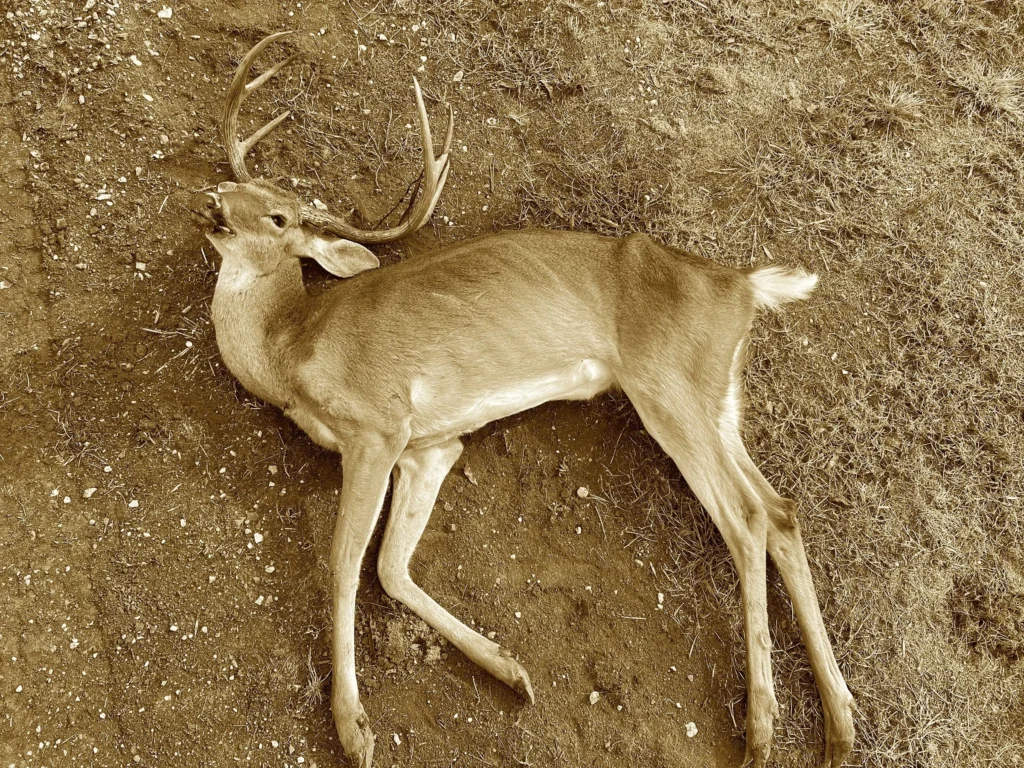
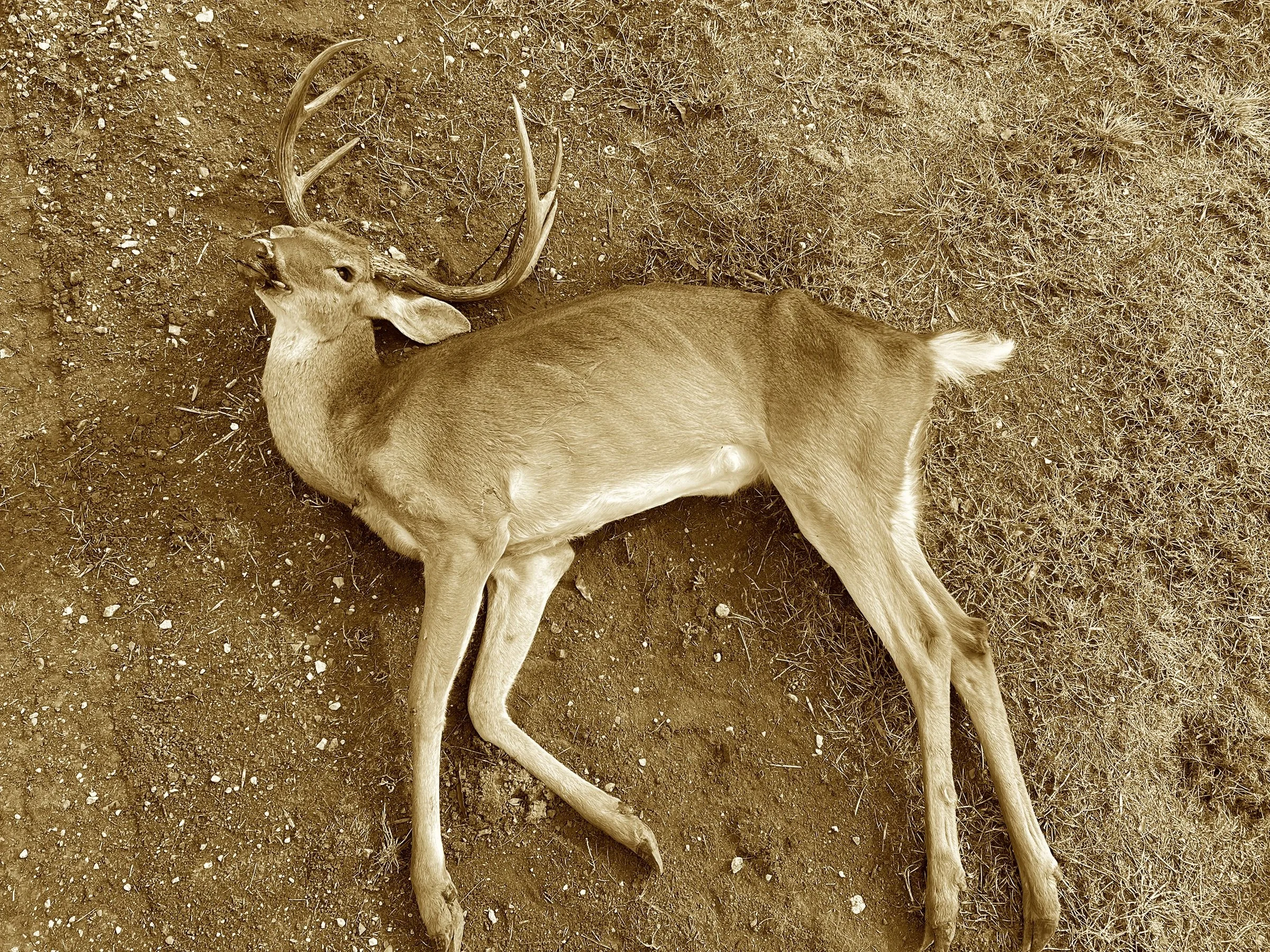
 You need to know what changed and why it matters: two white-tailed deer at a Tom Green County breeding facility tested positive for chronic wasting disease (CWD), marking the county’s first confirmed cases and tying the site to the wider “Ghost Deer” smuggling investigation. This discovery raises immediate concerns about disease spread, regulatory failures, and how officials will contain the threat to captive and free-ranging deer across Texas.
Expect the article to map the facts, explain how the facility links to the Ghost Deer network, and outline the regulatory breaches and potential legal consequences that increased CWD risk. You’ll also get clear context on what CWD means for Texas wildlife management and how state and federal labs confirmed the results.
If you want to understand the investigative timeline, the specific violations uncovered, and the likely steps wildlife agencies will take next, keep going through the sections that follow.
CWD Discovery at Tom Green County Facility
Two white-tailed deer at a Tom Green County breeding facility tested positive for chronic wasting disease. Texas Parks & Wildlife removed the herd for testing after investigators linked the facility to an ongoing “Ghost Deer” smuggling probe.
Timeline of CWD Detection
You should know the detection followed an active enforcement investigation tied to deer breeding violations. Game wardens inspected the Tom Green County facility after records and transfers associated with the “Ghost Deer” case raised red flags. Officials removed all deer at the facility and collected samples from each animal to ensure thorough coverage.
Samples first went to the Texas A&M Veterinary Medical Diagnostic Laboratory for initial screening. When two samples were flagged as suspect positives, officials forwarded them to the National Veterinary Services Laboratories for definitive confirmation. The sequence — inspection, herd removal, state lab screening, federal confirmation — reflects standard CWD response protocols.
First Cases in the County
These two confirmed CWD cases represent the first detections in Tom Green County. You should treat this as a new geographic occurrence that expands the known presence of CWD in Texas. The affected animals were captive white-tailed deer from a breeder tied to the Ghost Deer investigation, which involved unlawful transfers and testing violations.
Because recordkeeping at the facility was poor and investigators found intentional testing and movement violations, Texas officials warned they cannot be certain how many exposed deer moved to other ranches. You should expect follow-up tracing and notifications to other facilities that received animals or had transfers linked to the breeder.
Confirmation Process
You can rely on a multi-step laboratory confirmation to verify CWD. Tissue samples undergo initial testing at a state diagnostic lab; in this case, the Texas A&M Veterinary Medical Diagnostic Laboratory conducted the antemortem and postmortem screening. When results appear positive or suspicious, protocol requires submission of samples to the National Veterinary Services Laboratories for final confirmation.
This two-lab pathway reduces false positives and ensures the diagnosis meets federal standards. You should note that confirmed CWD findings trigger mandatory reporting, quarantine measures, and expanded testing of contacts and movement records in the Texas Wildlife Information Management Services database.
Connection to the Ghost Deer Investigation
This facility’s confirmed CWD cases tie directly to a coordinated deer-smuggling operation and documented breeding violations. You will find details on how animals moved, who investigators focus on, why the link matters for disease control, and how the problem reached beyond one county.
Overview of the Smuggling Network
Investigators built a case after a Montgomery County traffic stop uncovered irregular paperwork and undocumented deer movements. You learn that the network moved breeder and free‑range white‑tailed deer between facilities and ranches without required permits, bypassing antemortem CWD testing and individual identification protocols. Those gaps increased the risk that infected animals traveled undetected.
Texas Game Wardens traced transfers through inconsistent records and intercepted shipments. The pattern shows repeated, coordinated transfers rather than isolated mistakes, indicating an organized smuggling network operating across multiple properties.
Key Individuals Involved
Ken Schlaudt, a 64‑year‑old breeder from San Antonio, owns the Tom Green County facility where two white‑tailed deer tested positive for CWD. Prosecutors linked his site to the broader operation through movement irregularities and alleged falsified records. You should note that law enforcement named multiple suspects in the broader probe; the investigation produced charges against 24 people across 11 counties.
Bill Bowers and other individuals identified in court filings appear in charging documents tied to smuggling logistics and documentation tampering. Texas Game Wardens focused on those handling transfers and sedation drugs, since possession and misuse of controlled substances figured in the investigation alongside disease‑monitoring violations.
Significance of the Link
Linking CWD-positive deer to the Ghost Deer network changes the case from a localized health incident to an example of systemic regulatory circumvention. You understand that when breeders transfer animals without proper testing or TWIMS entries, surveillance breaks down and containment strategies fail. Confirmed CWD in a facility connected to the smuggling network shows how illegal movements can seed disease in new regions.
Legally, the connection supports charges like tampering with governmental records and violation of disease monitoring protocols. For wildlife managers, the link justifies broader tracebacks and more aggressive testing of animals moved through the network.
Wider Impact Across Texas
The investigation spans 11 counties and produced about 1,400 charges, indicating the network’s geographic scope. You must consider that negligent recordkeeping from one facility can ripple statewide by obscuring where exposed deer were sent. That uncertainty forces managers to expand surveillance zones and potentially depopulate linked herds to prevent CWD spread.
Texas Game Wardens have already removed deer from implicated facilities and submitted samples to state and federal labs. Their actions aim to restore traceability and reduce the chance that breeding violations and smuggling will amplify CWD transmission across ranches and captive operations.
Relevant reporting and official releases document the case and ongoing enforcement actions; review them for specific legal filings and updated movement tracebacks.
Regulatory Violations and Legal Ramifications
The facility’s actions created multiple legal exposures for the owner and increased risk to deer populations across Texas. Key problems include intentional testing failures, falsified movement records, and licensing breaches that prompted state and federal confirmations and broad enforcement action.
CWD Testing and Disease Monitoring Failures
You should know that antemortem and postmortem testing requirements exist to prevent disease spread when deer move between facilities. At this Tom Green County facility, samples from two white-tailed deer tested positive after initial testing irregularities, indicating breaches of required disease monitoring protocols and CWD testing procedures.
Those failures meant animals may have been moved without proper testing, increasing the chance CWD reached other ranches. The Texas A&M Veterinary Medical Diagnostic Laboratory found suspect positives and the National Veterinary Services Laboratories later confirmed them, highlighting the testing chain used for verification.
TPWD investigators identified deliberate circumvention of testing rules tied to the broader “Ghost Deer” investigation, which uncovered widespread coordinated violations. You face higher legal exposure when testing protocols are ignored because regulators treat intentional breaches differently than isolated mistakes.
Felony Tampering and License Violations
Investigators flagged felony tampering with governmental records connected to the facility’s handling of testing and movement documentation. You should expect prosecutors to weigh tampering charges more heavily when record alterations mask disease risks. Those charges may accompany other criminal counts uncovered during the “Ghost Deer” probe, which involved many suspects and roughly 1,400 charges across multiple counties.
License violations compound the legal picture. Operating without required permits or violating transfer-permit conditions can lead to administrative penalties from the Texas Parks & Wildlife Department and criminal referrals handled by TPWD Law Enforcement. When you alter or omit information deliberately to bypass licensing rules, regulators can seek license revocation, fines, and criminal prosecution.
Recordkeeping and Movement Records Issues
Accurate, individually linked movement and testing records in the Texas Wildlife Information Management Services (TWIMS) database are legally required for captive deer transfers. At this facility, negligent and intentional recordkeeping prevented authorities from knowing how many potentially exposed deer moved offsite. That gap undermines traceability and complicates containment.
You rely on TWIMS entries to show compliance with disease monitoring protocols. Missing or falsified movement and testing records trigger investigations into who received animals, when transfers occurred, and whether proper antemortem testing took place. TPWD removed all deer from the facility and submitted them for testing because the record failures increased risk to other properties and hindered standard disease control responses.
Impact on Texas Deer and Wildlife
This detection directly affects both captive and free-ranging deer, local hunting economics, and state monitoring efforts. You should expect tighter movement controls, expanded testing, and closer scrutiny of breeding facilities tied to the “Ghost Deer” investigation.
Effects on Captive and Free-Ranging Deer
A confirmed CWD positive at a breeder facility increases risk to the entire deer network you depend on. Captive-raised deer at the facility were removed and tested; failures in recordkeeping and testing mean you cannot trace all movements of captive breeder deer linked to that operation. That gap raises the chance that free-range white-tailed deer were exposed through intentional or illegal transfers between ranches.
You should know that captive facilities often move deer for breeding and sale. When individual identification and TWIMS records are missing or falsified, containment and targeted testing become much harder. Expect more mandatory antemortem testing, stricter ID requirements, and possible quarantine or depopulation actions at facilities with similar violations.
Threat to Southern Texas Hunting and Economy
CWD confirmation can lower hunter confidence and affect your local hunting revenue. Southern Texas outfitters, landowners, and related businesses rely on healthy free-ranging deer populations and captive breeder programs for trophy sales and lease values. News of CWD-positive deer can reduce hunting license purchases, guided-hunt bookings, and the market for captive-raised deer.
You should anticipate economic ripple effects: decreased demand for breeder animals, restrictions on interstate or intrastate deer transfers, and potential costs for quarantine or mandatory testing. Texas Parks and Wildlife Department enforcement actions tied to the “Ghost Deer” investigation may also prompt stricter compliance costs for breeders and ranches to remain in business.
Potential Spread and Ongoing Monitoring
CWD spreads via direct contact and environmental contamination; you should take any confirmed case seriously. Because samples were confirmed by state and federal labs, and because the facility had testing and movement violations, trackers must determine where exposed deer were moved and which ranches might need testing or surveillance.
You will see expanded surveillance: targeted sampling of free-ranging deer near affected ranches, increased testing at captive facilities, and enhanced reporting in the Texas Wildlife Information Management Services database. The Texas Parks and Wildlife Department will likely coordinate lab confirmations and follow chain-of-custody protocols for suspect cases. If you manage land or raise breeder deer, prepare for inspections, movement permits, and potentially stricter penalties for noncompliance.
Chronic Wasting Disease in Texas: Facts and Response
CWD is a fatal prion disease that affects cervids and requires testing, monitoring, and containment to limit spread. You need clear, actionable information on symptoms, Texas’ detection history, and the testing and containment steps authorities use.
CWD Overview and Symptoms
CWD (chronic wasting disease) is caused by misfolded prion proteins that damage the brain and nervous system of deer, elk, and other cervids. You should watch for progressive weight loss, repetitive behaviors, drooling, stumbling, and lowered head carriage; symptoms often appear months to years after infection.
Infected animals can shed prions in saliva, urine, and feces before symptoms appear, which makes early visual detection unreliable. Diagnostic confirmation requires laboratory testing of brainstem or lymph node tissue; live-animal tests exist but are less widely used. You should avoid consuming meat from animals that test positive and report suspicious animals to wildlife authorities.
CWD History in Texas
Texas first confirmed CWD in wild deer populations in 2012, and detections have since occurred in both wild and captive herds. The state’s case history includes clustered outbreaks and periodic positive tests from hunter-harvested deer, which prompted expanded monitoring and regulatory changes.
Recent investigations, including the “Ghost Deer” probe, linked breeding facilities to CWD cases and alleged violations that complicated containment. You should recognize that captive-breeding operations can amplify risk through animal movements and testing noncompliance; regulators have responded with targeted testing and facility-specific actions to limit transmission.
Testing and Containment Protocols
Texas Parks and Wildlife Department (TPWD) and partnered labs use immunohistochemistry and ELISA on obex or medial retropharyngeal lymph node samples for confirmatory CWD testing. When a positive case appears, authorities enact tracebacks, quarantine orders for affected facilities, and mandated testing of exposed herds. You should know that results can take days to weeks depending on lab capacity.
Containment steps include movement restrictions, herd depopulation in some captive cases, intensified surveillance in surrounding counties, and public advisories for hunters. Wildlife managers also apply disease monitoring protocols—targeted sampling of hunter-harvested deer, roadkill testing, and environmental risk assessments—to map spread. For guidance and reporting, contact TPWD or review their official notices, such as the announcement about the Tom Green County facility linked to the “Ghost Deer” investigation.