
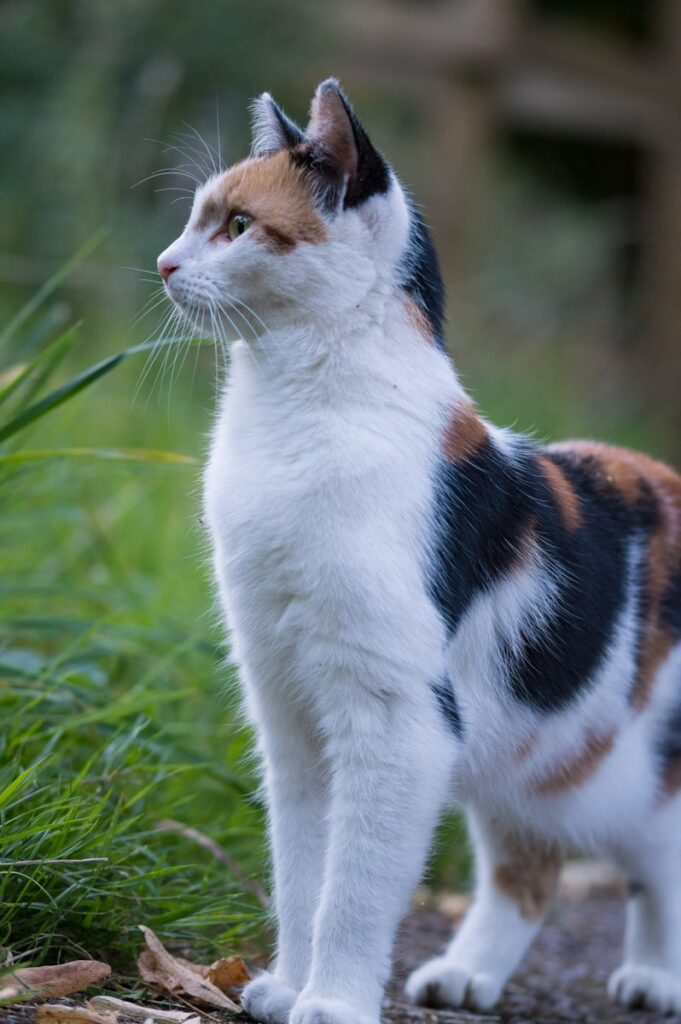
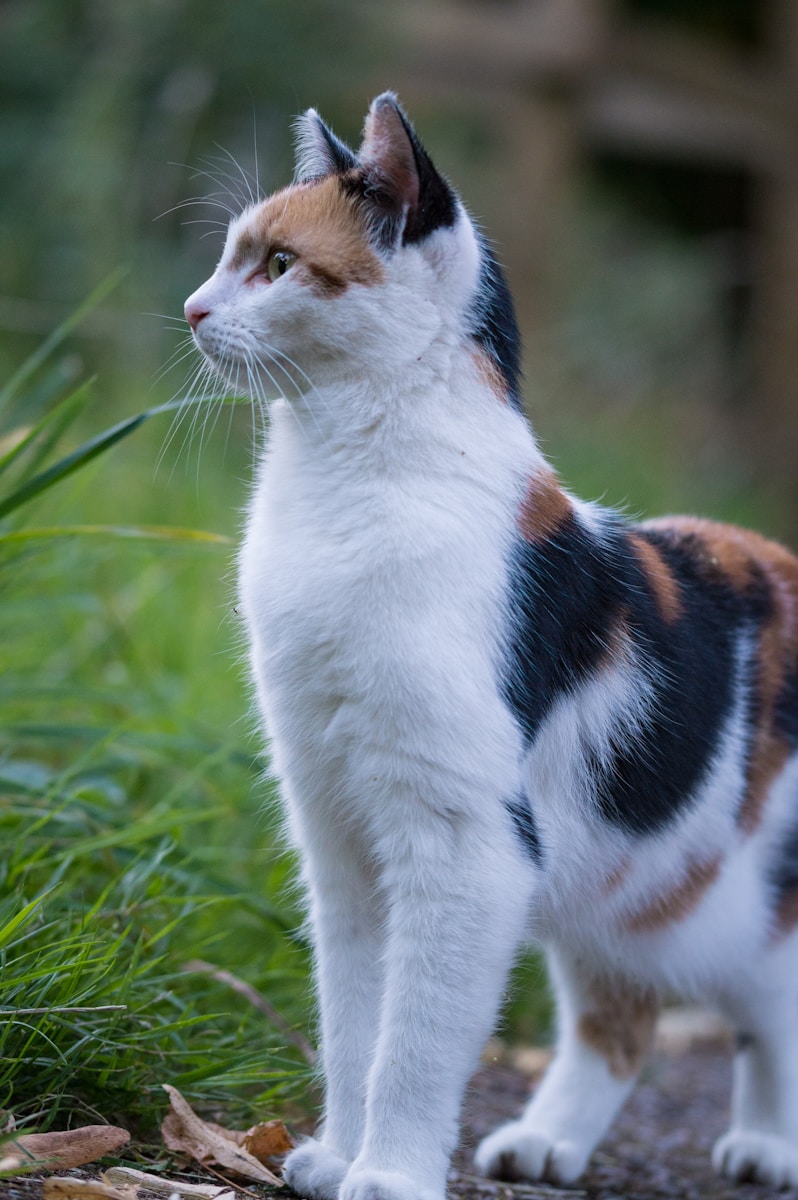
You see cats in alleys, on farms, and along shorelines, and you may wonder whether they count as a feral species. Yes—when domestic cats live and reproduce without human ownership or socialization, you classify them as a feral form of an introduced species in many regions. That distinction shapes how scientists, communities, and policymakers respond to them.
To understand the issue, you need clear definitions. You will see terms like feral, stray, free‑roaming, and community cat used in different ways, and those differences affect how people approach care, control, and responsibility.
You also need to weigh the real‑world impacts. Feral cats influence local wildlife, raise public health concerns, and drive debate over management strategies such as removal, sterilization, and colony oversight. When you look at the evidence behind these impacts, you can better judge where cats fit in the broader discussion about invasive and feral species.
Defining Feral Cats and Related Terms
You need clear definitions to understand how feral cats differ from other outdoor cats. Terms like stray, community cat, and barn cat describe different levels of socialization, human contact, and dependence.
What Are Feral Cats?
A feral cat is an unowned domestic cat (Felis catus) that avoids human contact and does not allow handling. You typically cannot approach or touch a feral cat without trapping it.
Many experts describe feral cats as unapproachable in their free-roaming environment and capable of surviving with or without direct human support. A proposed field definition outlines these traits in detail in this research on variation in feral cat definitions.
Feral cats often form colonies near food sources. They may be fed by people, but they remain unsocialized.
Key traits you will notice:
- Avoidance of human interaction
- Fearful or defensive behavior when cornered
- Survival through hunting, scavenging, or managed feeding
- Reproduction without human oversight
They are not a separate species. They are domestic cats living in a wild state.
Stray Cats vs. Feral Cats
You should not use stray cat and feral cat interchangeably. A stray cat once had human contact but lost its home through abandonment or becoming lost.
Stray cats may approach you, vocalize, or seek attention. Many can be re-socialized and adopted.
Feral cats, by contrast, usually lack early socialization to humans. As explained in this overview of what is a feral cat, feral cats are unsocialized and not accustomed to human handling.
Use this comparison:
| Trait | Stray Cat | Feral Cat |
|---|---|---|
| Prior human contact | Yes | Little or none |
| Approach humans | Often | Rarely |
| Adoption potential | Usually high | Limited in adults |
| Behavior when trapped | Stressed but manageable | Defensive, may hiss or strike |
If you can safely handle the cat, it is likely a stray rather than a true feral.
Community Cats, Barn Cats, and Farm Cats
A community cat is any unowned outdoor cat, including feral and stray cats, that lives in a specific area. You may see the term used in trap–neuter–return (TNR) programs.
These cats can be fully feral, semi-social, or friendly. Organizations describe this range in guides explaining outdoor cats including feral and community cats.
Barn cats and farm cats live on agricultural properties. People often keep them for rodent control.
You will notice these distinctions:
- Barn cats may tolerate limited human contact.
- Farm cats often receive food and shelter but remain independent.
- Some began as feral cats and were relocated through working-cat programs.
These labels describe living arrangements more than behavior.
Types of Feral and Free-Roaming Cats
You may encounter several categories within free-roaming cats or free-ranging domestic cats. These terms describe owned or unowned cats that spend significant time outdoors.
Common classifications include:
- True feral cats – unsocialized, avoid people entirely
- Semi-feral cats – limited tolerance of familiar caretakers
- Stray cats – previously owned and socialized
- Owned outdoor cats – pets allowed to roam
According to general classifications outlined in the Feral cat overview, a feral cat is an unowned domestic cat that lives outdoors and avoids human contact.
You should focus on behavior and socialization rather than location alone. Not all outdoor cats are feral, and not all feral cats are completely isolated from human-managed environments.
Ecological, Health, and Management Impacts of Feral Cats
Feral cats affect wildlife, public health, and local policy in measurable ways. You need to understand population scale, ecological damage, disease transmission, and the limits of current management tools before forming an opinion.
Feral Cat Populations and Colonies
The global feral cat population numbers in the hundreds of millions, with estimates of 600 million cats worldwide and 148–188 million in the United States noted in research on the ecological impacts of feral cats. Many live in loosely organized feral cat colonies, especially in cities.
Urban feral cats cluster around food sources such as dumpsters, residential feeding stations, and industrial sites. When you support feeding feral cats without sterilization, you often increase survival rates and colony stability.
A single female can produce multiple litters each year. Without intervention, local feral cat populations grow quickly and remain dense in favorable habitats.
Ecological Effects and Conservation Concerns
Domestic cats function as a non-native predator in most environments. Wildlife biologists classify free-ranging cats among the world’s worst invasive alien species, reflecting their global ecological impact.
They prey on birds, small mammals, reptiles, and amphibians. Even in urban areas, urban feral cats kill native songbirds and ground-nesting species.
Conservation groups report that cats have contributed to the extinction of 33 species and cause severe ecological disruption in North America, as detailed in Feral Cats: Consequences for Humans and Wildlife. In conservation biology, this predation pressure alters population dynamics and reduces biodiversity.
Unlike a native apex predator, feral cats operate outside balanced food webs. Native prey species often lack evolved defenses against this introduced hunter.
Disease Risks and Public Health Implications
Feral cats carry pathogens that affect both animals and people. You face the highest risk through bites, scratches, or contact with contaminated soil.
Key zoonotic and feline diseases include:
- Rabies
- Toxoplasmosis caused by Toxoplasma gondii
- Bartonellosis (cat scratch disease)
- Feline leukemia virus (FeLV)
- Feline immunodeficiency virus (FIV)
Toxoplasma gondii spreads through oocysts in cat feces. Pregnant women and immunocompromised individuals face higher risk from exposure.
FeLV and FIV circulate within colonies, reducing cat health and lifespan. Parasites such as fleas and intestinal worms also move between feral and owned cats.
Feral Cat Management and TNR Programs
Communities use several strategies to control feral cat populations. The most common approach is trap-neuter-return (TNR).
In a typical TNR program, volunteers focus on trapping feral cats, sterilizing and vaccinating them, then returning them to their original territory. Workers often mark sterilized cats through ear tipping for identification.
Supporters, including many animal rescue and cat rescue groups and organizations such as PETA, argue that TNR reduces reproduction and stabilizes colonies over time. Critics point out that sterilized cats still hunt wildlife and require long-term feeding and monitoring.
Other management options include targeted removal, adoption of socialized strays, and, in limited cases, euthanasia. Effective control usually requires coordinated policy, public education, and consistent funding rather than isolated efforts.