
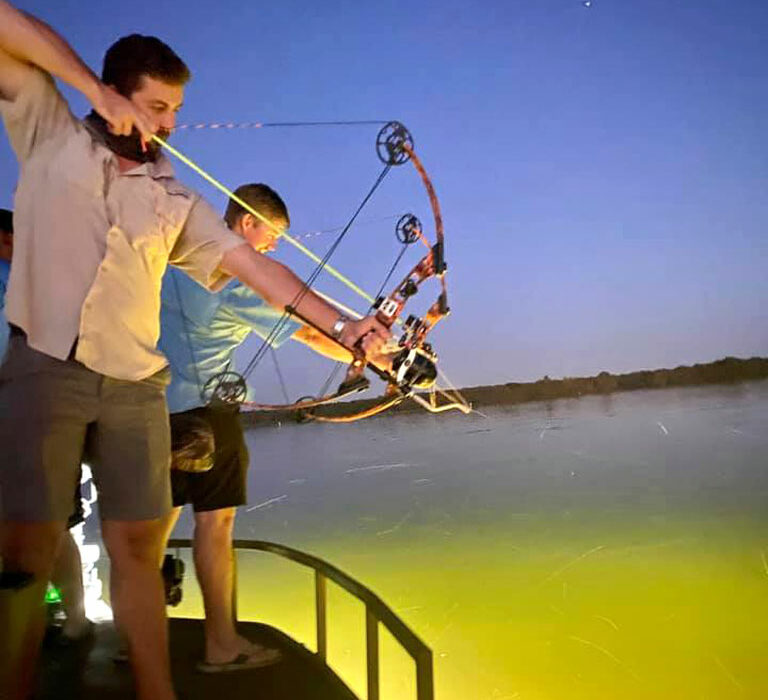
 If you’ve never seen a gar roll under a glowing green light at midnight, you haven’t truly experienced Louisiana. Bowfishing in the Bayou State isn’t just a sport — it’s part adrenaline rush, part backwater tradition, and all-out fun.
From the cypress-lined swamps of the Atchafalaya Basin to the marshes stretching toward the Gulf, Louisiana offers some of the best bowfishing in the country. The shallow, nutrient-rich waters are packed with rough fish like alligator gar, buffalo, carp, and sheepshead — and when conditions are right, the action can be nonstop.
What makes Louisiana special is how alive everything feels. On a warm night, airboats glide across glassy water while LED light rigs cut through the darkness. You’ll see redfish tails pushing in the marsh, schools of mullet flipping, and suddenly — there it is — a massive shadow sliding just beneath the surface. Draw, lead your shot, release. Splash. Chaos. Laughter. High fives.
Unlike traditional fishing, bowfishing is fast and visual. There’s no waiting for a bite. You’re spotting fish, judging refraction, and reacting in real time. It’s hunting and fishing rolled into one — and it rewards sharp eyes and quick reflexes.
Best of all, it’s incredibly accessible. Whether you’re shooting from a custom rigged boat at night or stalking shallow flats during the day, Louisiana’s year-round season and abundant waters make it a bowfisher’s playground.
If you’re looking for a high-energy outdoor experience with a little Cajun flair, bowfishing in Louisiana delivers. The fish are big, the nights are loud, and the memories last long after the last arrow is reeled in.
1) Hoss Bowfishing Charters
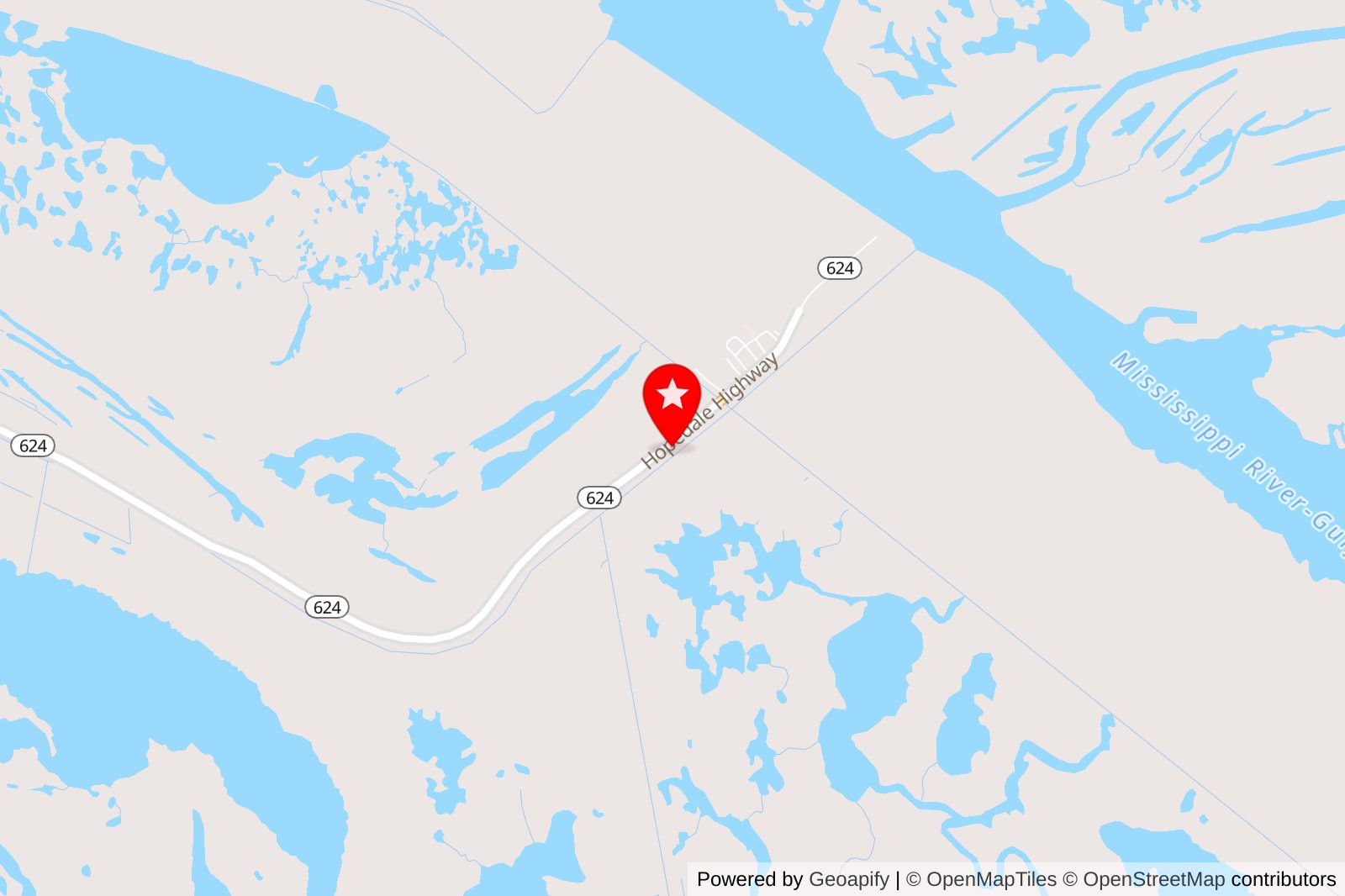
You pull up to a modest riverside spot and immediately notice the boat rigged for bowfishing—sturdy deck, bright lights, and practical gear laid out for quick access. The captain greets you like a regular and walks you through safety and shooting positions with calm, confident instruction.
On the water, you find plenty of room to move and clear sightlines for shooting. The crew adjusts lights and positions to maximize visibility, and they offer steady coaching that improves your accuracy fast.
You see a variety of fish and learn local behavior; the guide points out habits you wouldn’t notice on your own. The trip balances hands-on action with short breaks for photos and quick bait or line checks.
Bookings feel straightforward when you call, and the operation keeps to schedules so you spend more time fishing than waiting. Equipment looks well maintained, and the crew’s experience shows in how smoothly the trip runs.
Rating: 5 (reviews not shown)
Location: 7400 Hopedale Hwy, St Bernard, LA 70085
Contact: (225) 329-3295
Website: Visit Website
2) Midnight Blue Bowfishing Charters and Alligator Hunts
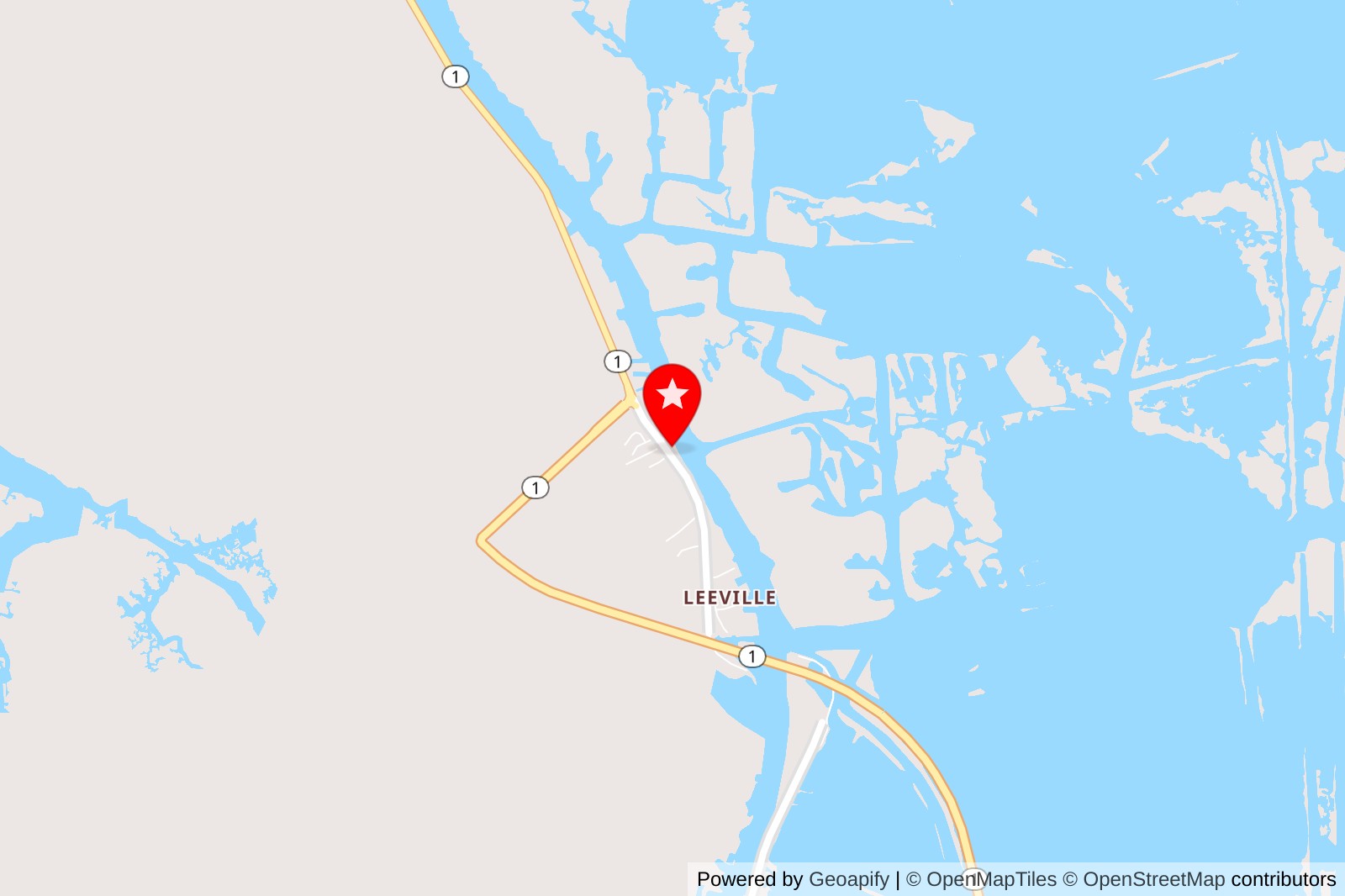
You step onto a low-profile boat that feels built for the shallow backwaters, and the crew immediately sorts gear with practiced efficiency. The guides move with calm confidence and walk you through bow setup, shot angles, and safety checks in a way that makes even first-timers comfortable.
At night the glow of bow lights and the quiet of the marsh create a focused, almost cinematic atmosphere. Fish runs and sighting techniques are explained as they happen, and you get plenty of hands-on practice between real strikes.
I watched the guides switch from bowfishing to prep for an alligator hunt with the same steady routine—permits, safety briefings, and clear roles for every guest. Their experience showed in how quickly they adapted to changing conditions and kept the day organized without rushing the experience.
Trips feel tailored rather than one-size-fits-all; the crew gauges your skill level and paces instruction so you learn without feeling overwhelmed. Expect straightforward guidance, robust equipment, and a no-nonsense approach that prioritizes safety and results.
Rating: 4.9
Location: 24215 LA-1, Golden Meadow, LA 70357
Contact: (985) 677-9407
Website: Visit Website
3) Bayou Bowfishing Charters & Alligator Hunting LLC.
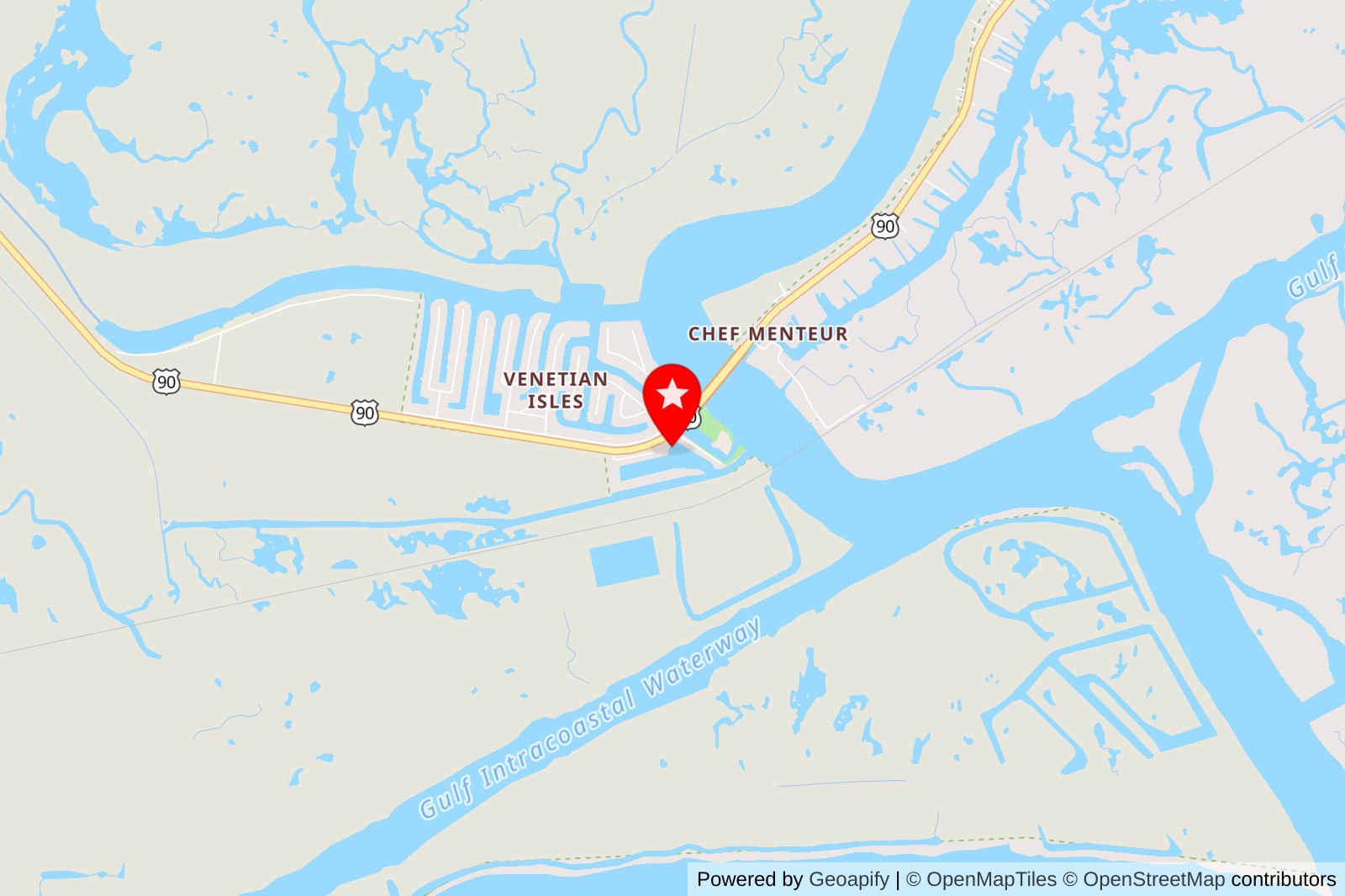
You step off the dock into a low, quiet marsh and the guides take over—calm, direct, and clearly comfortable with the water. Their boats feel solid and purpose-built for night bowfishing and gator hunts, and they bring every bit of gear you need so you can focus on the action.
On a night trip the lights cut through the darkness and you quickly see why the guides know these waters. They read tides and fish movement like clockwork, putting you in the middle of fast-paced shooting and steady chances to land big gar or target invasive species.
Day trips feel more relaxed and family-friendly, with hands-on instruction and safety-first coaching for newcomers. The team balances excitement with practical guidance, so you learn fast without feeling rushed.
Booking is straightforward and the staff handles logistics from launch to ice and cleanup. If you want a real Louisiana experience—local guides, tried-and-true waters, and no-nonsense service—this operation delivers.
Rating: 4.9
Location: 2090 Old Spanish Trail, New Orleans, LA 70129
Contact: (504) 234-7436
Website: Visit Website
4) Premier Bowfishing Charter
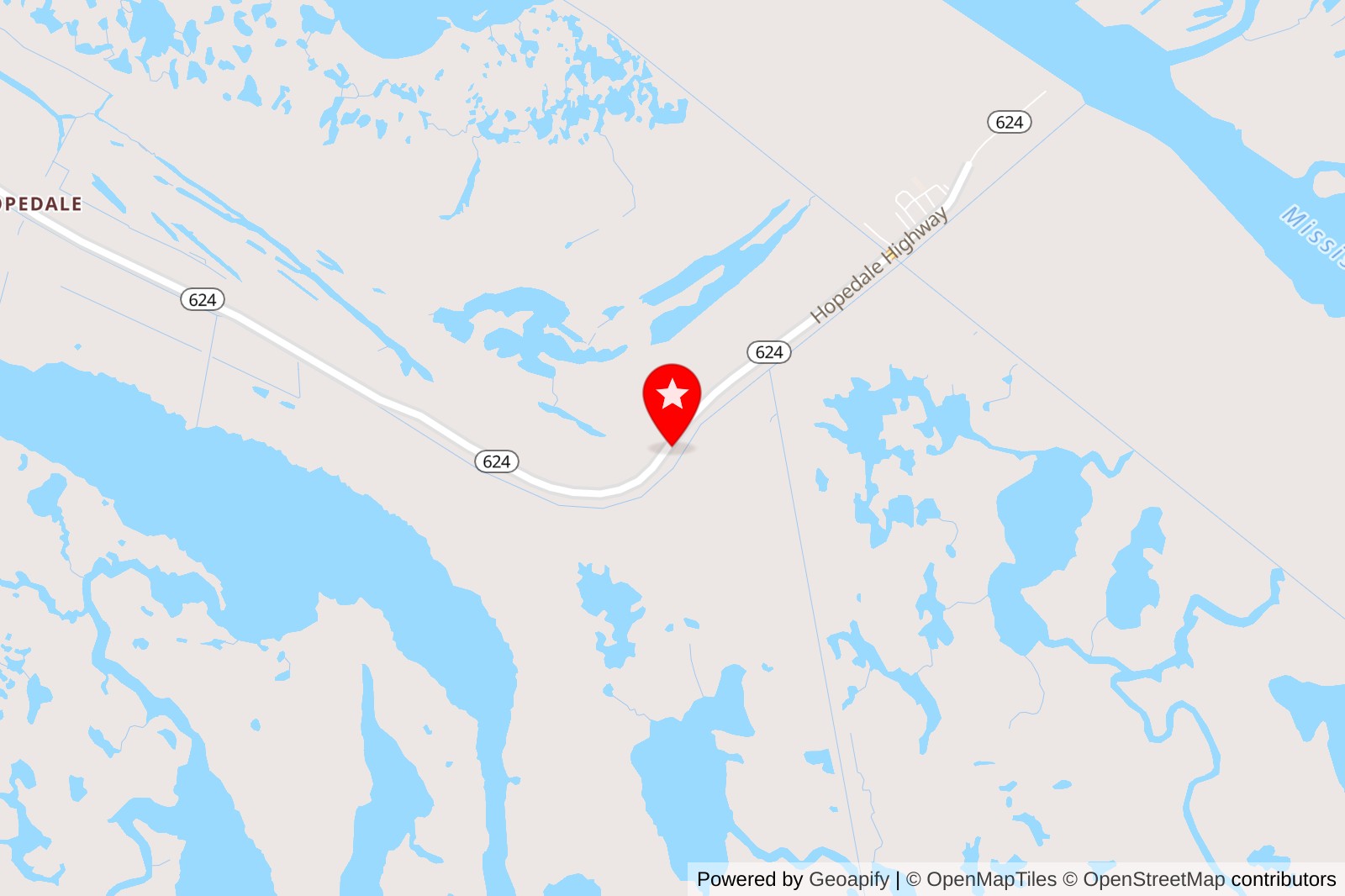
You hop aboard at Breton Sound Marina and immediately notice the crew’s calm, practiced efficiency. Captain Jorda gets everyone set up with gear and gives clear safety and shooting tips before the boat slips into the marsh; the first shots at night feel surprisingly satisfying and controlled.
The trips run about 4–5 hours and move steadily between productive flats and deeper channels. You’ll see a variety of species — redfish, drum, flounder, and the occasional gar — and the guides position the boat to give everyone solid shooting opportunities.
The crew provides all equipment and cleans and bags your catch, so you only need to bring food, drinks, and a cooler with ice. Groups up to six per boat work well; larger parties can request additional boats, which keeps the experience social without feeling crowded.
If you prefer daytime fishing, you can switch to rod-and-reel trips that target trout, sheepshead, and reds in the marsh and edge habitats. Dress in layers and wear closed shoes — you’ll appreciate the practical advice when temperatures or tides shift.
Rating: 4.9
Location: 7101 Hopedale Hwy, St Bernard, LA 70085
Contact: (251) 753-2934
Website: Visit Website
5) Southern Outdoor Bowfishing, LLC
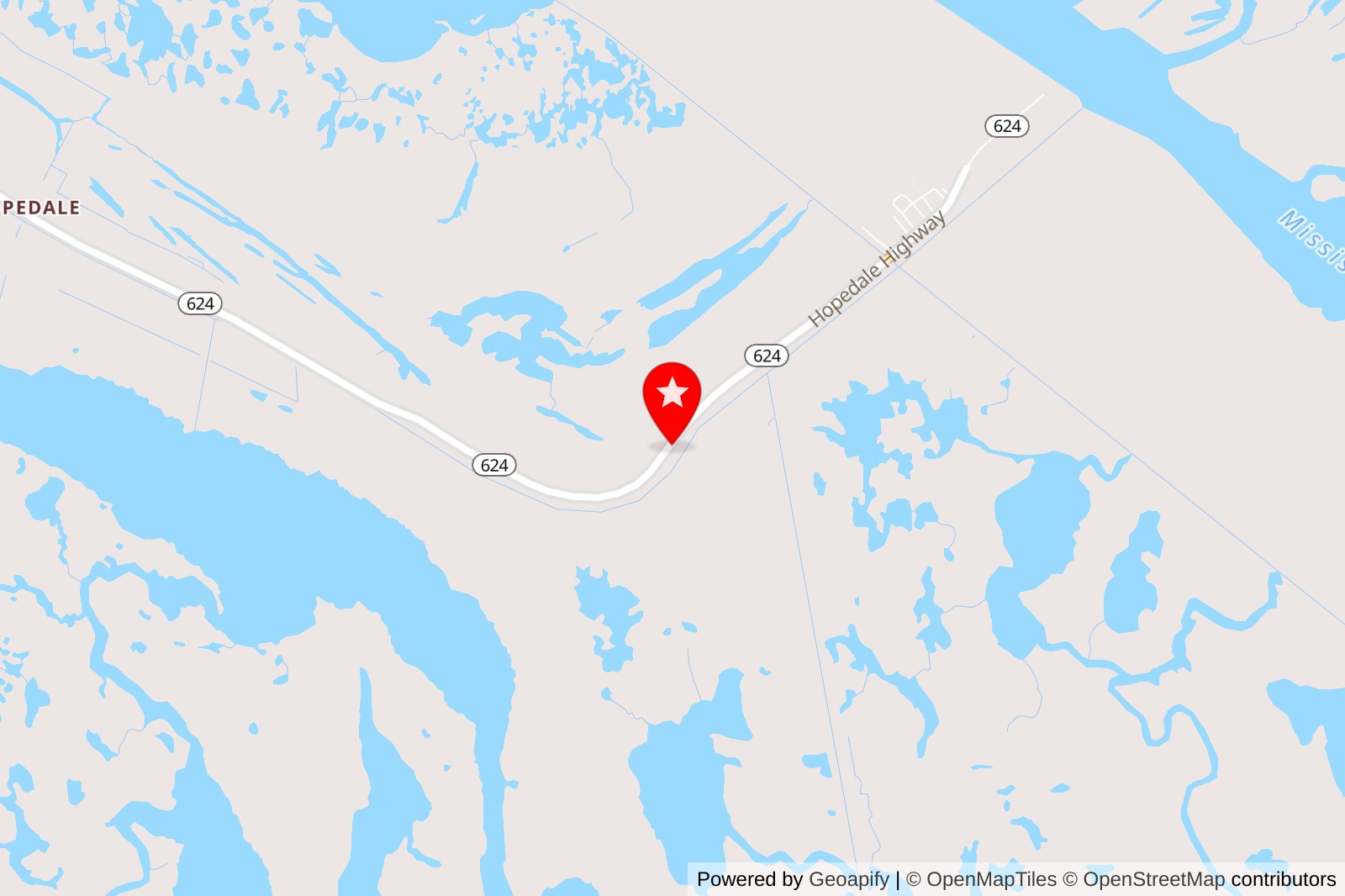
You’ll find Southern Outdoor Bowfishing operating out of a boat-friendly spot with easy access to the marshes and bayous. Your guide moves efficiently between shallow flats and deeper channels, which makes for steady action on gar and large freshwater species.
On the trip I joined, the crew explained techniques clearly and set up gear so you could focus on aiming and shooting. They keep safety tight—briefing on boat positioning, arrow retrieval, and night-lighting before the first run.
The captain reads water and currents well, putting you where fish concentrate instead of guessing. Boats feel well maintained and stable, and the guide’s local knowledge helped you find fish where other crews had trouble.
They handle cleaning and packing your catch and can point you to local outfitters for processing. If you want a focused, no-frills bowfishing trip that prioritizes practice and results, this crew delivers.
Rating: 5
Location: 7101 Hopedale Hwy, St Bernard, LA 70085
Contact: (985) 778-9887
Website: Visit Website
Essential Gear and Preparation
Prepare durable, reliable gear, proper clothing for warm, wet, and mosquito-prone environments, and the correct licenses and local knowledge so your trip stays legal and safe.
Bowfishing Equipment Overview
You need a bow built or rigged for bowfishing: a heavy-duty compound or specialized bow with a 50–80 lb draw weight and a short (28–34″) riser for close-quarters shots. Outfit the bow with a bowfishing reel or retriever mounted below the grip; spooled fiberglass or braided stainless line in 50–200 lb test works best for different species and distances.
Arrows must be carbon or aluminum with blunt, barbed stainless tips and a secure nock to attach line. Bring at least 4–6 arrows per shooter and a tip kit for quick repairs. Use a float on your line or buoy system to prevent losing fish and to help with retrieval.
Include polarized sunglasses for glare reduction, a strong headlamp or floodlight for night trips, and a waterproof VHF or handheld marine radio. Pack a basic tool kit, zip ties, spare line, gloves, and a first-aid kit. Check guide charters—many supply bows and lights, but confirm what they provide before you arrive.
Recommended Attire for Louisiana Waters
Wear breathable, quick-dry layers: a synthetic long-sleeve shirt to protect from sun and mosquitoes and a lightweight waterproof jacket for sudden rain or spray. Opt for convertible or quick-dry pants and neoprene or rubber boots with good ankle support if you’ll step off the boat.
Bring a brimmed hat, polarized sunglasses with retention strap, and a buff or neck gaiter for sun and spray protection. Use non-slip deck shoes with closed toes; avoid thick-soled hiking boots that hold water. Pack a change of clothes and a zippered waterproof bag for electronics.
Consider insect-repellent clothing or DEET-based spray and sunscreen with at least SPF 30. For night trips, add a light jacket—Marshland night air can be cooler—and a headlamp with red/white modes to preserve night vision.
Licensing Requirements and Local Regulations
You must carry a valid Louisiana fishing license; non-residents can purchase short-term licenses online or at bait shops. Bowfishing for certain species requires additional stamps or harvest reports—check current rules for gar, carp, mullet, and invasive species before you fish.
Familiarize yourself with local bag limits, gear restrictions, and allowable hours—some areas prohibit bowfishing inside wildlife refuges or during specific seasons. If you’re on federal waters or a refuge, obtain any required permits from the managing agency.
Ask your guide to confirm regulations and licensing on your behalf; reputable charters will either provide permits or verify your compliance. Keep licenses on you in hard copy or saved image form and log harvested species if required by state reporting.
What to Expect on a Louisiana Bowfishing Trip
Expect guided trips to supply most gear, run in shallow marshes or coastal bays, and focus on night or low-light outings where high-powered lights and an elevated shooting platform give you clear shots at fish near the surface.
Target Species in Louisiana
You’ll commonly encounter species that inhabit shallow marshes, bayous, and nearshore waters. Expect to see large gar (longnose and alligator gar) in freshwater marshes and backwaters; guides often avoid filleting gar due to armor-like scales and taste. Black drum and red drum appear in brackish water, especially near oyster bars and shallow flats. Sheepshead and bowfin can also be present depending on habitat.
Guides often list the species they target on their booking pages, and many charters will clean and bag your kills—except gar. If you have a species preference, tell the guide ahead of time so they can choose the best launch area and time of night.
Ideal Seasons and Weather Considerations
Peak months vary by target: spring and fall produce active drum and redfish in nearshore marshes, while warm summer nights increase gar and bowfin activity in freshwater creeks. Night trips run year-round, but water temperature and moon phase affect visibility and fish movement.
Check local forecasts for sustained winds under 15–20 mph; higher winds make shooting from a small boat difficult. Guides will cancel or reschedule trips for thunderstorms, extreme tides, or unsafe sea states. Bring layered clothing—the coastal night can be several degrees cooler than the day, and water spray is common.
Safety Best Practices on the Water
Wear a USCG-approved life jacket; many charters require it during boarding and while the boat is moving. Bowfishing involves sharp broadheads and wet, slippery decks—keep your stance low, maintain three points of contact, and store spare arrows in designated racks.
Follow the guide’s instructions on shooting angles, arrow retrieval, and boat movement. Use non-slip footwear and a headlamp with a red-light option to preserve night vision. Handle fish and arrows with gloves when cleaning or transferring to bags to avoid cuts and infections. If you’re on a night trip, carry any necessary medications and inform the guide of medical conditions before departure.