

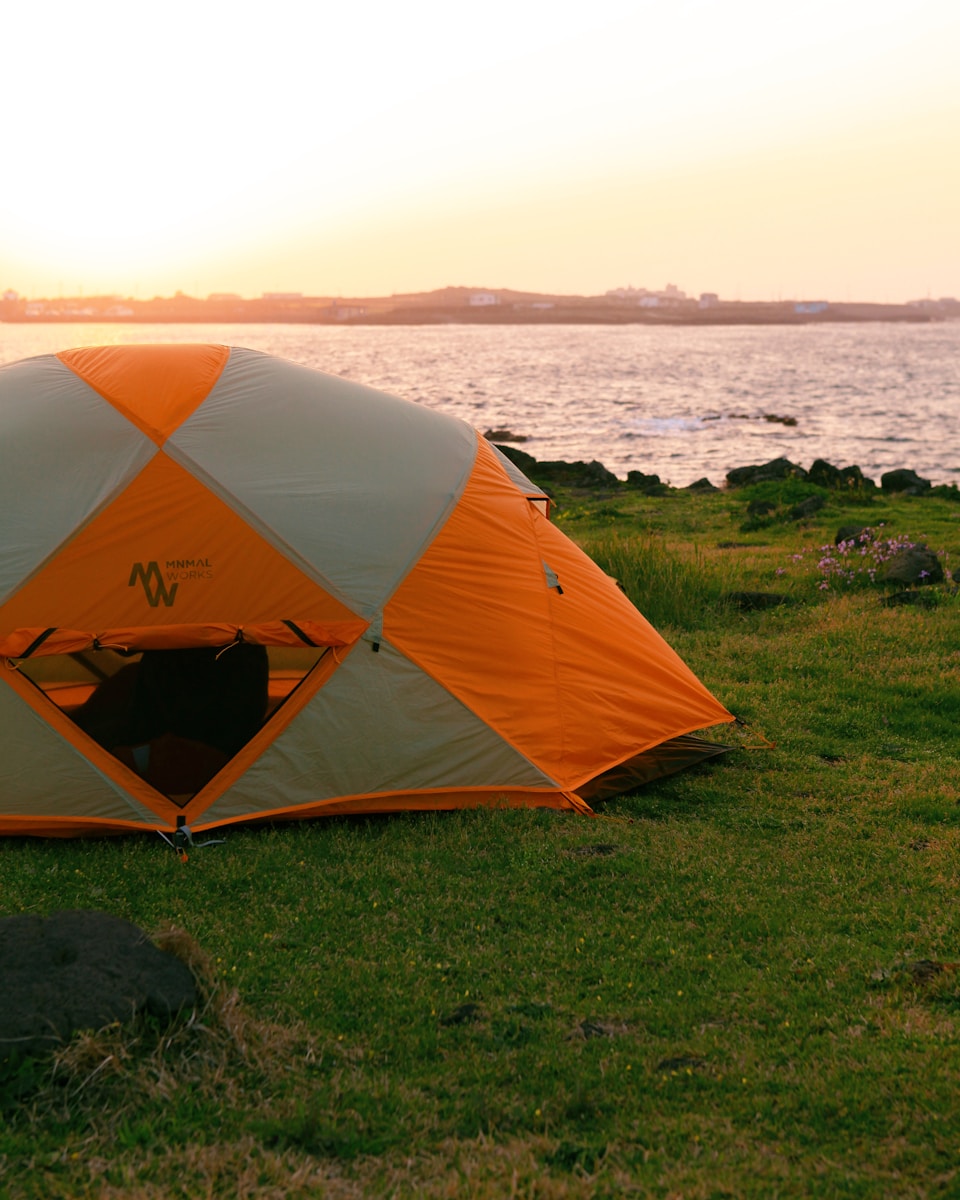
You get cooler temperatures, fewer crowds, and a landscape waking up with wildflowers and migrating birds — all while avoiding summer heat and packed trails. Early spring camping often delivers better weather, better wildlife viewing, and more solitude than summer, making it a smarter choice for anyone who values comfort and a more natural experience.
Plan for variable conditions and focus on lower-elevation or coastal sites if snow still lingers in the mountains. The rest of the article will walk you through why early spring beats summer and the specific benefits that make it worth shifting your trip calendar.
Why Early Spring Camping is Superior to Summer
Early spring gives you mild days, cool nights, fewer people at popular sites, and noticeably fewer biting insects. You get clearer trails, better wildlife sightings, and lower rates at many campgrounds.
Ideal Weather Conditions
You’ll usually find daytime highs in the 50s–60s°F (10–20°C) that make hiking and setting up camp comfortable without constant sweating. Nights can dip near freezing, so bring a 20–30°F (-6–-1°C) rated sleeping bag and an insulating pad to stay warm. Layering works best: a breathable base layer, an insulating mid-layer, and a water-resistant shell handle sudden spring showers.
Expect more variable weather than summer—wind, rain, or a late cold snap are possible—so check forecasts for your specific trailhead and pack a compact tarp and waterproof stuff sacks. The payoff: less heat exhaustion risk and more enjoyable daytime activity windows.
Crowd-Free Campsites
You’ll encounter far fewer campers at trailheads, popular overlooks, and established campgrounds in early spring. This means better site selection—pick a flat, sheltered spot near water without competing for space. You’ll also have more peace for activities like photography, birdwatching, or a quiet campfire where allowed.
Fewer people make permits and reservations easier to score, and you can often switch campsites on short notice. Lower occupancy sometimes reduces campground fees and gives you access to amenities (restrooms, boat launches) without queues.
Fewer Bugs and Pests
Cooler temperatures suppress mosquito and blackfly activity, so you’ll spend less time slathering on DEET or dealing with buzzing at your face. Ticks are active in spring, so wear long pants, use permethrin-treated clothing, and perform daily tick checks—especially after hiking through leaf litter or tall grass.
Rodent activity around food packs is lower than in summer, but you should still use bear-proof lockers or hang food where required. Overall, insect pressure drops substantially, letting you enjoy meals, sleep, and hikes with fewer interruptions.
Unique Benefits of Camping in Early Spring
You’ll find fresher scenery, more wildlife activity, and better campsite choices than in summer. These gains translate into clearer views, quieter trails, and lower lodging costs when you plan your trip.
Scenic Spring Landscapes
Spring transforms valleys, meadows, and high-country basins quickly. You’ll see bright wildflower carpets, budding deciduous trees, and snow-capped ridgelines within the same day’s view, which makes photo opportunities and short scenic hikes especially rewarding.
Bring a lens or binoculars for detailed shots; morning light and low-angle sun in spring deliver richer colors than the flat light of midsummer. Expect muddy trail sections and lingering snow at higher elevations—pack waterproof boots and microspikes if you’ll cross late-season snowfields. Also consider timing: bloom windows vary by elevation and latitude, so check local bloom reports or state park updates to hit the peak display.
Wildlife Watching Opportunities
Animals become active as temperatures rise, giving you better chances to observe wildlife ethically. You’ll likely spot migratory songbirds returning, elk or deer moving to lower elevations, and amphibians near thawing ponds—prime viewing times are dawn and dusk.
Keep distance and use binoculars or a spotting scope. Early spring often means animals are more focused on feeding and breeding, so you can observe natural behaviors like courtship displays and territorial calls. Be cautious about newborns in late spring; avoid disrupting habitat and follow park guidelines for food storage to prevent habituation.
Availability of Prime Campsites
You’ll face fewer competitors for lakefront sites, trailhead spots, and grassy meadows than during summer peak season. Many campgrounds offer lower rates in spring, and first-come sites are easier to snag on weekdays and shoulder weekends.
If you prefer reservations, you can book premium loops or orientation-specific sites (south-facing, riverfront, close to trailheads) before they sell out. Note that some facilities might still be closed for staffing or snow removal—confirm water availability and restroom access. For dispersed camping, plan for muddy ground and seasonal restrictions; a compact shovel and groundsheet help protect sensitive soils.