
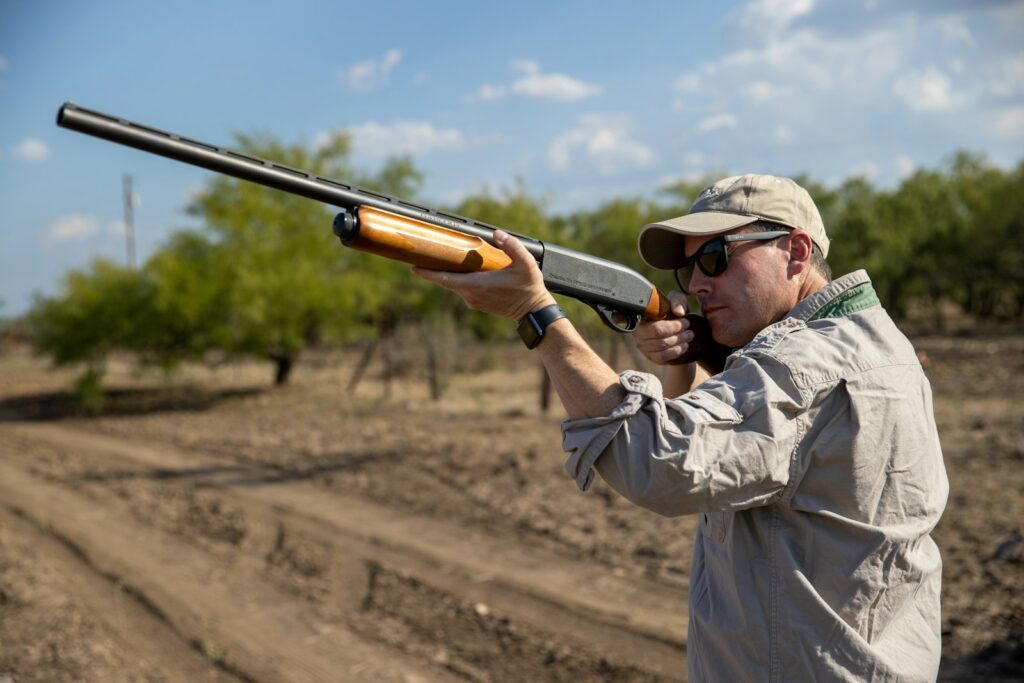
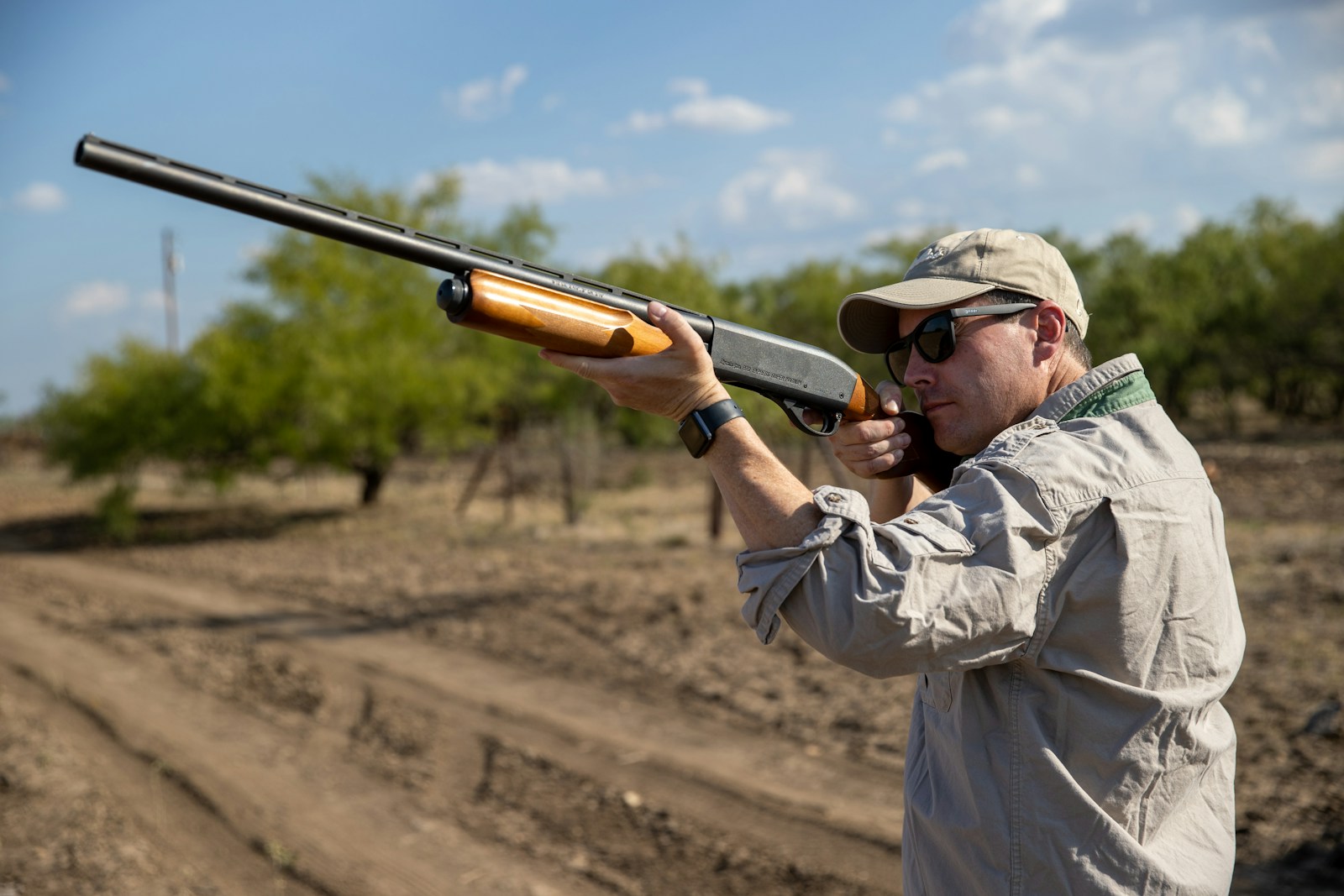
You want a shotgun that feels right, shoots well, and won’t hold you back on your first bird hunt. I’ll show five easy-to-use, entry-level shotguns that balance weight, recoil, and price so you can focus on learning skills instead of fighting gear. You’ll find a practical pick among these five that fits your body, hunting style, and budget.
I’ll point out what matters most when choosing a beginner gun, like gauge, action type, and fit, and I’ll answer common questions that new hunters ask. This will help you pick a shotgun that builds confidence in the field and lasts through many seasons.
Top 5 Entry Level Shotguns for Bird Hunting
I pick shotguns that balance price, reliability, and ease of use for new bird hunters. Each gun below shows what matters most: weight, recoil, action type, and simple maintenance.
Remington 870 Express Overview
I like the Remington 870 Express for its solid pump action and long history in the field. It uses a simple, proven pump mechanism that feeds both light target loads and heavier hunting loads without fuss. The 870’s steel receiver and variety of barrel lengths let me choose a 26″ or 28″ barrel for upland speed or a shorter barrel for tight cover.
Controls are straightforward: a sliding fore-end, top-tang safety on many models, and a simple magazine tube cap for easy loading. After a day of walking, I notice the 870’s balance reduces fatigue. Cleaning and parts replacement stay cheap and easy thanks to wide availability.
Mossberg 500 Features
I recommend the Mossberg 500 for its ambidextrous safety and user-friendly design. The safety sits on the tang or behind the trigger depending on model, which works well for left- or right-handed shooters. Its twin action bars give the forend smooth, consistent movement that feels safe under stress.
The 500 comes with several stock options, including youth and synthetic hunting stocks, so I can tailor fit and reduce felt recoil. Field models often include a ventilated rib barrel for faster target acquisition on pheasants and quail. The simple disassembly lets me strip the shotgun in minutes for cleaning after a wet day in marsh or field.
Stoeger M3000 Reliability
I consider the Stoeger M3000 a strong entry-level semi-auto when I want low recoil and fast follow-up shots. Its inertia-driven action stays cleaner than gas systems and runs on a wide range of loads, from light dove ammo to heavier duck loads. That means fewer malfunctions and less frequent cleaning cycles.
The M3000 often ships with a removable choke system, giving me shot pattern control for various birds. The synthetic stock stands up to rain and rough handling. I’ve found the fit-and-finish is good for the price, and replacement chokes and parts are affordable if I want to upgrade performance later.
Winchester SXP Performance
I value the Winchester SXP for its fast, smooth pump cycle and low price point. Winchester’s Slide Action function gives a short, quick pump stroke that helps me get back on a flushing bird fast. The receiver is ribbed in many models to reduce glare and aid sighting.
The SXP handles a wide range of 12- and 20-gauge loads and accepts common choke tubes on many variants. The stock geometry tends to put the point of impact in line with my eye, so I spend less time re-sighting. For a beginner who needs reliable function and quick target reacquisition, the SXP performs well in the field.
Benelli Nova Durability
I pick the Benelli Nova when I want a tough, low-maintenance pump shotgun built for hard use. The one-piece polymer stock and receiver resist bumps, moisture, and scratches better than wood. The Nova’s action is smooth and positive, which means I can cycle rapidly without worrying about wear.
Benelli’s choke system and barrel fit give consistent patterns across loads, and the Nova handles heavy magnum loads with minimal fuss. If I expect rough weather or rough handling, this shotgun’s durability and long service life make it a sensible choice for a first real hunting gun.
Key Considerations When Choosing a Beginner Shotgun
I focus on practical factors that matter most for bird hunting: the right gauge, a shotgun that fits your body and shooting style, a price that matches expected use, and simple upkeep you can handle in the field.
Gauge Selection for New Hunters
I recommend most new bird hunters start with a 12- or 20-gauge shotgun. A 12-gauge offers wide ammo choices and works well for ducks and bigger upland birds. A 20-gauge has less recoil and lighter shells, which helps with practice and long days in the field.
Match shell weight to your game: heavier loads for waterfowl, lighter target loads or 7/8–1 oz loads for quail and doves. If shoulder size or recoil sensitivity is an issue, choose a 20-gauge or add a recoil pad. Also check choke options: tighter chokes for longer-range shots, more open chokes for dense bird flocks.
Fit and Comfort
I test length of pull (LOP), stock drop, and comb height to ensure the shotgun points naturally at my eye and cheek. A poor fit makes me miss more and tire faster. Shorter LOP helps shooters with short arms; a longer LOP fits taller hunters.
Weight matters: lighter guns reduce fatigue on long walks, but too light can increase felt recoil. I prefer a balanced gun that swings easily—pump or semi-auto with a moderate barrel length (26–28 inches) often hits that sweet spot for upland and mixed bird hunting.
Budget and Value
I set a clear budget before shopping. For a reliable entry-level shotgun, expect to pay a reasonable amount for brand-new pumps or entry semi-autos; used higher-tier guns can also offer value. Don’t chase low price at the cost of safety or basic fit.
Look for features that matter: good barrel alignment, solid action, and replaceable choke tubes. Prioritize durable finishes and a simple warranty. I buy the best fit within my budget rather than extra bells that don’t improve field performance.
Ease of Maintenance
I choose models with simple takedown and few small parts I could lose in the field. Break-action and simple pump actions clean quickly. Semi-autos need more attention: regular cleaning of the action and gas system keeps reliability high.
Carry basic tools: a small brush, bore cleaner, and a cloth. I wipe barrels and move parts dry after a wet day. Also check parts availability—common models have more spare parts and easier repairs if something fails during hunting season.
Frequently Asked Questions
I cover budget picks, reliable 12-gauge semi-autos, the key traits of a good beginner gun, waterfowl choices, and versatile models you can use across upland and wetland hunts. I name specific models and traits so you can compare them quickly.
What are the best budget-friendly shotguns for bird hunting beginners?
I recommend the Mossberg 500 and Remington 870 as top budget-friendly options. They are pump-actions, widely available, and parts are easy to find.
The Stevens 555 or Savage/Stevens single-shots also work well for young or new hunters on a tight budget. These are simple, light, and have low recoil with smaller gauges.
Which 12 gauge semi-automatic shotguns are top picks for new bird hunters?
I favor the Benelli Super Black Eagle and the Beretta A300 for 12-gauge semi-automatics that balance reliability and cost. The Benelli is pricier but very durable; the Beretta A300 gives good value and dependable cycling.
The Mossberg 930 and Remington Versa Max also deserve mention for beginners who want semi-auto performance without a steep learning curve. Both handle a range of loads and are user-friendly.
What characteristics define an ideal entry-level shotgun for bird hunting?
I look for light-to-moderate weight, a comfortable stock length, and predictable recoil. Those three make learning to mount and follow a flying bird easier.
I also value simple controls, a 26–28 inch barrel for upland or 28–30 inch for waterfowl, and a choke system that lets you change patterns. Reliability and affordable spare parts matter for long-term ownership.
How do I choose a reliable and effective shotgun for waterfowl hunting?
I choose models rated for steel shot and with longer barrels (28–30 inches) for better patterning at range. Check the barrel and magazine for steel-shot compatibility.
I also prefer a shotgun with a stout recoil pad and an adjustable or removable choke system. For blind work, a camouflage finish and a comfortable sling help during long sits and retrieves.
Which entry-level shotguns are the most versatile for different types of bird hunting?
I find pump-actions like the Mossberg 500 and Remington 870 the most versatile; they adapt to upland or waterfowl with a barrel and choke swap. A 12-gauge pump covers everything from dove to duck if you select the right chokes and loads.
A 20-gauge semi-auto or field-grade 12-gauge with interchangeable chokes also gives versatility with less recoil for long days in the field.
What are the top recommended shotguns for beginners focusing on waterfowl in 2026?
I recommend the Beretta A300 for value and the Benelli Super Black Eagle for premium durability in 2026. Both handle steel shot and perform well in wet conditions.
I also cite the Mossberg 940 Pro and Remington Versa Max as strong midrange choices that balance price, reliability, and waterfowl-ready features.