
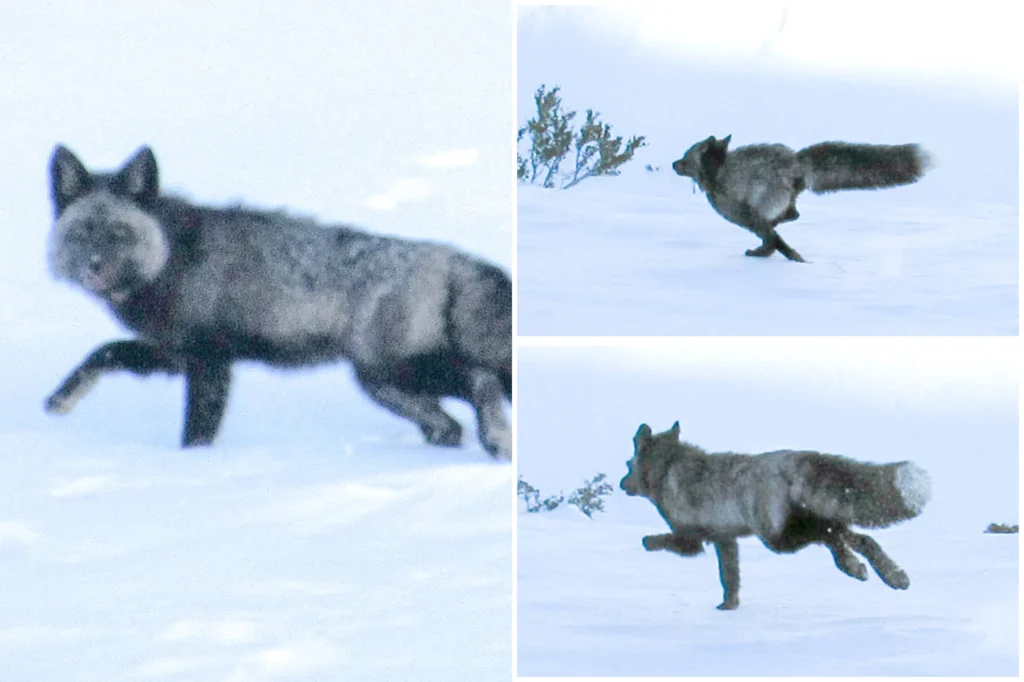
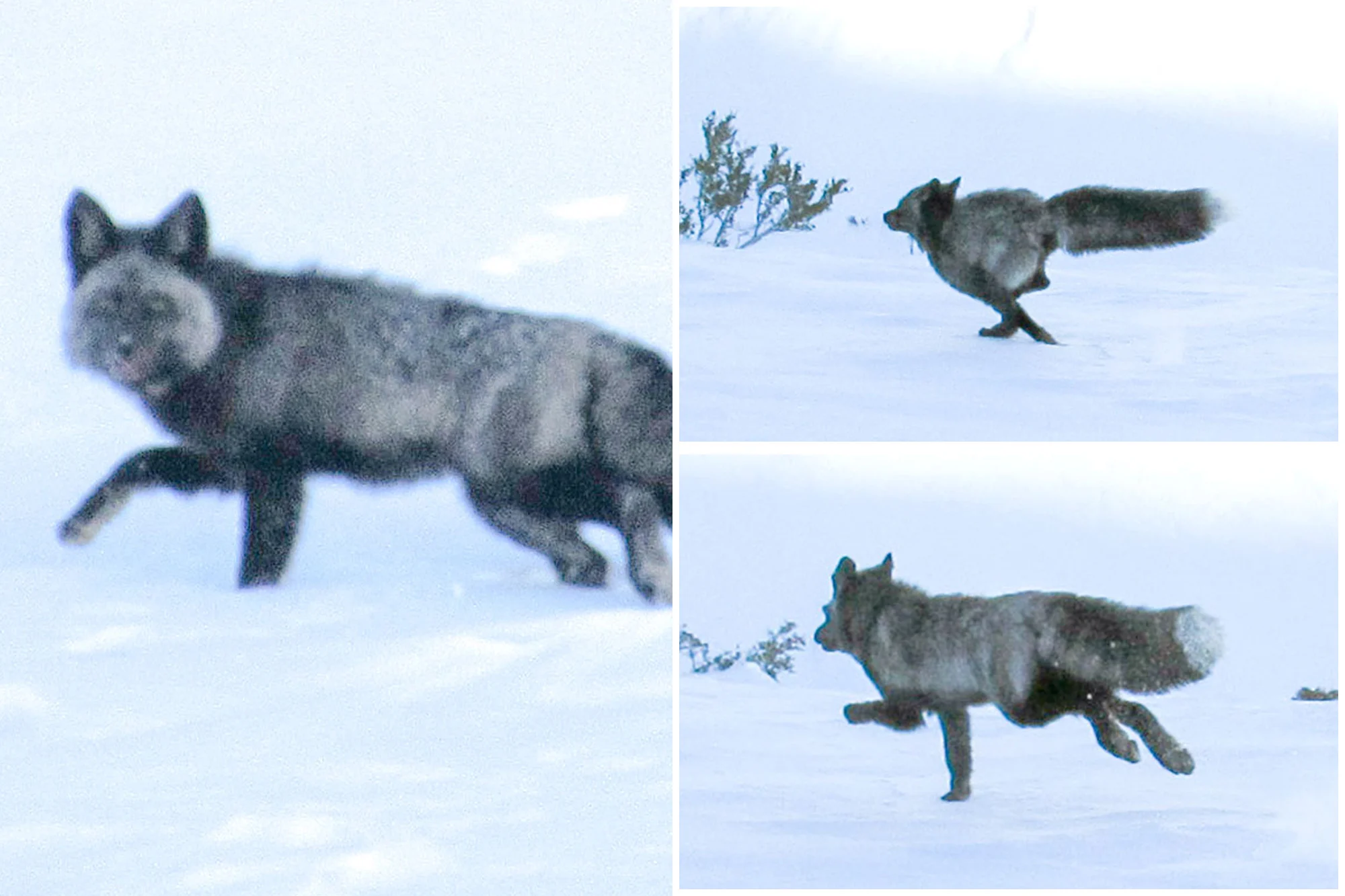
 The elusive Sierra Nevada red fox has been sighted and, for the first time in the southern Sierra, fitted with a GPS collar — a concrete step that will let scientists track its movements and better protect this critically small population. This capture and tracking effort gives you direct, actionable insight into how biologists will study habitat use, reproduction, and threats to a population believed to number under 50 individuals.
Expect a clear look at how this historic sighting unfolded, why the collar matters for long-term recovery, and what the data could mean for conservation strategies in California’s high country. You’ll see the connection between fieldwork, technology, and policy that could change how this isolated lineage is managed and preserved.
Historic Sighting and First-Ever Collaring
You will read how biologists located and captured a Sierra Nevada red fox near Mammoth Lakes, fitted it with a GPS collar, and used long-term camera, scat and trapping work to make the effort possible.
Location and Details of the Capture
Biologists from the California Department of Fish and Wildlife’s Bishop Field Office captured the fox in January near Mammoth Lakes, in the southern Sierra. The animal was handled on site, fitted with a GPS-tracking collar, and released the same day to resume natural movements.
You should note the southern Sierra population is very small—fewer than 50 individuals are estimated—so every capture must minimize stress and disturbance.
The collar will provide locational fixes to reveal home range size, seasonal movements, and den sites. That data helps you understand habitat use at high elevations and guides future protection measures. Handling protocols followed CDFW guidelines to protect animal welfare and research integrity.
Role of California Department of Fish and Wildlife
CDFW coordinated the operation through its Bishop Field Office, with environmental scientists and wildlife biologists leading field logistics. Julia Lawson and other staff directed years of preliminary surveys and the capture field team.
You can expect CDFW to use collar data for management decisions, permitting, and targeted conservation actions within California’s Endangered Species framework.
CDFW also manages sample collection from captures—blood, hair, and other biological material—to assess health and genetic diversity. Those samples, paired with GPS tracks, let you and managers prioritize areas for habitat protection and future monitoring.
Use of Trail Cameras, Scat Surveys, and Trapping Efforts
Remote trail cameras and scat surveys provided the baseline that located this individual’s range after a decade of work. Trail cameras produced photographic detections at high elevations; scat surveys confirmed presence and helped map distribution.
You should understand that three years of intensive trapping preceded the successful collaring; traps were deployed strategically where cameras and scat indicated repeated use.
Trapping followed careful protocols to reduce non-target captures and stress. Combined methods improved capture efficiency and reduced time in the field, increasing safety for both animals and staff. The integrated approach directly enabled the first GPS collaring in the Sierra Nevada by producing reliable detection sites and focusing limited field effort where it mattered most.
- Key tools used: trail camera, scat surveys, targeted trapping.
- Field lead: CDFW Bishop Field Office; notable staff: Julia Lawson.
Impacts on Conservation and Protection
The capture and GPS collaring provide hard locations and biological samples that guide management actions and future surveys. You will learn how tracking advances research, how legal status and threats shape protection, and how ongoing efforts connect to broader biodiversity goals.
GPS Tracking and Research Advances
Attaching a GPS-tracking collar to a Sierra Nevada red fox gives you precise, time-stamped movement data across rugged alpine terrain. That data reveals home-range sizes, elevation use, den locations, and seasonal shifts in prey-driven movements—information you cannot reliably get from cameras or scat alone.
You can use GPS satellite collars to prioritize areas for ground surveys and to plan targeted habitat protection. Past collars in the Lassen Peak region uncovered den sites and reproductive timing; similar data from the southern Sierra will let you compare populations and identify corridors between isolated groups.
GPS data also supports noninvasive genetic sampling by indicating where to collect scat or hair near frequently used sites. Researchers such as Jennifer Carlson have demonstrated how telemetry combined with field work improves understanding of movement and habitat use for Vulpes vulpes necator.
Conservation Status and Threats
The Sierra Nevada red fox is listed under the federal Endangered Species Act and protected as a Threatened Species under the California Endangered Species Act. You should understand that fewer than 50 individuals may remain in the Sierra Nevada, making each detection and collaring event critical for recovery planning.
Primary threats include low genetic diversity from small, isolated populations, competition and hybridization with nonnative red foxes or coyotes, and habitat loss from fire, drought, and human-caused landscape change. Sites like Sonora Pass, Cottonwood Pass, and areas near Lone Pine help define the species’ fragmented range and show where genetic rescue or connectivity measures might matter most.
Legal protections enable actions such as limiting disruptive activities near den sites and directing conservation funding. You can expect managers to weigh risks of trapping and collaring against the benefits of detailed movement and habitat-use data.
Ongoing Efforts and Broader Significance
Your support for habitat conservation and the 30×30 initiative links local fox recovery to statewide biodiversity goals. Protecting alpine corridors and key sites identified by GPS collars helps not only the Alpine red fox but also prey species and broader ecosystem functions.
Ongoing actions include expanded camera and scat surveys, targeted trapping with GPS collars where justified, and collaboration between state biologists, federal agencies, and researchers. Data-driven steps—like mapping den clusters or seasonal ranges—inform where to focus habitat protection, restoration, and possible genetic management.
You can expect wildlife viewing and recreation managers to use movement maps to reduce human disturbance near sensitive areas. Applied conservation science now centers on translating collar locations into concrete management: site-specific protections, prioritized monitoring, and long-term plans to increase population resilience.