
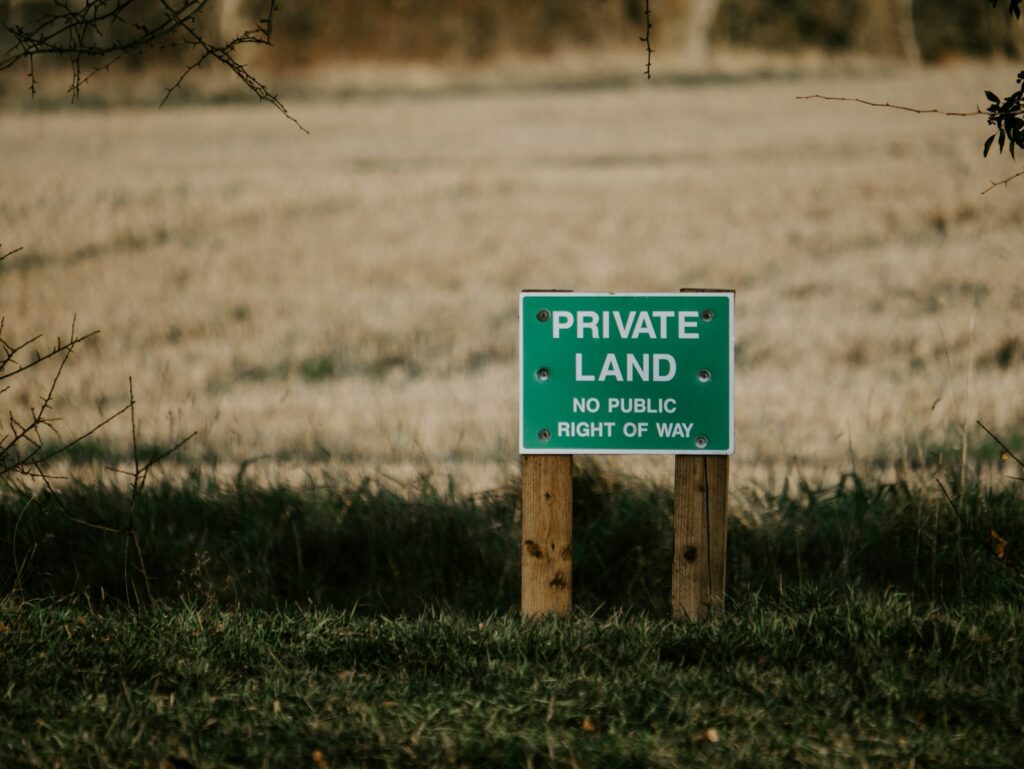
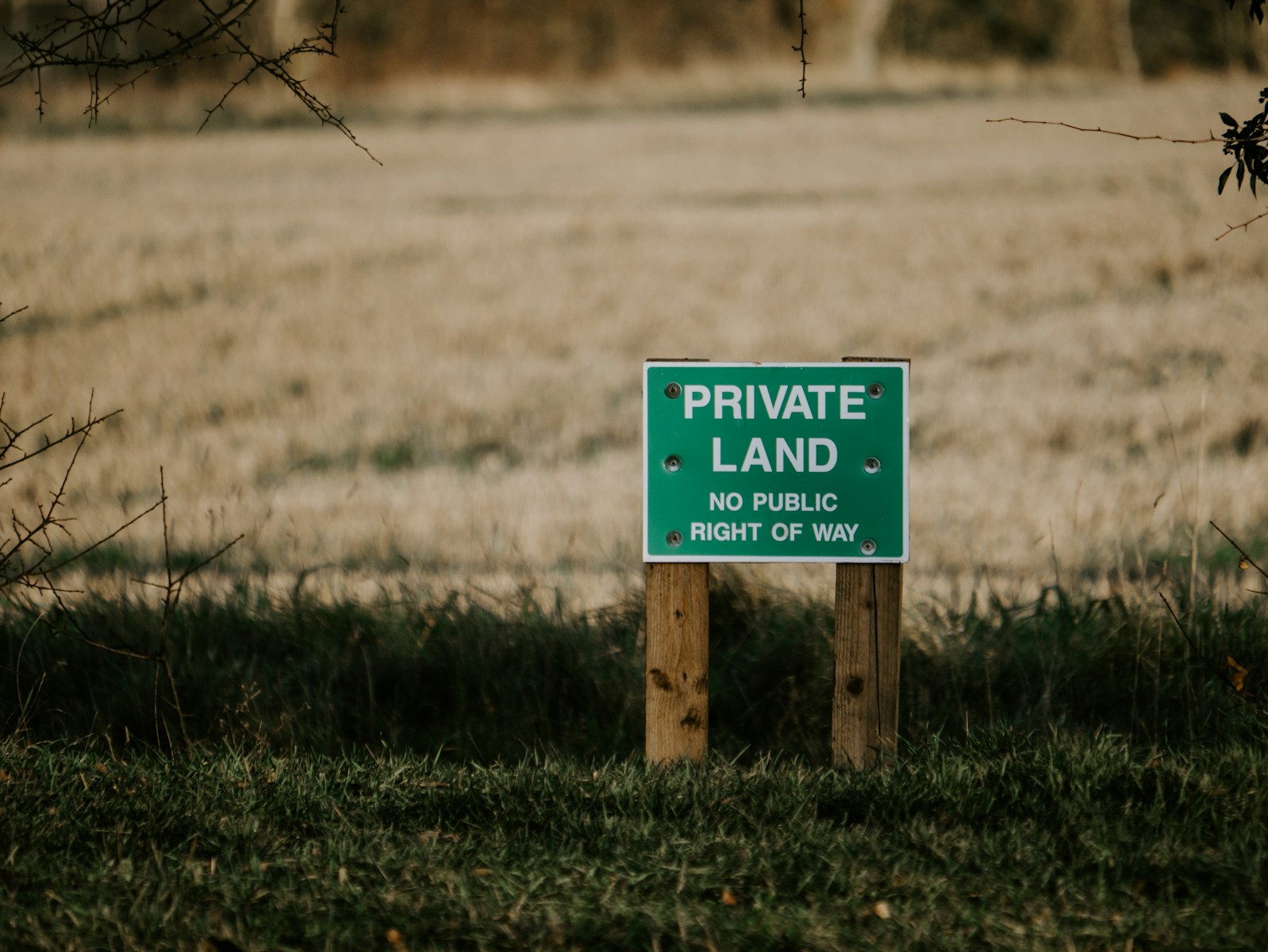
For many hunters, access is the biggest barrier to getting into the field. Private land can be difficult to secure, leases are expensive, and knocking on doors doesn’t always lead to permission. Fortunately, millions of acres of public land are available across the United States — and with the right approach, they offer incredible opportunity.
Finding public land to hunt isn’t complicated, but finding good public land takes effort. Here’s how to locate it, evaluate it, and set yourself up for success.
Start With Your State Wildlife Agency
The most reliable source of information is your state’s wildlife or natural resources agency. Every state maintains public hunting areas, commonly known as Wildlife Management Areas (WMAs), and provides detailed information online.
Most state websites offer:
-
Interactive public land maps
-
Property descriptions and acreage
-
Species-specific regulations
-
Permit or draw requirements
-
Seasonal restrictions
Search online for “[Your State] public hunting land map” or visit your state’s Department of Natural Resources website. Many agencies also publish downloadable PDF maps and property guides.
Always read the regulations carefully. Some areas have weapon restrictions, special seasons, or limited access days that differ from statewide rules.
Use Modern Mapping Technology
Digital mapping apps have revolutionized public land hunting. Tools like onX Hunt, HuntStand, BaseMap, and similar platforms allow hunters to view property boundaries, terrain features, and access points directly from their phone.
These apps help you:
-
Clearly identify public versus private land
-
Avoid trespassing
-
Locate landlocked or overlooked parcels
-
Study satellite imagery and topographic features
-
Mark sign, bedding areas, and stand locations
For public land hunters, especially beginners, investing in a mapping tool can prevent costly mistakes and dramatically improve efficiency.
Explore Different Types of Public Land
Public land comes in several forms, and understanding the differences can expand your opportunities.
Wildlife Management Areas are state-managed lands specifically designated for conservation and hunting. National Forests often allow hunting unless otherwise posted and can provide vast acreage, particularly in mountainous regions. Bureau of Land Management (BLM) land is especially common in western states and offers millions of acres of accessible ground.
Additionally, some Army Corps of Engineers properties near lakes and reservoirs permit hunting, as do many state forests. Each type of land may have slightly different regulations, so always confirm rules before hunting.
The more flexible you are about land types, the more opportunity you’ll uncover.
Look Beyond Easy Access
One of the biggest mistakes new public land hunters make is focusing only on obvious access points. Parking lots, trailheads, and easily visible areas receive the most pressure.
To improve your odds:
-
Study maps for walk-in only sections
-
Identify terrain features that require effort to reach
-
Look for areas farther from main roads
-
Consider steep, thick, or less appealing terrain
Hunting pressure pushes animals away from high-traffic areas. Often, walking an extra half-mile can separate you from the majority of hunters and significantly increase your chances.
Scout Before the Season Opens
Finding land is only the first step. Learning how animals use that land is what leads to success.
Preseason scouting allows you to:
-
Locate bedding areas
-
Identify food sources and water
-
Find travel corridors
-
Discover fresh sign such as tracks, droppings, rubs, and scrapes
Spend time walking the property without the pressure of carrying a weapon. Observe how terrain funnels movement. Pay attention to wind direction and how it interacts with valleys and ridges.
Scouting builds confidence and familiarity, both of which are critical when season opens.
Talk to Local Experts
Many hunters overlook one of the best resources available: local wildlife biologists and conservation officers. While they won’t give away secret spots, they can provide valuable insight about herd health, habitat conditions, and areas with strong populations.
A respectful phone call or email can provide general direction and help you narrow your search.
Understand Access and Parking Rules
Before opening day, make sure you fully understand access points, parking rules, and entry requirements. Some public lands require permits, check-in stations, or specific parking areas.
Starting your hunt with a citation for improper parking or entry is easily avoidable with a little research beforehand.
Embrace the Challenge of Public Land
Public land hunting requires adaptability. You will encounter other hunters. You may have backup plans disrupted. Pressure will shift animal movement.
Successful public land hunters remain flexible. They hunt weekdays when possible, move when necessary, and avoid overcommitting to one location.
Animals respond to pressure — and smart hunters adjust accordingly.
Final Thoughts
Public land hunting represents opportunity. It offers access without expensive leases and allows anyone willing to put in the work a chance at success.
Start with your state wildlife agency. Use mapping technology. Scout thoroughly. Push beyond easy access. Respect the land and fellow hunters.
The acres are out there. The opportunity is real.
All that’s left is the pursuit.