
You’ll find wildflower season in Texas impossible to ignore once you start chasing color across hill country roads and parklands. This article shows seven top places where you can plan the best time and spots to see seasonal blooms.
1) Bluebonnet House, Marble Falls
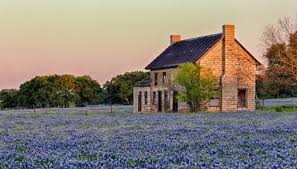
You’ll find the Bluebonnet House just north of Marble Falls along Highway 281, surrounded by broad fields that bloom each spring. The two-story limestone farmhouse dates to the mid-19th century and has become one of the most photographed homes in the Texas Hill Country.
Plan your visit for late March through April when bluebonnets typically peak in this region. Mornings and late afternoons offer the best light for photos and fewer visitors, so you can enjoy the view and compose shots without strong midday sun.
The site is not a manicured public garden but a historic property set within working land, so respect fences and any posted private-property signs. You can still capture striking images from public vantage points along the road or at nearby pullouts when access is restricted.
Bring a wide-angle lens if you want the house framed against a sweeping field of flowers, and consider a low perspective to make the bluebonnets appear denser in the foreground. Wear sturdy shoes and be prepared for uneven ground if you walk toward viewing spots off the shoulder of the road.
After you take photos, Marble Falls offers nearby amenities—cafes and shops where you can warm up or grab a meal. Check local resources or social feeds for current bloom reports; seasonal timing varies with winter and spring rainfall, and fields change quickly.
2) Willow City Loop, Texas Hill Country
You’ll find the Willow City Loop about 17 miles east of Fredericksburg, a 13-mile backroad that threads through rolling hills, limestone outcrops, and broad meadows. The road becomes especially memorable in spring when bluebonnets, Indian paintbrush, and other wildflowers carpet the shoulders and fields.
Drive slowly and plan extra time for stops; narrow lanes and limited pullouts mean you should be courteous to other visitors and farm traffic. Weekdays and early morning or late afternoon light give you the best chance for quieter roads and warmer, directional light for photos.
Bring a map or use a reliable GPS; cell reception can be spotty on parts of the loop. Parking is informal, so avoid blocking gates, driveways, or shoulders where tractors or emergency vehicles might need access.
Respect private property and stay off fenced fields. The best views are often from the road or small designated turnouts, and staying put protects both the habitat and your safety.
Weather and rainfall affect bloom timing, but late March through mid-April typically offers peak color. If you chase the flowers, check local reports before you go to set expectations and pick the best day for your visit.
3) Ennis Bluebonnet Trails
You can drive more than 40 miles of marked routes around Ennis to find extensive bluebonnet displays. The city maintains trails that guide you through roadside meadows, small parks, and rural fields, making it easy to plan a loop that fits your schedule.
Visit in April for the best viewing, though timing shifts with rainfall and temperature. Local volunteers and the Ennis Garden Club monitor trail conditions, so flowers tend to be at peak during the official trail month.
Parking areas and pull-offs exist at key points along the routes, but roads can get busy during peak weekends. Bring water, a hat, and sturdy shoes if you plan to walk through fields; stay off private property and respect posted signs.
You’ll find photo opportunities from the roadside and at designated spots; photographers often arrive early for softer light and fewer people. If you want a quieter experience, consider weekday mornings or later afternoons when crowds thin.
4) Brenham Wildflower Fields
You’ll find Brenham and Washington County halfway between Austin and Houston, making it an accessible day trip for most Central Texans. The area consistently produces large swaths of bluebonnets and other native wildflowers each spring, especially along country roads and ranch fences.
Check the Washington County Wildflower Watch before you go; locals update bloom status and map routes so you can target peak viewing spots. Drive slowly on secondary roads and respect private property—many prime displays sit on private land or front ranch entrances.
Plan to visit in late March through April for the best chance of full bloom, though timing shifts with winter rainfall and spring temperatures. Bring a wide-angle lens if you photograph flowers, and consider mid-morning or late afternoon light for richer color and softer shadows.
You can pair wildflower viewing with small-town attractions in Brenham, from historic downtown streetscapes to local festivals like the Chappell Hill Bluebonnet Festival if your timing aligns. Expect crowds on weekends during peak bloom, so arrive early or pick quieter weekday windows for a calmer experience.
5) Burnet Wildflower Areas
You’ll find Burnet County north of Marble Falls and it offers excellent hill country wildflower viewing in spring. The county’s mix of roadside patches, ranchland blooms, and small public parks makes it easy to spot bluebonnets, Indian paintbrush, and coreopsis during peak weeks.
Drive along Highway 281 toward Burnet and scan the shoulders and fence lines for concentrated stands of bluebonnets. Short, frequent stops let you photograph flowers without blocking traffic; use safe pullouts and respect private property signs.
Turkey Bend and nearby public recreation areas around the Highland Lakes provide larger pockets of color you can pair with a picnic or a short walk. Early morning light and lower wind make for the best photos, and weekday visits reduce crowds.
Local county and city websites, plus Burnet-area chambers of commerce, often post bloom reports during season. Checking those updates helps you time your visit for peak color and avoid disappointment.
If you want a broader route, combine Burnet stops with nearby Marble Falls sites, including the Bluebonnet House, for a full day of viewing. Wear sturdy shoes for uneven ground, bring water, and leave plants undisturbed so the wildflower season stays vibrant for everyone.
6) Kingsland Wildflower Viewing Spots
You’ll find Kingsland along the Llano River corridor, where roadside prairies and ranch edges often host dense patches of bluebonnets, Indian paintbrush, and other spring wildflowers. Drive slowly on county roads in March and April to spot the best concentrations; parking at safe pullouts keeps you legal and preserves the blooms.
The Kingsland area offers a quieter alternative to busier Hill Country hot spots. Small parks and riverfront green spaces give you opportunities to photograph blooms against water and oak-tree backdrops without large crowds.
Look for blooms near Ranch-to-Market roads and on slopes above the river, where drainage and sun exposure favor early flowering. Check the weather and recent rainfall; a wet winter followed by warm, calm days boosts peak color and extends viewing windows.
Respect private property and posted signs when exploring. Sticking to public right-of-way areas and established trails protects sensitive habitat and keeps landowners willing to share roadside displays in future seasons.
If you want a short walk with views, the Kingsland area offers small trails and bridges that frame fields of color. Bring a hat, water, and close-toed shoes—some spots have uneven ground and prickly grasses as well as stunning flowers.
7) Big Bend National Park Wildflowers
You’ll find Big Bend National Park at the southern edge of West Texas, where desert, mountains, and river canyons create varied habitats for spring blooms. The park’s elevation and late-winter rains mean wildflowers often appear earlier here than in other parts of the state.
Expect lupines, including the tall Big Bend bluebonnet (Lupinus havardii), which can reach greater heights than hill country varieties. You’ll also see desert marigolds, Indian paintbrush, and various cactus blooms that add yellow, red, and orange to the landscape.
Drive or hike through arroyos and bajadas to find concentrated displays; meadows and washes tend to hold the most flowers after winter rains. Short roadside stops can yield excellent views, but you’ll often get the best photographs and solitude by walking short trails.
Plan your visit between late February and May, with peak timing varying by elevation and yearly precipitation. Check recent bloom reports or park updates before you go, since flower timing shifts with rainfall patterns.
Bring sun protection, water, and sturdy shoes—desert conditions can change quickly. Respect park rules: stay on trails, avoid picking wildflowers, and keep pets and vehicles out of sensitive habitat to preserve blooms for other visitors.
Best Times and Tips for Viewing Texas Wildflowers
Plan visits for March–April in most Hill Country locations, with earlier pockets of color appearing in late February and later remnants into May. Check local patch reports and weather before you go to pick the best day and spot.
Peak Blooming Seasons
Bluebonnets and Indian paintbrush usually peak in March and April across the Hill Country and central Texas.
In southern and coastal Texas, expect earlier blooms—late February to early March—because of warmer winters. Panhandle and northern plains often peak later, from April into early May, when temperatures finally warm.
Bloom timing shifts by elevation and rainfall. After a wet winter, expect fuller displays and a longer season; after a dry winter, blooms come later and may be sparse. Use county wildflower reports, local park updates, and social-media groups for real-time conditions before driving long distances.
Weather Impact on Blooms
Temperature swings, frost, and heavy rain all change when and how long flowers stay at peak. Frost can brown petals overnight; warm sunny spells speed maturity and shorten the peak window.
Sustained rain before bloom promotes dense displays, but heavy storms can flatten fields and make roads muddy.
Windy days damage delicate blooms and make photography harder. Check a 7–10 day forecast and aim for calm, partly cloudy mornings after a dry day or two. Bring waterproof footwear and a jacket; rural roads often become slick after rains and some viewing spots lack services.
Photography Tips for Wildflower Scenery
Use a low-angle perspective to emphasize fields against the sky; place the horizon on the upper third for sweeping foreground detail.
Bring a wide-angle lens for landscape shots and a 50–100mm lens for isolated flower detail and compressed backgrounds.
Shoot during golden hour—shortly after sunrise or before sunset—for softer light and richer color. Overcast days can work well too; clouds reduce harsh shadows and preserve color saturation.
Respect private property when framing shots, and avoid trampling plants. Use a small tripod for macro work, carry a polarizing filter to reduce glare, and keep backup batteries and memory cards.
What to Know About Bluebonnet House in Marble Falls
The Bluebonnet House is a mid-19th-century limestone farmhouse set just off U.S. Highway 281 that becomes a focal point for spring wildflower viewing. Expect a historic two-story structure framed by seasonal fields of bluebonnets and other Hill Country blooms.
History and Cultural Significance
The house dates to the mid-1800s and represents vernacular limestone architecture common to early Texas Hill Country settlements. Its two-story limestone construction and simple form reflect practical building methods used by settlers who worked farms in the Marble Falls area.
The property gained its common name—Bluebonnet House—because of the extensive seasonal bluebonnet displays that flower around the site each spring. Photographers, local historians, and visitors use the house as a visual symbol of Central Texas wildflower season and regional heritage. Preservation groups have noted weathering and maintenance needs, so the structure is both an iconic image and a site with ongoing conservation concerns.
Visitor Etiquette and Accessibility
You should view the house and fields from public vantage points along Highway 281 and designated parking areas. The Bluebonnet House sits on private or conserved land in places, so avoid crossing fences, trampling flowers, or entering buildings without explicit permission.
Peak bloom typically occurs in March and April; expect crowds and plan to arrive early for parking and photos. There are no formal visitor facilities at the house itself—no restrooms or staffed visitor center—so bring water and plan stops in Marble Falls for food and services. Respect posted signs, follow local parking rules, and leave room for farm vehicles if you park on nearby shoulders.