
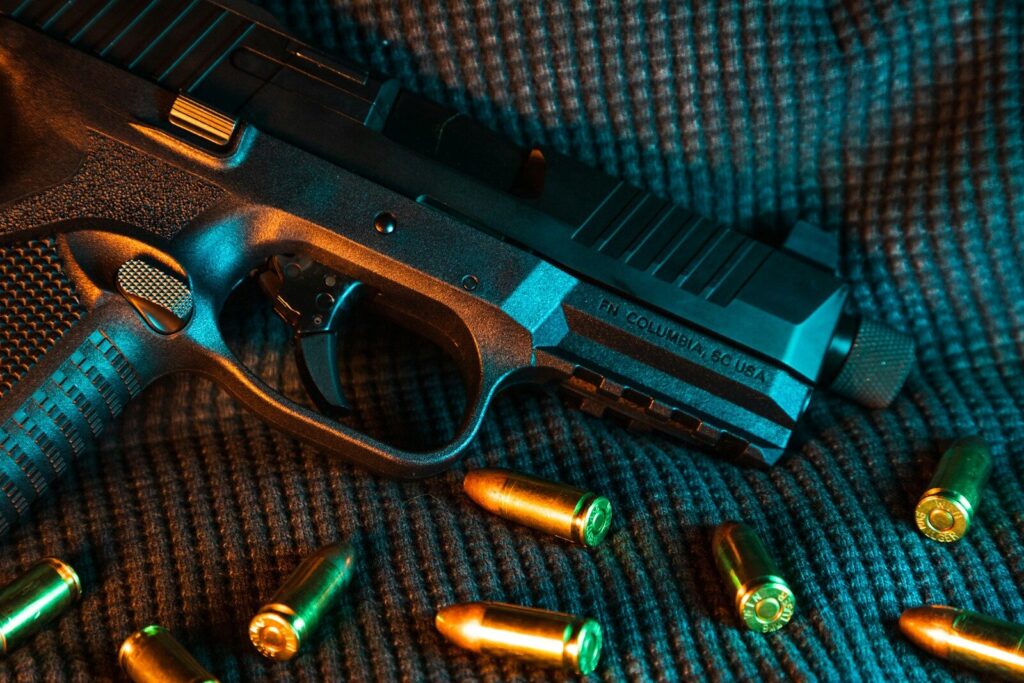
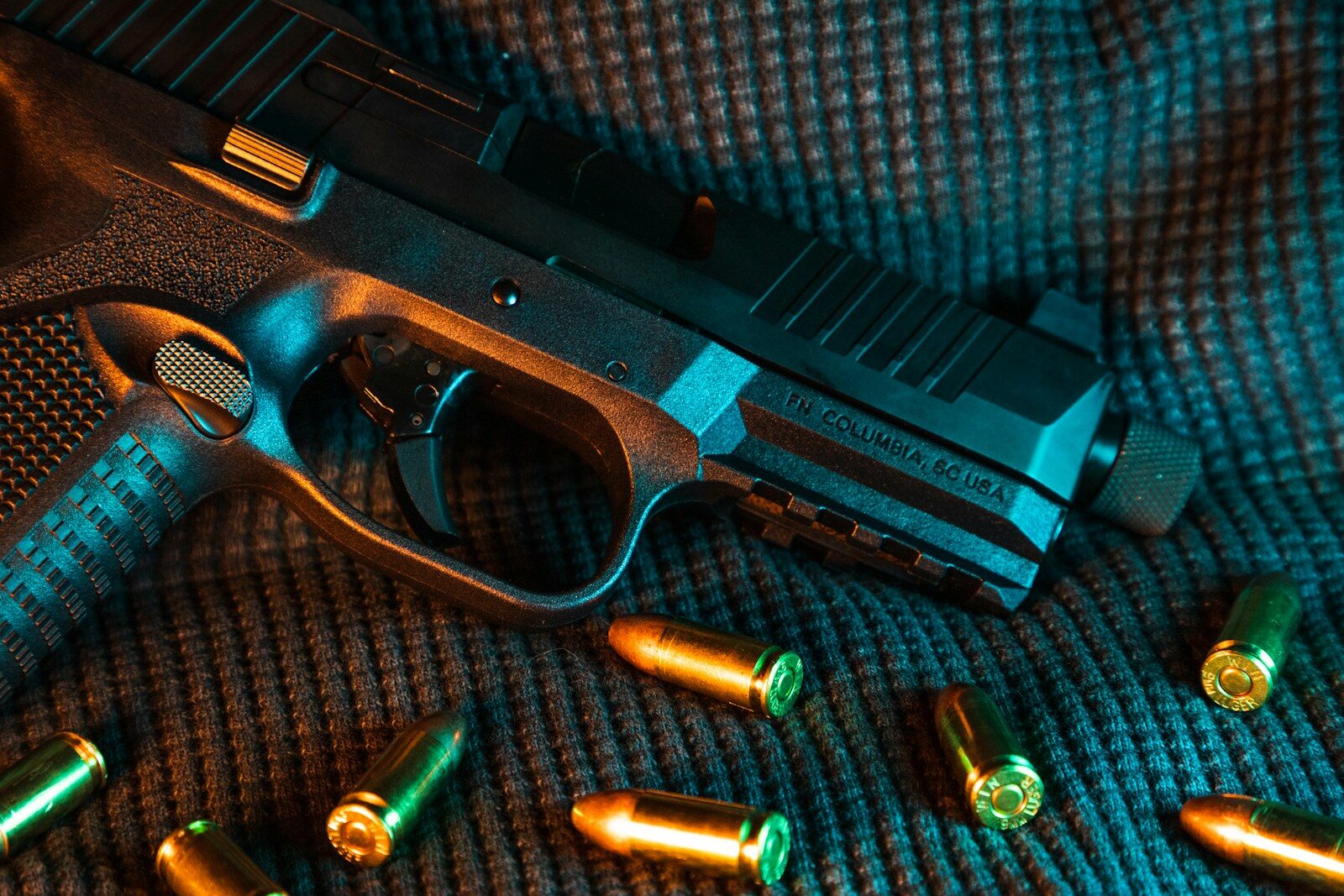
For decades, the 9mm vs. .45 ACP debate has been one of the most enduring arguments in the defensive shooting world. The .45 ACP, especially in its traditional 230-grain loading, built a reputation for heavy-hitting performance and strong stopping power. But modern bullet design has changed the conversation.
Today’s standard-pressure 9mm defensive rounds routinely deliver expansion and penetration that meet — and often match — the performance of many traditional .45 ACP loads in calibrated ballistic gel testing.
Here are five of the top standard-pressure 9mm rounds that consistently perform at a high level.
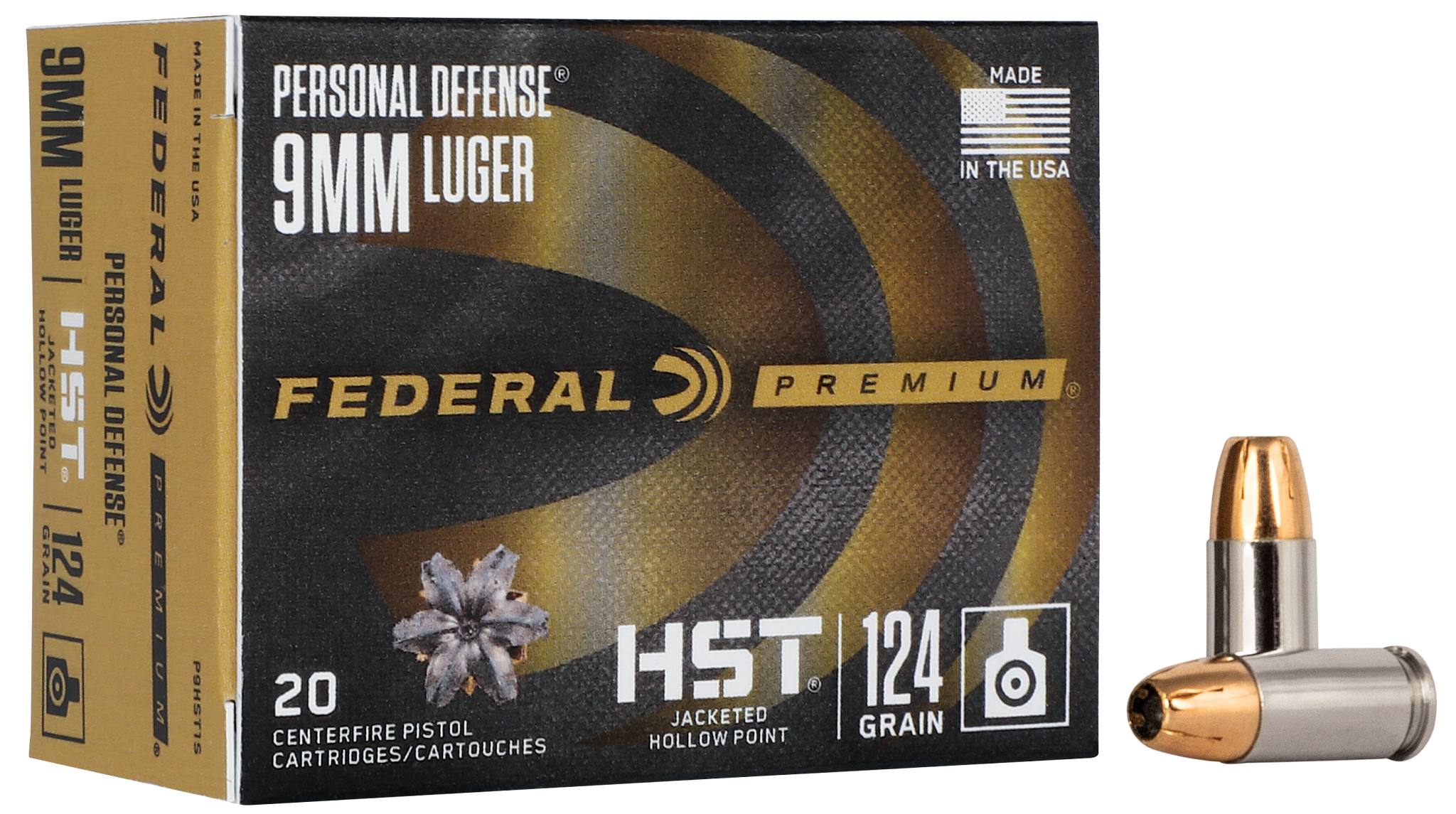
1. Federal HST 124 gr JHP (Standard Pressure)
Federal’s HST line has earned a reputation for reliability and consistent terminal performance. The 124-grain standard-pressure variant strikes a balance between velocity and bullet weight, offering dependable expansion across a wide range of conditions.
Why it stands out:
-
Excellent expansion in calibrated gel
-
Consistent penetration in the commonly cited 12–18 inch range
-
Strong real-world adoption by law enforcement agencies
-
Reliable feeding in many handgun platforms
The HST’s jacket design promotes controlled expansion while maintaining mass, helping it perform consistently through light clothing and intermediate barriers. For many shooters, it represents one of the most balanced standard-pressure 9mm options available.
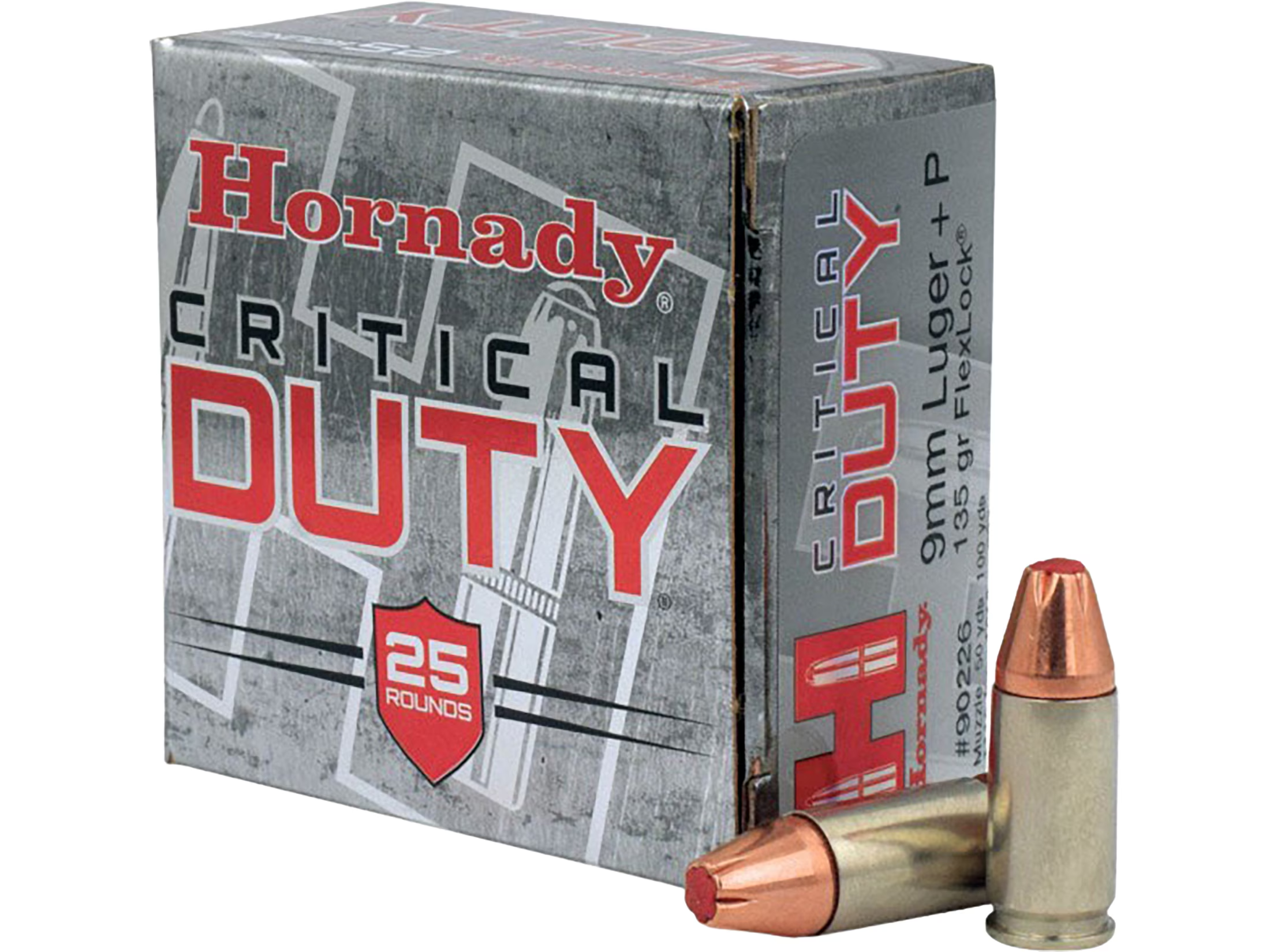
2. Hornady Critical Duty 135 gr JHP (Standard Pressure Options Available)
Hornady’s Critical Duty line was engineered with duty use in mind, and the 135-grain version has become especially well-known. While often found in +P variants, standard-pressure options within the Critical Duty lineup are available and offer strong performance without increased recoil.
Why it stands out:
-
Designed to perform reliably through barriers
-
Controlled expansion with solid penetration
-
Heavier bullet weight for added momentum
The FlexLock bullet design helps prevent clogging when passing through heavy clothing, which can be critical in maintaining consistent expansion. For shooters seeking slightly heavier 9mm projectiles without stepping into +P pressures, this is a strong contender.
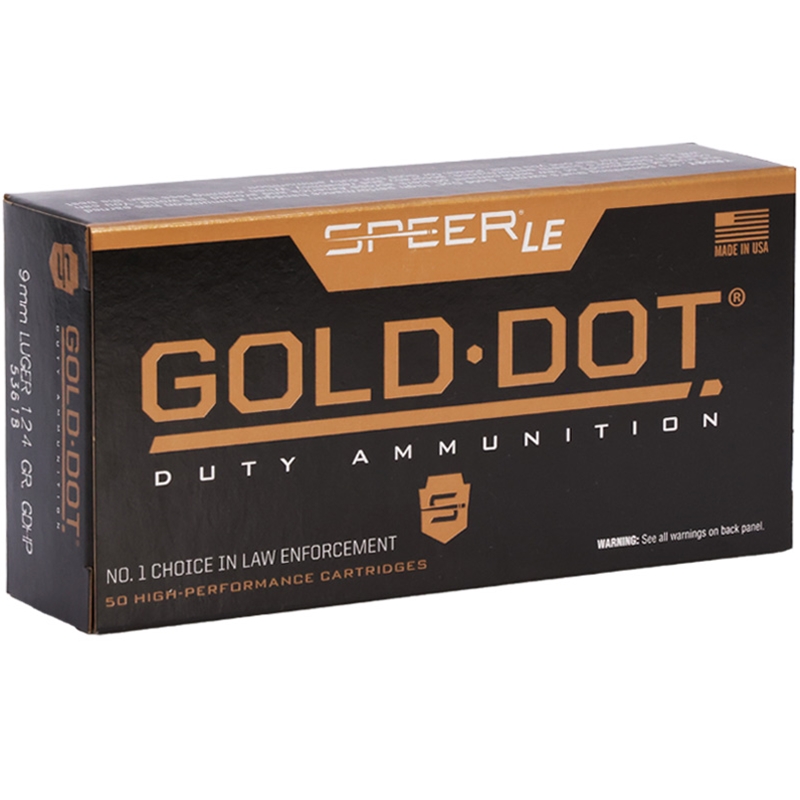
3. Speer Gold Dot 124 gr JHP (Standard Pressure)
Speer Gold Dot is one of the longest-running and most trusted defensive loads in the market. The 124-grain standard-pressure version offers predictable expansion and dependable penetration.
Why it stands out:
-
Bonded jacket design reduces core-jacket separation
-
Consistent expansion across various test media
-
Widely used by law enforcement
The bonded construction helps the bullet retain weight and maintain structural integrity as it expands. That consistency has made Gold Dot a staple choice among professionals and civilian carriers alike.
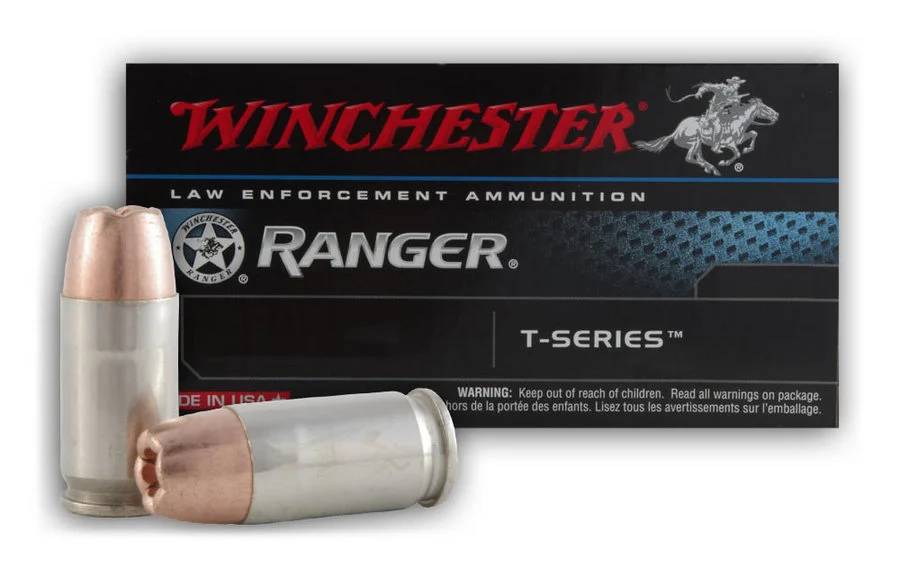
4. Winchester Ranger T-Series 127 gr JHP (Standard Pressure)
The Ranger T-Series, formerly associated with the SXT lineage, has a long track record in law enforcement circles. The 127-grain standard-pressure version provides a slightly heavier bullet weight than the typical 124-grain load while maintaining manageable recoil.
Why it stands out:
-
Strong expansion characteristics
-
Reliable penetration in duty testing
-
Proven field history
The distinctive petal design is engineered to promote controlled expansion. For shooters seeking a heavier-than-average 9mm without jumping to 147 grains, the 127-grain Ranger T-Series fills a useful niche.
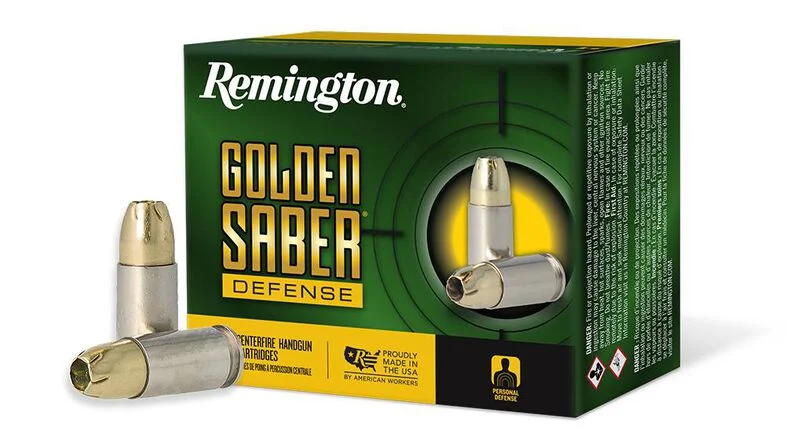
5. Remington Golden Saber 124 gr JHP (Standard Pressure)
Remington’s Golden Saber has been on the market for years and continues to offer balanced performance in the 124-grain standard-pressure configuration.
Why it stands out:
-
Reliable expansion
-
Solid penetration in typical gel testing
-
Manageable recoil
Golden Saber’s jacket design supports expansion while helping maintain bullet integrity. While newer designs sometimes grab headlines, Golden Saber remains a proven option with a long service history.
How Modern 9mm Compares to .45 ACP
Traditional .45 ACP 230-grain loads built their reputation on bullet mass and diameter. However, modern 9mm hollow points benefit from decades of advancements in projectile engineering.
In many calibrated ballistic gel tests, high-quality standard-pressure 9mm rounds achieve:
-
12–18 inches of penetration (a commonly cited performance benchmark)
-
Consistent expansion to significantly larger diameters than their original bore size
-
Weight retention sufficient to maintain terminal performance
The result? In practical testing, many modern 9mm loads perform on par with — and sometimes exceed — older .45 ACP defensive loads in terms of penetration and expansion.
Add in the typical advantages of 9mm — higher magazine capacity, lighter recoil, and faster follow-up shots — and it’s easy to see why many agencies and civilian carriers have moved toward 9mm platforms.
Practical Considerations
No defensive round performs identically in every handgun. Barrel length, feed ramp geometry, recoil spring weight, and magazine design can all influence reliability.
Before relying on any defensive load:
-
Test it in your specific firearm
-
Confirm reliable feeding and extraction
-
Evaluate point of impact and grouping
-
Ensure recoil remains controllable for follow-up shots
Standard-pressure loads can also offer benefits for shooters sensitive to recoil or using compact platforms where +P loads may increase wear.
Final Thoughts
The debate between 9mm and .45 ACP isn’t likely to disappear anytime soon. But modern standard-pressure 9mm ammunition has narrowed — and in many cases erased — the performance gap that once fueled the argument.
With thoughtful bullet design and consistent penetration standards, today’s 9mm loads provide serious defensive capability without the need for increased pressure or heavier calibers.
The key isn’t caliber alone.
It’s choosing a proven load, confirming reliability in your firearm, and training until performance matters more than theory.