

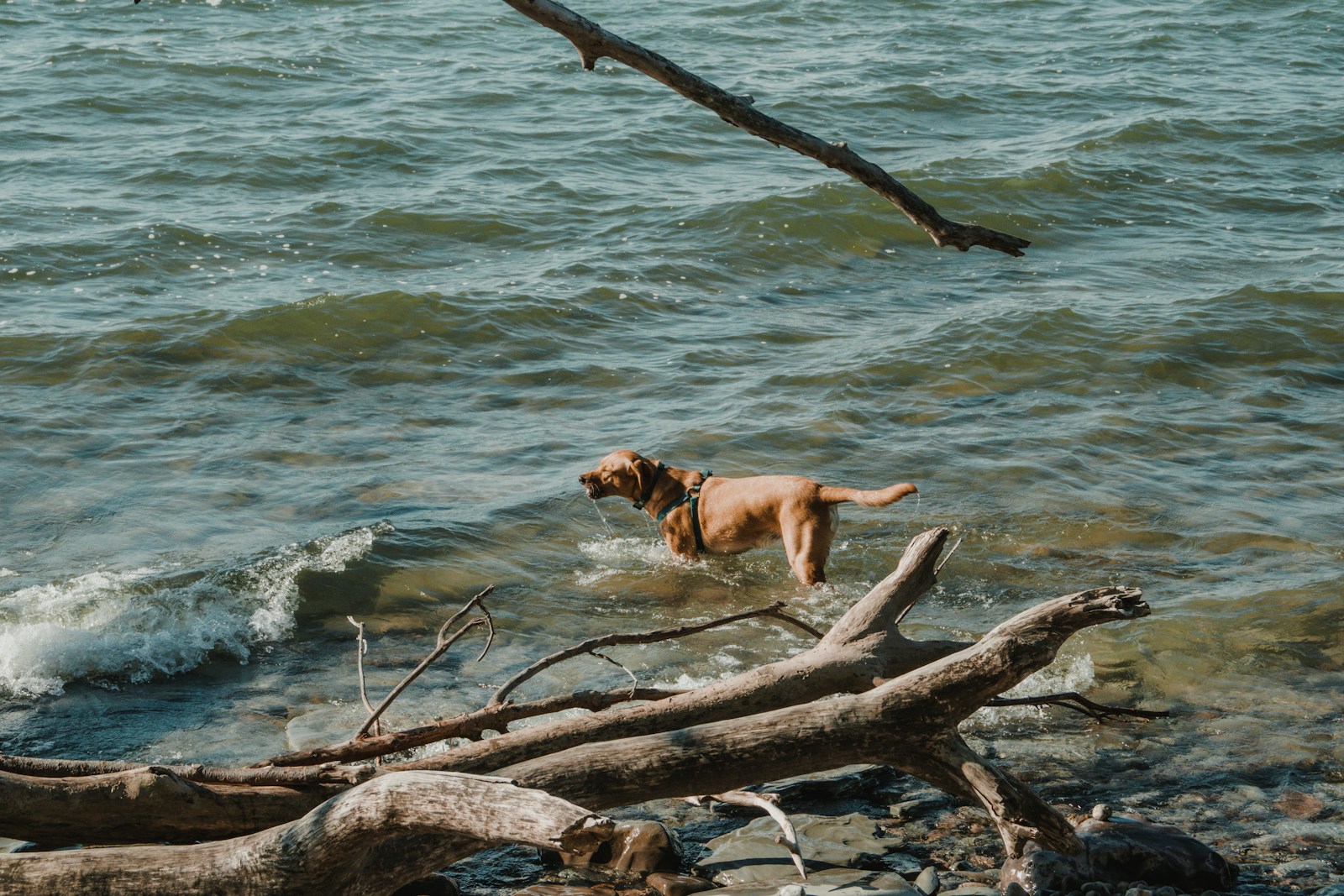
A concerning parasite that can cause serious illness in dogs has been identified in the Lake Mead National Recreation Area, prompting caution from wildlife officials and veterinarians. While the risk remains low, understanding what this parasite is, how it spreads, and how to protect your dog is important — especially if you’re planning outdoor adventures near fresh water around Lake Mead or Lake Mohave.
What Was Found Near Lake Mead?
Recent surveys conducted by the National Park Service (NPS) detected signs of a parasite called Heterobilharzia americana — a type of flatworm that causes canine schistosomiasis — in the Lake Mead and Lake Mohave areas. Scientists found parasite eggs in wildlife fecal samples, particularly from raccoons, indicating that the parasite is circulating in the local environment.
This parasite was previously known primarily in the Gulf Coast and southern states, but recent cases of infected dogs near the Colorado River in southern California show that the organism has spread farther west than previously documented.
How Dogs Become Infected
Heterobilharzia americana has a complex life cycle involving freshwater snails as intermediate hosts and mammals like raccoons as final hosts. Dogs can become infected when larvae in contaminated freshwater enter through their skin while swimming, wading, or drinking.
Inside a dog’s body, the parasite can migrate through blood vessels to the liver and intestines, where it lays eggs. This can trigger severe inflammation and damage, leading to a condition known as canine schistosomiasis.
Though rare, the disease can be serious and even life-threatening if untreated — causing symptoms that include lethargy, diarrhea, vomiting, increased thirst or urination, loss of appetite, and weight loss.
How Likely Is Infection at Lake Mead?
Experts stress that the overall risk to dogs at Lake Mead and Lake Mohave is currently low. A two-year survey across nearly 30 sites collected more than 1,300 freshwater snails — many of which can serve as hosts — but none were found infected during testing.
However, parasite eggs appearing in raccoon feces shows that the organism is present in the environment. Since the snails that support its life cycle tend to be rare and are associated with specific habitat like submerged vegetation (cattails, marshy edges, and riverbanks), NPS researchers believe that conditions for widespread transmission are limited around the open reservoir areas.
Despite this, officials advise caution because local veterinarians may not always test for this parasite, meaning some cases could go unrecognized.
What to Watch For
If your dog has contact with freshwater in or near Lake Mead, especially around areas with emergent vegetation like cattails, it’s wise to monitor them closely. Symptoms of canine schistosomiasis can resemble other illnesses, so veterinary care is critical if you notice any changes after water exposure.
Signs to watch for include:
-
Lethargy or unusual tiredness
-
Loss of appetite or weight loss
-
Vomiting or diarrhea
-
Changes in thirst or urination
-
Abdominal pain or bloating
Prompt testing and treatment can make a significant difference in outcomes.
How to Protect Your Dog
While the parasite risk near Lake Mead is low, it’s best to take simple precautions:
-
Avoid letting your dog swim or wade in freshwater areas with vegetation, especially near riverbanks and shallow coves where snails may live.
-
Rinse your dog off after freshwater exposure — even if they didn’t swim.
-
Keep an eye out for symptoms and consult a veterinarian if anything seems off.
It’s also worth noting that the parasite does not spread from dogs to humans, and human infection is not considered a significant risk. In rare cases, water exposure can cause mild skin irritation known as swimmer’s itch, but this typically resolves on its own.
A Reminder for Outdoor Lovers
Lake Mead and its surrounding waterways remain a favorite destination for boating, hiking, and enjoying the outdoors. Awareness and a bit of caution are key to keeping your four-legged companions safe while you explore.
If your dog does get exposed and shows signs of illness, early veterinary evaluation is essential. With attention and care, most adventures at Lake Mead can still be fun and healthy for both you and your canine sidekick