
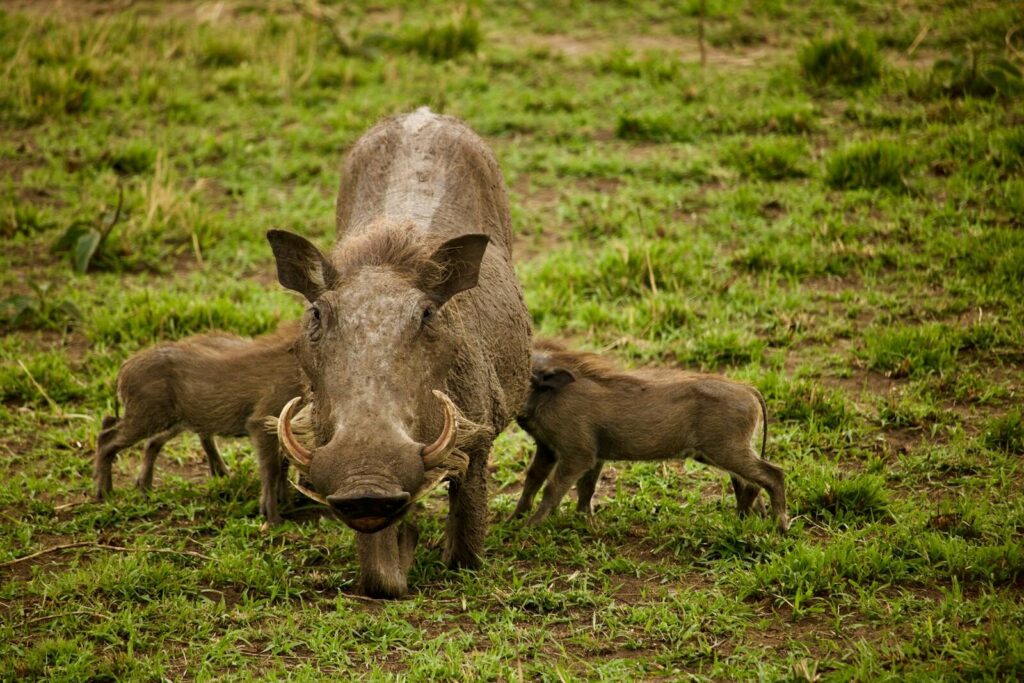
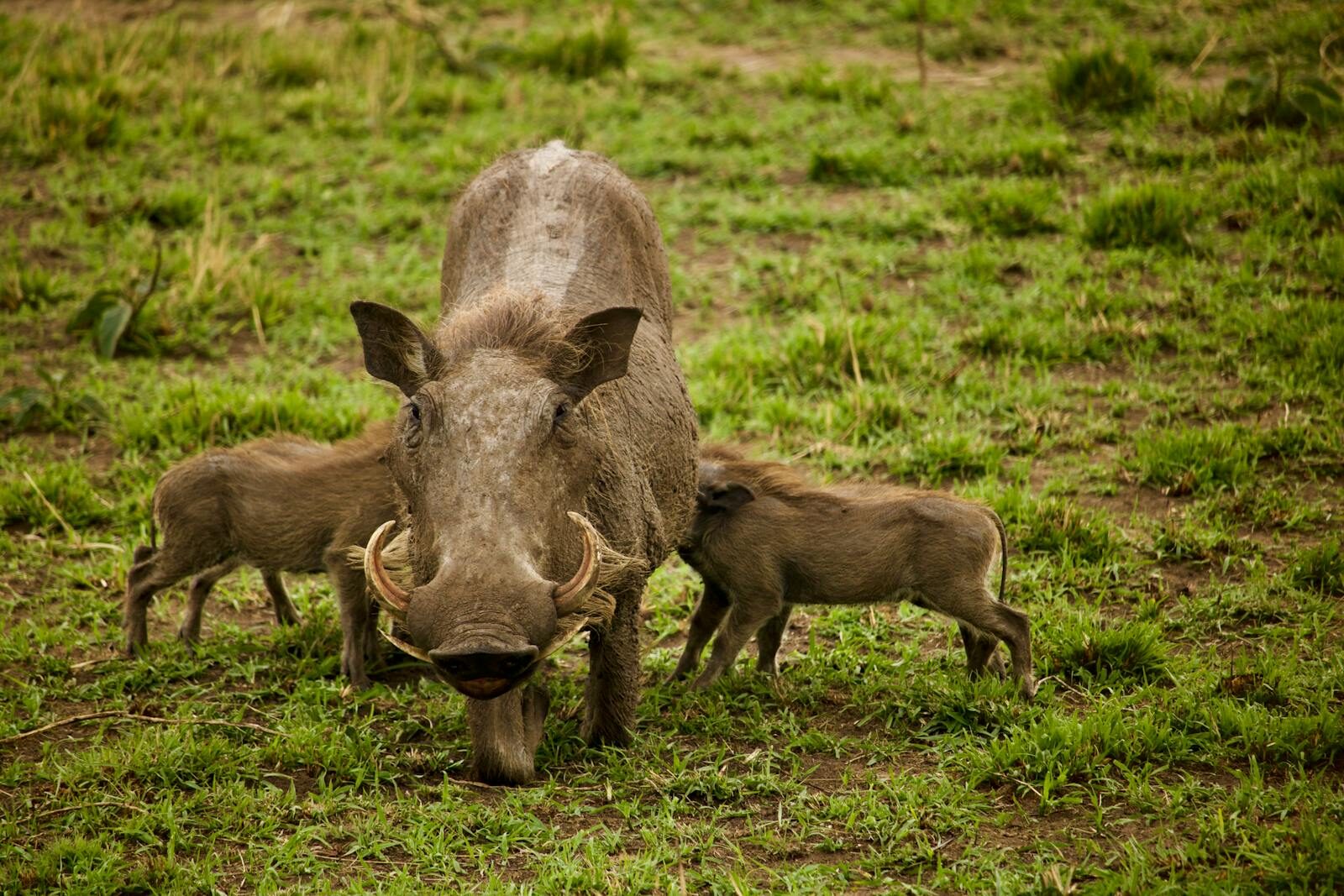
If you’ve been hearing talk about “warthogs in Texas,” it’s not just internet rumor anymore. What once started as isolated exotic animal escapes has turned into confirmed, free-ranging populations of African warthogs roaming parts of South Texas.
No—they weren’t native. And no—they didn’t suddenly migrate here from Africa on their own. But these hardy animals have carved out a foothold in the brush country of the Texas South Plains.
How Warthogs Got Loose in Texas
African warthogs (Phacochoerus africanus) are native to the savannas of sub-Saharan Africa, where they use burrows and dense brush to avoid predators. In Texas, some of those animals were originally brought in for exotic game ranches and private hunts in the 1990s and early 2000s.
Unlike penned native livestock, warthogs proved to be expert escape artists — digging under fences designed to hold them and slipping into the wild. Over time, these escapees established self-sustaining populations in the wild, with the first confirmed free-range sightings and harvests documented in counties such as Dimmit, La Salle, and McMullen.
Once released into habitat that resembles their native environment — warm, semi-arid brushland with plentiful forage and water sources — warthogs began to reproduce and spread.
Where They’re Roaming Now
Most confirmed sightings and harvests of wild warthogs have occurred in South Texas, particularly:
-
Dimmit County
-
La Salle County
-
McMullen County
-
Zavala County
…and occasional sightings farther afield, including Duval County.
This region’s landscape — warm year-round with loose soils and brush cover — closely mirrors the warthog’s African range, allowing them to thrive where colder parts of Texas would limit success.
What Makes Them Different from Feral Hogs?
Many Texans are familiar with feral hogs, arguably the Lone Star State’s most destructive invasive species. Feral pigs reproduce rapidly and have been a significant ecological and agricultural problem for decades.
Warthogs, on the other hand, breed more slowly — typically one litter per year with 2–4 piglets — but they still pose concerns because they have few natural predators in Texas and can establish stable populations.
They are also physically distinct: warthogs have elongated snouts, prominent tusks, and a leaner build compared to feral hogs. Their burrowing habits and daytime activity patterns differ as well, making them a uniquely challenging presence on the landscape.
Why Their Presence Matters
Warthogs in the wild are classified in Texas as exotic, non-game animals, meaning they are not protected by game laws and can be harvested year-round by landowners or hunters with permission. But their establishment raises real questions about ecosystem balance and long-term impact.
Potential concerns include:
-
Competition with native wildlife for forage and habitat
-
Soil disturbance and burrowing damage to rangeland
-
Disease transmission risks to livestock
-
Alteration of sensitive habitats without natural predation to check populations
While they aren’t yet as widespread or destructive as feral hogs, warthogs represent another exotic species that could further complicate wildlife management in Texas.
A New Chapter in Texas Wildlife
Texas has a long history with non-native animals, from axis deer and nilgai to oryx and blackbuck. Warthogs are just the latest example of how introduced species can move beyond containment and become part of the landscape — for better or worse.
For hunters, landowners, and wildlife managers, the growing presence of warthogs in South Texas is no longer a curiosity — it’s a reality worth watching.
They might not be indigenous Texas wildlife, but they are part of the state’s evolving ecological story.
Are they cleared to eat?
I see on TV Wild Predators animals in Alekebulan love to eat them.