
You need clear, practical information about chronic wasting disease (CWD) in Texas and what it means for hunting, land management, and public health precautions. CWD is a fatal neurological disease of deer and elk that has prompted new carcass movement limits, mandatory testing in some areas, and localized containment efforts — learn what rules and actions apply to you and your activities.
Know where CWD has been detected, which zones require reporting or testing, and how carcass transport rules affect taxidermy and processing. The next sections explain how the disease spreads, which Texas counties and management zones currently matter, and what steps state agencies recommend to reduce risk and comply with regulations.
Stay informed about voluntary and required sampling, waivers for transporting heads to taxidermists, and how to find check stations or online releases before you move harvested animals. Practical guidance on these actions will help you protect wild herds and avoid violating Texas regulations.
Understanding Chronic Wasting Disease in Texas
CWD is a fatal, transmissible brain disease that slowly weakens infected cervids, and its presence in Texas affects both wild and captive deer management, hunting rules, and property practices.
What Is Chronic Wasting Disease (CWD)?
CWD is caused by misfolded proteins called prions that destroy neural tissue in deer and elk. You will not see symptoms early; animals can shed prions before they look sick, which makes detection and control difficult.
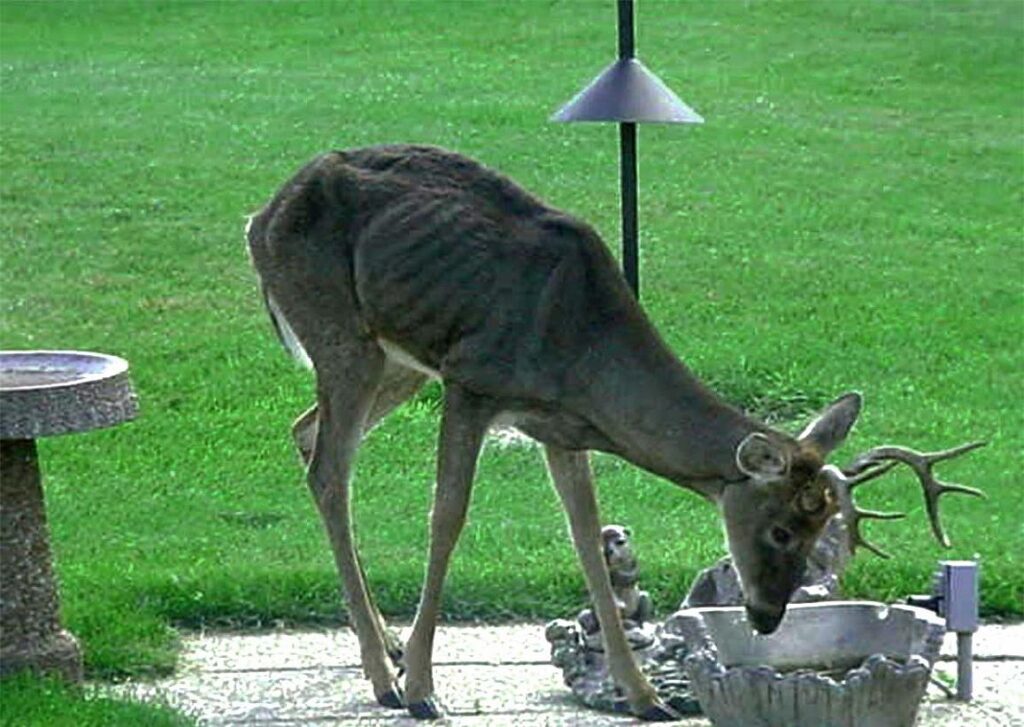
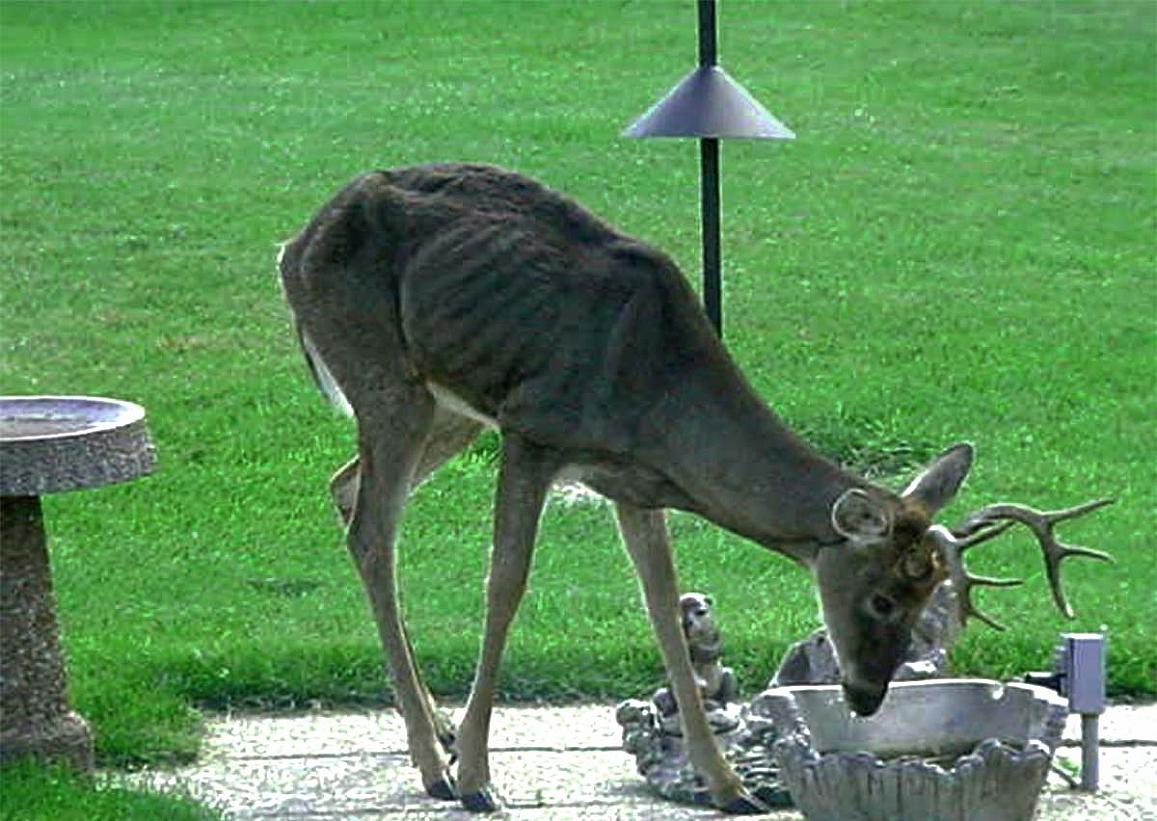
Symptoms you can spot late include weight loss, listlessness, drooling, abnormal posture, and stumbling. Diagnosis requires lab testing of brain or lymph tissue; field observations alone are not definitive.
Prions persist in soil and on surfaces for years and resist standard disinfection. That means contaminated environments can infect other deer months to years later, complicating eradication efforts.
History and Spread of CWD in Texas
CWD was first detected in Texas in 2012 in a free-ranging mule deer in West Texas and later in captive white-tailed deer in 2015. Since then, the number of confirmed cases has increased in both captive facilities and wild populations.
Management responses have included increased surveillance, mandatory reporting, and targeted testing programs on hunter-harvested and found-dead animals. You should follow local testing and carcass movement rules to avoid unintentionally spreading prions.
Captive deer breeding operations have contributed to spread when infected animals or equipment move between facilities. Wildlife agencies track cases and adjust regulations; staying informed through agency updates helps you comply with changing requirements.
Species Affected and Regional Distribution
CWD affects cervids: white-tailed deer, mule deer, elk, and several exotic deer species kept in Texas. White-tailed deer represent the largest Texas population at risk because of their distribution and density across the state.
Regional case clusters concentrate in parts of West and North Texas but have been documented in multiple counties. You should check county-level updates from state wildlife authorities before moving carcasses or releasing captive animals.
Captive facilities with intensive breeding and animal movement elevate local risk. Hunters, landowners, and breeders should follow testing and transport restrictions to limit spread between regions.
Risks to Texas Deer Populations
CWD can reduce survival and reproduction over time, especially in high-density herds where transmission is most efficient. You should expect long-term population declines in affected herds if prions become established in the environment.
Economic and recreational impacts include reduced hunter participation, management costs, and effects on ranching operations that rely on healthy deer. Local economies that depend on hunting and wildlife tourism can feel these impacts within years of establishment.
Because eradication is unlikely once CWD is entrenched, your best defenses are prevention, early detection through testing, and strict biosecurity in captive operations. Follow testing protocols, carcass handling rules, and agency guidance to protect Texas white-tailed deer and other cervids.
CWD Management and Public Guidance
You need clear, actionable steps for protecting deer populations, following rules when hunting, and reporting suspected cases. The guidance below explains who manages CWD, what testing and zones mean for you, and how to handle harvested deer to reduce spread.
Texas Parks and Wildlife Department’s Response
TPWD works with the Texas Animal Health Commission to monitor and manage CWD in wild and captive cervids. You will see targeted surveillance, public outreach, and adjustments to hunting regulations where positive detections occur. TPWD directs field sampling of hunter-harvested deer in affected areas and posts updates about new containment or surveillance zones.
If you hunt or own land with deer, expect increased signage, voluntary check stations, and requests to submit heads or lymph nodes for testing. TPWD also coordinates with local biologists on herd-health assessments and may recommend population management actions in zones with sustained detections. You should follow TPWD guidance posted online and at point-of-contact locations.
Testing Requirements and CWD Surveillance Zones
When agencies detect CWD, they create surveillance and containment zones with specific testing and movement rules. You must know whether the county where you hunt is under a surveillance or containment designation because those statuses determine sampling expectations and restrictions on carcass movement.
TPWD and TAHC require submission of tissues from hunter-harvested deer in many zones; voluntary check stations often accept samples. Positive cases trigger expanded testing in neighboring properties and may lead to longer-term surveillance. Consult TPWD’s CWD pages for current maps and lists of affected counties so you can confirm testing requirements before you transport or process a deer.
Hunting Rules, Carcass Movement, and Disposal Guidelines
You must follow carcass movement restrictions to limit environmental contamination and cross-county spread. Common rules prohibit moving high-risk parts — brain, spinal cord, lymph nodes, and spleen — out of CWD containment zones. Whole carcass transport may also be restricted from some zones; check the specific county rules before leaving the field.
For processing, use approved disposal methods: burying deep on-site where allowed, consigning to landfill per local rules, or using incineration services if available. TPWD recommends wearing gloves when field-dressing, minimizing brain and spinal cord exposure, and not consuming meat from animals that test positive. Use TPWD’s voluntary check stations for sample submission and to get guidance on legal carcass disposal and transport in affected areas.