
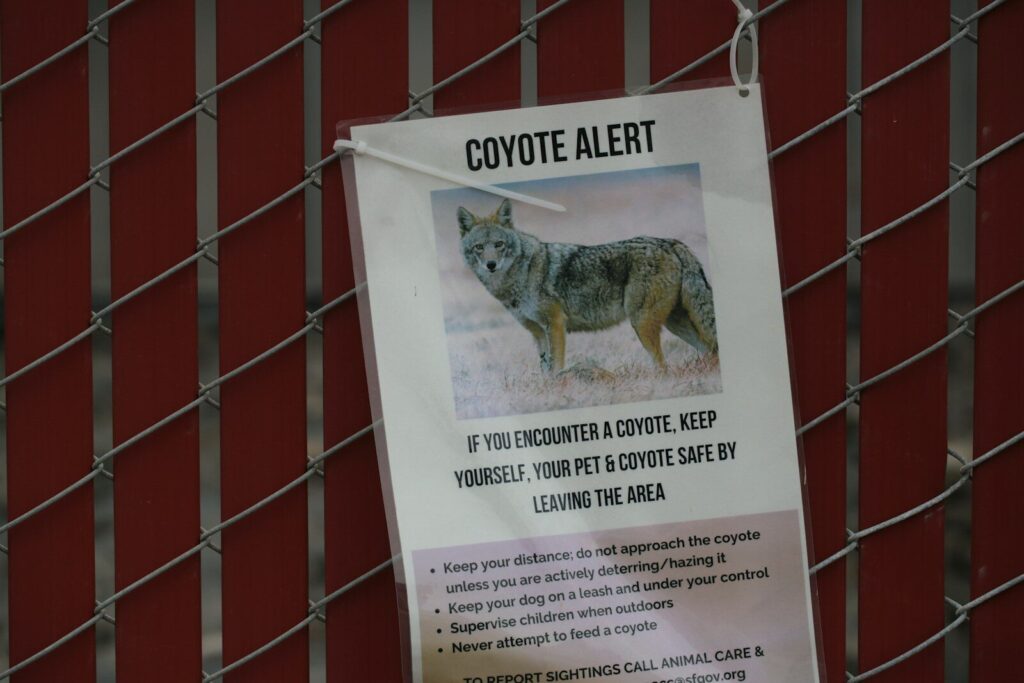
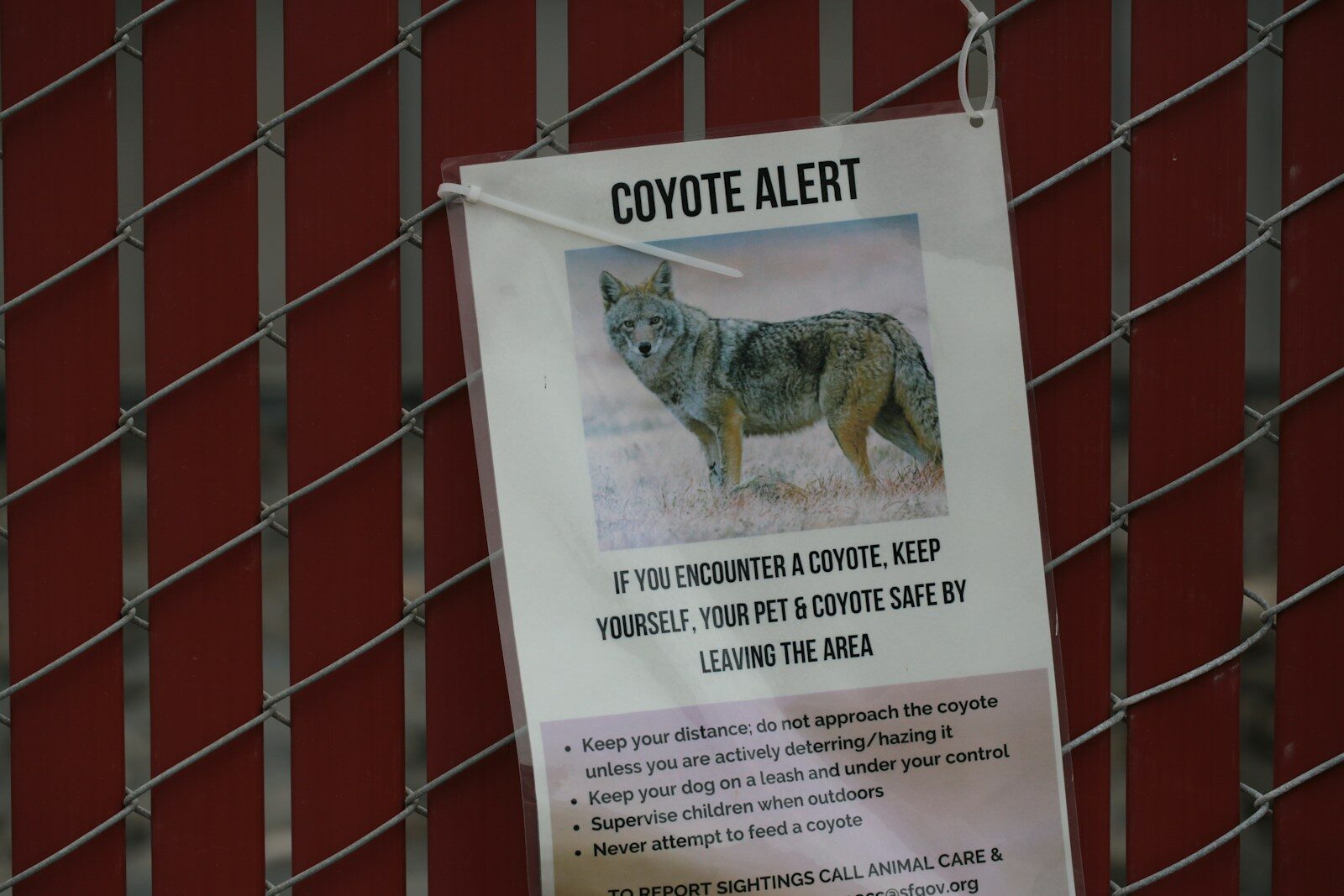
As urban and suburban landscapes expand, so does contact between people, their pets, and wildlife — especially coyotes. While these adaptable canines play an important ecological role, conflicts between coyotes and domestic animals have become a growing concern in many communities across North America.
Coyotes (Canis latrans) are a native predator that have successfully expanded into cities, suburbs, and rural fringes alike. Unlike many large predators that avoid humans, coyotes have adapted to human-dominated environments, taking advantage of food sources like rodents, fruit trees, garbage, and even unattended pet food — which can pull them closer into our neighborhoods.
Why Coyotes Target Pets
One of the most common sources of human-wildlife conflict involving coyotes is attacks on domestic pets. Research from the Chicago metropolitan area shows that coyotes have been implicated in thousands of attacks on dogs and cats over time. Smaller dogs are most frequently targeted, though larger breeds have also been attacked, sometimes by multiple coyotes working together.
Coyotes are opportunistic predators. In the wild, their diet includes rodents, rabbits, and birds — but that flexibility also makes pets a potential target, especially small dogs and outdoor cats left unattended. These attacks often occur just outside homes, in backyards, or on walks in parks.
Patterns in Coyote Conflicts
Studies show that coyote-pet interactions — and attacks — have increased as coyotes have become more common in urban spaces. National research on coyote attacks going back decades indicates that reported incidents have risen from only a couple each year in the early 1990s to multiple incidents annually in many populated areas.
Conflicts tend to cluster in areas where coyotes can easily find food and cover — including parks, green spaces, and neighborhoods with accessible trash or pet food. Attacks are often more frequent during late fall through early spring, aligning with coyote breeding and pup-rearing seasons when adults are more active and territorial.
Understanding the Risk
It’s important to note that actual attacks on humans remain very rare; nearly all documented conflicts involve pets rather than people. Most coyote encounters do not result in serious injury, and healthy coyotes tend to avoid direct conflict with humans.
But for pet owners, the risk is real enough — and it shapes how communities manage wildlife. Attacks on pets often prompt strong emotional reactions and calls for action, sometimes leading to lethal control measures.
Experts caution that simply removing coyotes does not always solve the problem long term. Coyotes are highly adaptable and can quickly repopulate areas where individuals are removed. In many cases, repeated removal actually increases the overall population because it opens territory for new animals.
Prevention and Coexistence
Rather than assuming all coyotes pose a direct threat, wildlife biologists emphasize the importance of understanding coyote behavior and taking steps to reduce conflict risks.
Some recommended measures include:
-
Keeping pets indoors or closely supervised, especially at dawn and dusk when coyotes are most active.
-
Keeping dogs on a short leash during walks, especially in natural areas and parks.
-
Avoiding leaving food outdoors, including pet food, unsecured garbage, and compost.
-
Installing fences at least six feet tall with outward-bending tops to deter coyotes from entering yards.
-
Removing attractants such as bird feeders, fruit trees, or open compost bins.
Educating communities about coyote behavior and ecology can also reduce fear and improve coexistence. Research shows that language and perception matter — framing coyotes as dangerous “others” can exacerbate conflict, whereas understanding them as part of the local ecosystem promotes more balanced management strategies.
A Persistent Urban Issue
As human populations grow and cities continue to encroach on natural habitat, coyotes are likely to remain a fixture in many neighborhoods. Their ability to thrive in human landscapes means pets and wildlife managers alike must adapt.
Coyotes may be neighbors we didn’t invite — but with thoughtful preparation and awareness, many conflicts, especially pet losses, can be avoided.
Awareness, responsible pet care, and community-based coexistence strategies — not fear — are key to living alongside these resilient predators.