
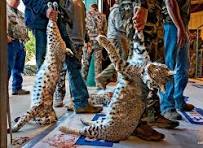
Predator hunting contests have been a long-standing tradition in rural communities across the United States, especially in regions where coyotes, foxes, and other predators are abundant. For some hunters, these events are simply another extension of wildlife management and outdoor culture. For others, they represent a flashpoint in an increasingly heated debate over ethics, conservation, and modern hunting practices.
At their core, predator hunting contests are organized competitions where participants attempt to harvest the most predators—or sometimes the largest predator—within a set timeframe. These events often last anywhere from a single night to an entire weekend. Hunters register in advance, pay an entry fee, and compete for prizes that can range from cash payouts to hunting gear, firearms, or sponsored merchandise.
Coyotes are by far the most common target species in these contests. Their populations have expanded dramatically over the past century, thanks in part to their adaptability and the decline of larger apex predators such as wolves. Today, coyotes can be found in nearly every U.S. state, from remote ranchlands to suburban neighborhoods. Their presence has created ongoing conflicts with livestock producers, pet owners, and wildlife managers.
For ranchers and farmers, predator hunting contests are often seen as a practical tool to help reduce livestock losses. Coyotes are known to prey on calves, lambs, goats, and poultry, sometimes causing significant financial damage. In areas with heavy livestock production, predator control has long been part of land management, and contests are viewed as a way to encourage more hunters to participate.
Many hunters who compete in these events consider themselves conservationists. They argue that predator populations, particularly coyotes, are resilient and capable of sustaining hunting pressure. Unlike some game species that require strict harvest limits, coyotes often have few restrictions due to their high reproductive rates. A single breeding pair can produce multiple pups each year, and when populations are reduced, coyotes can actually increase their breeding rates in response.
Contests themselves are typically highly organized. Participants gather at a central location for registration and rule briefings before heading out across public and private lands. Hunters use a wide range of tools and techniques, including predator calls that mimic distressed prey animals, electronic callers, thermal scopes for nighttime hunting, and precision rifles designed for long-range shooting.
At the end of the contest, hunters return to a designated check-in location where animals are counted, measured, and sometimes weighed. Prizes are awarded based on categories such as total number harvested, heaviest animal, or even smallest animal, depending on the specific contest rules. In some cases, team competitions are held, encouraging hunters to work together strategically.
Despite their popularity in many hunting communities, predator hunting contests have faced growing criticism in recent years. Animal welfare advocates argue that turning predator hunting into a competition encourages excessive killing and removes the focus from responsible wildlife management. Critics also question whether contests actually achieve meaningful population control, pointing to research suggesting that coyotes can quickly repopulate areas where they have been removed.
Some states have begun to respond to these concerns through legislation or regulatory changes. A handful of states, including California, Colorado, and Arizona, have placed restrictions on or banned certain types of wildlife killing contests. These decisions often come after public hearings, scientific reviews, and intense debate between hunters, wildlife officials, and advocacy groups.
Supporters of predator hunting contests counter that hunting itself has always involved skill, competition, and tradition. They argue that these events bring communities together, support local economies, and help maintain interest in hunting among younger generations. Entry fees, travel, lodging, and equipment purchases associated with contests can generate revenue for rural areas.
There is also the cultural aspect to consider. In many parts of the country, predator hunting is part of a broader outdoor heritage passed down through generations. Contests often serve as social gatherings where hunters share stories, techniques, and camaraderie. For participants, the experience goes beyond winning prizes—it’s about tradition and time spent outdoors.
Wildlife biologists remain divided on the effectiveness of contests as a population management tool. Some research suggests that localized removal of coyotes may provide short-term relief for livestock producers, while other studies indicate that long-term population reduction is difficult due to the species’ adaptability. Coyotes can travel long distances and quickly fill vacant territories.
Technology has also transformed predator hunting contests in recent years. Thermal imaging optics, night vision equipment, and high-performance rifles have made hunting more efficient than ever before. These advancements have sparked additional debate about fairness, ethics, and the evolving nature of hunting in the modern era.
Public perception of predator hunting contests often varies based on geography and personal experience. In rural areas where livestock losses are common, support tends to be stronger. In urban and suburban communities, where fewer people have direct experience with predator conflicts, opposition is often more vocal.
As wildlife management continues to evolve, predator hunting contests are likely to remain a topic of debate. Supporters view them as a legitimate and necessary part of predator control and hunting culture. Opponents see them as outdated practices that conflict with modern conservation values.
What’s clear is that predator hunting contests sit at the intersection of tradition, science, ethics, and public opinion. Whether they continue unchanged, become more regulated, or eventually fade away will depend on how wildlife agencies, lawmakers, and the hunting community navigate the ongoing conversation.
For now, in many parts of the country, when winter rolls around and coyote season peaks, hunters still gather before sunrise, calls in hand, ready to test their skills—not just against wary predators, but in a debate that shows no signs of ending anytime soon.