

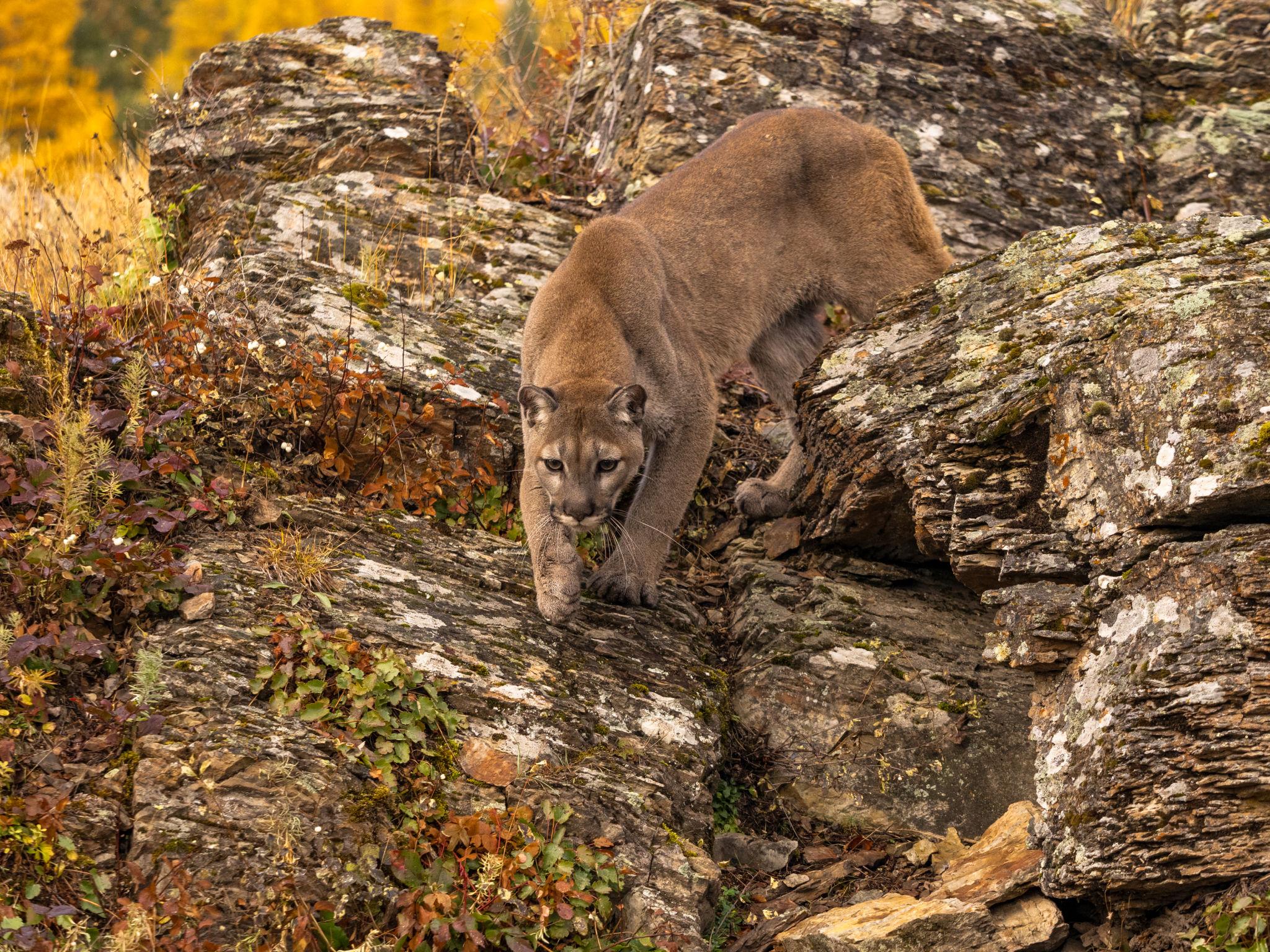
 Mountain lions—also known as cougars, pumas, or panthers—are among North America’s most powerful predators. Their size, strength, and stealth have long fueled fears among hikers, hunters, and rural communities. Yet wildlife experts say the reality of mountain lion attacks on humans is far different from the perception.
While encounters occasionally occur, attacks on people remain extremely rare across the United States and Canada.
According to the Mountain Lion Foundation, fewer than 30 people have been killed by mountain lions in North America in the past 100 years. Over that same period, the group has documented roughly 130 confirmed attacks across the continent.
Understanding the Numbers
Wildlife agencies track cougar incidents carefully, and the data consistently shows that attacks are uncommon.
According to the California Department of Fish and Wildlife, California—home to one of the largest mountain lion populations in the United States—has recorded fewer than 20 verified attacks since 1890.
The agency notes that millions of people hike, hunt, and recreate in mountain lion habitat every year, yet serious encounters remain rare.
Similarly, the Colorado Parks and Wildlife reports that Colorado has documented fewer than two dozen attacks since records began in 1990.
These figures stand in sharp contrast to the millions of outdoor visits made annually in western states where cougars are common.
Why Attacks Happen
Wildlife experts say most mountain lion attacks share a few common factors.
According to research cited by the National Park Service, cougars may attack humans when they mistake people—especially children—for prey.
Running can also trigger a predatory instinct.
Because mountain lions are ambush predators, they rely on surprise and stealth when hunting. Fast movement can cause the animal to react instinctively.
However, most cougars avoid human contact entirely.
The National Park Service notes that mountain lions typically retreat when they detect people.
Where Attacks Are Most Likely
The majority of mountain lion incidents occur in western states where cougar populations are highest.
States such as California, Colorado, Washington, and Utah contain extensive mountain lion habitat.
According to Washington Department of Fish and Wildlife, Washington has documented a small number of attacks over several decades despite a growing cougar population.
Experts say expanding human development into wildlife habitat has increased the chances of encounters.
More hiking trails, rural housing, and outdoor recreation mean people and predators cross paths more frequently.
What Wildlife Officials Recommend
Despite their rarity, wildlife agencies advise people to remain aware when traveling in cougar country.
The California Department of Fish and Wildlife recommends several safety precautions:
-
Never run if you encounter a mountain lion
-
Maintain eye contact and appear larger
-
Pick up small children immediately
-
Slowly back away while facing the animal
Experts also recommend hiking in groups and avoiding dawn or dusk when cougars are most active.
How Dangerous Are Mountain Lions Compared to Other Risks?
When compared to other outdoor hazards, mountain lions pose an extremely small threat.
According to data compiled by the Mountain Lion Foundation, far more people are injured each year by deer collisions, domestic dogs, or lightning strikes than by cougar attacks.
Even snake bites account for significantly more injuries annually.
Wildlife experts say the statistics highlight a key reality: mountain lions are far more likely to avoid humans than attack them.
A Predator That Prefers to Stay Hidden
Mountain lions remain one of North America’s most elusive predators.
They roam vast territories across forests, deserts, and mountains, often without people ever realizing they are nearby.
While rare attacks capture headlines, wildlife officials emphasize that cougars generally pose little danger to humans.
The numbers tell the story.
Despite millions of outdoor encounters every year, mountain lion attacks remain among the rarest wildlife incidents on the continent.
For most people exploring cougar country, the biggest challenge is not avoiding mountain lions—it’s ever seeing one at all.