

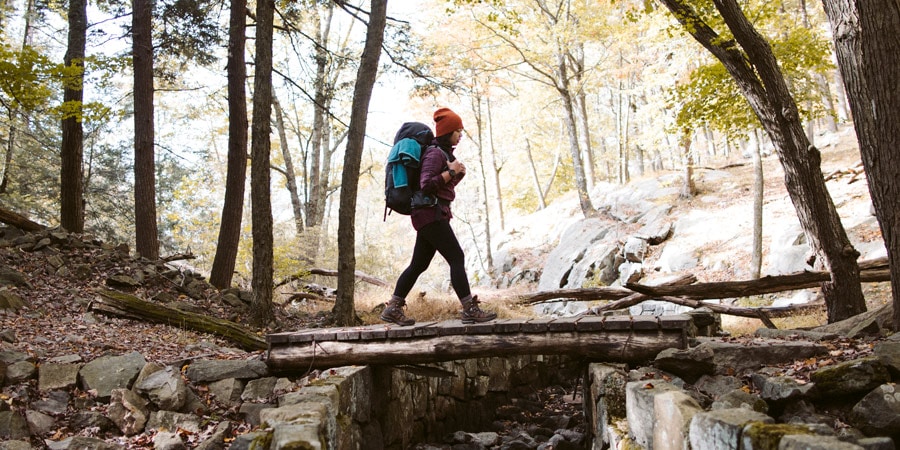
Hiking is one of the easiest ways to experience the outdoors. With millions of Americans visiting trails every year, the activity offers a chance to explore nature, improve physical fitness, and enjoy scenic landscapes. But while hiking may appear simple, it still carries risks—especially for beginners who underestimate how quickly conditions can change in the outdoors.
From unexpected weather shifts to navigation mistakes, many hiking emergencies occur because people venture onto trails unprepared. The National Park Service reports that search and rescue operations in national parks often involve hikers who lacked basic preparation or ignored safety guidelines.
Fortunately, a few simple precautions can dramatically reduce risks and make hiking trips safer and more enjoyable.
Plan Your Route Before You Go
One of the most common mistakes new hikers make is heading out on a trail without researching it first. Trail difficulty, elevation gain, distance, and weather conditions can all impact the safety of a hike.
The National Park Service advises hikers to review trail maps and check current conditions before leaving. Knowing the route, estimated hiking time, and potential hazards can help prevent hikers from becoming lost or overexerted.
Tell Someone Where You Are Going
Before heading out, hikers should always inform a friend or family member about their plans.
Outdoor safety experts at the American Hiking Society recommend sharing the trail location, expected return time, and emergency contact information. If something goes wrong, this information can help search and rescue teams respond more quickly.
Bring the Right Gear
Even short hikes require basic equipment. Essential items include water, a map or GPS device, snacks, weather-appropriate clothing, and a small first-aid kit.
According to the National Park Service, many experienced hikers follow the “Ten Essentials” guideline, which includes items such as navigation tools, sun protection, extra food, and emergency shelter.
Having the proper gear can make a critical difference if weather changes or injuries occur.
Stay on Marked Trails
Straying from established trails increases the risk of getting lost or encountering dangerous terrain.
Trail systems are designed to guide hikers through safe routes while minimizing environmental impact. The National Park Service emphasizes that staying on designated trails helps protect fragile ecosystems while also reducing the likelihood of accidents.
Check the Weather Forecast
Weather conditions in mountainous or wilderness areas can change quickly. Sudden storms, temperature drops, or extreme heat can turn an easy hike into a dangerous situation.
The National Weather Service advises hikers to review forecasts before heading out and be prepared to turn around if weather conditions worsen.
Bring More Water Than You Think You Need
Dehydration is one of the most common health risks for hikers, especially during warm weather.
Outdoor safety experts at the American Hiking Society recommend carrying at least one liter of water for every two hours of hiking. Longer or more strenuous hikes may require significantly more.
Watch for Wildlife
Most wildlife encounters are harmless, but hikers should remain aware of animals in the area.
The National Park Service advises hikers to maintain a safe distance from animals and avoid feeding wildlife. Proper food storage and awareness of surroundings can help prevent dangerous encounters.
Know Your Limits
Perhaps the most important safety rule is understanding personal limits. Beginners should start with shorter trails and gradually increase difficulty as their experience grows.
Overestimating physical ability can lead to exhaustion, injuries, or getting stranded on difficult terrain. Hiking experts at the American Hiking Society recommend choosing trails that match a hiker’s fitness level and experience.
A Safe Hike Is an Enjoyable Hike
Hiking offers an incredible opportunity to experience nature, but safety should always come first. By preparing properly, bringing the right gear, and understanding basic outdoor safety principles, beginners can significantly reduce risks on the trail.
With the right planning and awareness, hiking can become one of the most rewarding outdoor activities available—allowing people to explore beautiful landscapes while staying safe in the wilderness.