

How Weather Changes Deer Movement
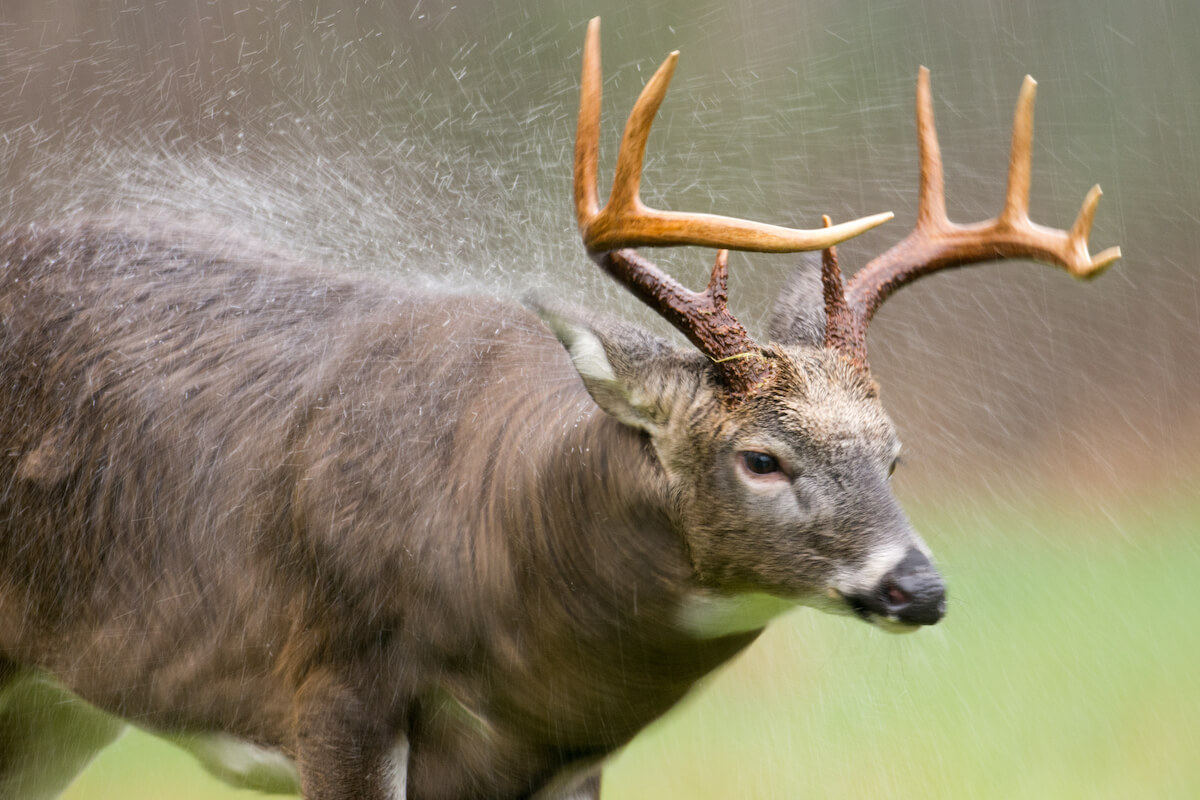
Weather plays a major role in deer behavior, and experienced hunters often pay close attention to changing conditions before heading into the field. While deer move every day to feed, travel, and bed, certain weather patterns can dramatically increase or decrease their daytime activity.
Temperature changes, wind direction, rain, and barometric pressure can all influence when and where deer move. Hunters who learn to recognize these patterns often have a significant advantage in the woods.
According to research summarized by the Pennsylvania Game Commission, weather conditions can influence deer feeding patterns and overall activity levels, which directly impacts when hunters are most likely to encounter animals during legal hunting hours.
Understanding how weather affects deer movement can help hunters choose the most productive times and locations to hunt.
Cold Fronts Often Trigger Deer Movement
One of the most widely discussed weather events among deer hunters is the arrival of a cold front.
A cold front typically brings falling temperatures, rising barometric pressure, and clearer skies. These conditions often occur after a storm system passes through an area. Many hunters report seeing increased deer movement during the first day or two following a cold front.
Wildlife biologists note that cooler temperatures allow deer to move and feed more comfortably without overheating. According to research from the Mississippi State University Deer Lab, deer tend to increase daytime activity when temperatures drop significantly compared to previous days.
For hunters, this means that the first cool morning after a warm period can be an excellent time to be in the stand.
Wind Direction Influences Deer Travel
Wind is another major factor that affects how deer move through their environment.
Whitetail deer rely heavily on their sense of smell to detect predators. Because of this, they often travel with the wind in their favor so they can smell potential danger before it gets too close.
According to wildlife research summarized by the Quality Deer Management Association, mature bucks in particular tend to use wind direction strategically when traveling between bedding areas and feeding locations.
For hunters, understanding wind direction is critical when choosing where to set up. If a hunter’s scent blows directly toward a deer’s travel route, the animal will likely detect danger and avoid the area.
This is why experienced hunters frequently plan stand locations and access routes based on prevailing wind patterns.
Rain Can Change Deer Behavior
Rain can have mixed effects on deer activity depending on the intensity of the storm.
Light rain often encourages deer movement because it reduces noise in the woods and helps mask human scent. The sound of rain hitting leaves and the ground can make it easier for deer to move without being heard.
Additionally, cooler temperatures that often accompany rain can encourage deer to feed.
However, heavy storms with strong winds or intense rainfall may temporarily reduce deer movement as animals seek shelter in thick cover.
According to the Pennsylvania Game Commission, deer typically resume normal activity soon after storms pass, especially when weather conditions begin to stabilize.
For hunters, the hours immediately following a storm can sometimes be surprisingly productive.
Barometric Pressure and Feeding Behavior
Barometric pressure is another weather factor frequently discussed among hunters.
Barometric pressure measures changes in atmospheric pressure, which often rise after storms move through an area.
Some hunters believe rising pressure triggers increased deer feeding activity. While scientific evidence on this topic is still debated, many experienced hunters report seeing more deer movement during periods of stable or rising pressure.
Researchers studying deer behavior at Mississippi State University have noted that changes in weather patterns—including shifts in temperature and pressure—can influence feeding schedules and daily movement patterns.
While pressure alone may not guarantee deer activity, it often coincides with other favorable conditions such as cooler temperatures and calmer weather.
Seasonal Weather Patterns Matter
Weather also affects deer differently depending on the time of year.
During early season hunts, warm temperatures can limit deer movement during daylight hours because deer are more prone to overheating. In these conditions, deer often move mostly during early morning and late evening when temperatures are cooler.
As fall progresses and temperatures drop, deer become more active throughout the day. Cooler weather allows them to move more comfortably while conserving energy.
During the rut, weather conditions can still influence deer movement, but breeding activity often overrides many environmental factors.
Learning to Hunt the Weather
Successful hunters often study weather forecasts carefully before planning a hunt. Understanding how deer respond to changing conditions can help hunters identify the most promising times to be in the woods.
Cold fronts, favorable wind directions, light rain, and cooling temperatures often create conditions that increase deer activity.
While no weather pattern guarantees success, hunters who pay attention to these environmental factors often improve their chances of encountering deer during legal shooting hours.
In the end, the ability to read the weather—and understand how deer respond to it—can be just as important as choosing the right location or equipment when pursuing whitetails in the field.