
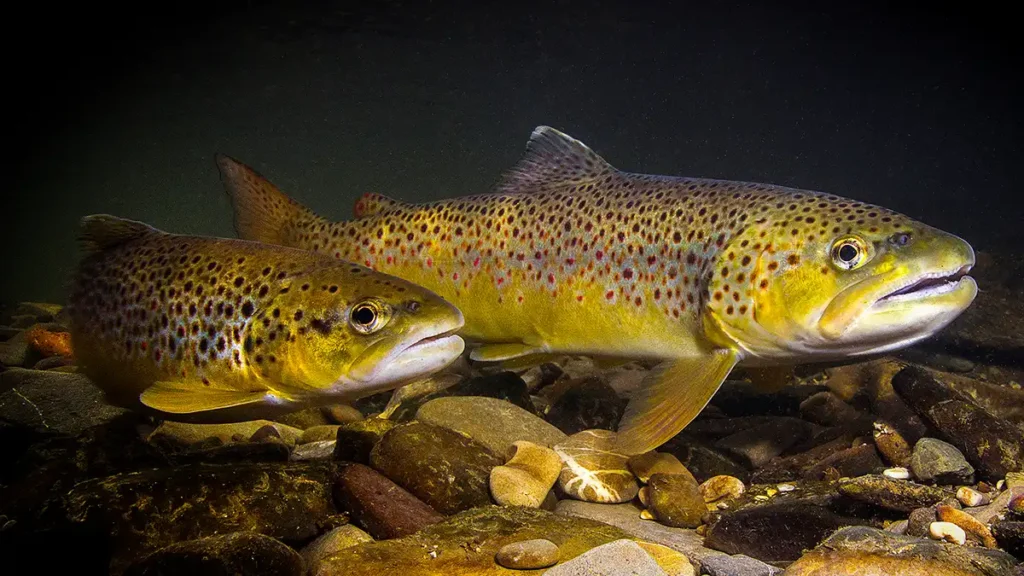
Trout Fishing Secrets For Beginners

The Fish That Tests Every Angler
Trout are among the most sought-after freshwater fish in North America, but they are also some of the most challenging to catch consistently. Unlike many aggressive species, trout are cautious, highly sensitive to their environment, and often selective about what they eat.
For anglers willing to learn their habits, however, trout fishing can become incredibly productive.
Many experienced trout fishermen rely on techniques and observations that go far beyond basic bait or lure selection. Understanding water temperature, current patterns, insect activity, and trout behavior can dramatically improve success on the water.
According to fisheries research from the U.S. Fish and Wildlife Service, trout are extremely responsive to environmental changes, which means anglers who read water conditions carefully often outperform those who rely only on traditional fishing tactics.
Trout Are Masters of Current
One of the most important trout fishing secrets is learning how trout use river currents to their advantage.
Trout rarely sit in fast-moving water where they must constantly fight the current. Instead, they position themselves in slower “current breaks” where they can conserve energy while waiting for food to drift by.
According to river ecology studies published by the Montana Fish Wildlife & Parks, trout frequently hold behind rocks, submerged logs, undercut banks, and seams where fast and slow water meet.
These areas allow fish to stay protected while still having access to drifting insects and small baitfish.
Anglers who learn to target these current seams often find far more fish than those casting randomly throughout a river.
Trout Feed Below the Surface More Often Than You Think
Many anglers focus heavily on dry flies floating on the surface. While surface fishing can be exciting, trout actually feed below the surface most of the time.
Aquatic insects spend most of their lives underwater as larvae or nymphs before emerging as flying insects.
According to entomology research from the Pennsylvania Fish and Boat Commission, trout often consume nymph-stage insects drifting along the bottom of rivers.
Because of this, fishing subsurface presentations such as nymph rigs or small jigs can be extremely effective.
Experienced anglers frequently say that “90 percent of trout feeding happens underwater.”
Stealth Matters More Than Gear
Another secret that many beginners overlook is how easily trout are spooked.
Trout have excellent vision and can detect movement along riverbanks. Heavy footsteps, casting shadows, or sudden movements can cause fish to flee before an angler even makes a cast.
According to trout behavior studies from the Utah Division of Wildlife Resources, approaching a river carefully and keeping a low profile can dramatically increase catch rates.
Successful trout anglers often move slowly, stay behind cover, and cast from downstream so fish are less likely to notice them.
In many cases, stealth matters far more than expensive equipment.
Time of Day Can Make a Huge Difference
Trout activity often changes dramatically depending on the time of day.
During bright midday conditions, trout may hold deep in pools or shaded areas to avoid predators and conserve energy.
Early morning and late evening are typically the most productive times to fish.
According to observations compiled by the National Park Service, cooler temperatures and reduced light levels often trigger increased insect activity, which in turn encourages trout to feed more actively.
Anglers who plan trips around these feeding windows frequently see better results.
Matching the Hatch
One of the most famous trout fishing strategies is known as “matching the hatch.”
This approach involves observing which insects are currently emerging from the water and selecting flies that imitate those insects.
When trout become focused on a particular insect species, they may ignore other food sources entirely.
According to fly fishing research from the Trout Unlimited, paying close attention to insect activity can be the difference between catching one fish and catching many.
Anglers who flip over rocks in the stream to examine aquatic insects often gain valuable clues about what trout are feeding on.
Water Temperature Controls Trout Behavior
Water temperature plays a critical role in trout activity.
Most trout species thrive in cool water, typically between 50 and 65 degrees Fahrenheit.
When temperatures rise above that range, trout often become less active and may move to deeper pools, spring-fed streams, or shaded areas.
According to fisheries data from the U.S. Geological Survey, prolonged exposure to warm water can stress trout and reduce feeding activity.
Many experienced anglers carry small thermometers to monitor water temperature before choosing fishing locations.
Patience and Observation
Perhaps the greatest trout fishing secret isn’t a lure or technique—it’s patience.
The most successful anglers spend as much time watching the water as they do casting.
Observing insect activity, current patterns, and fish movement can reveal where trout are feeding and what they are eating.
When anglers slow down and study their surroundings, they often discover opportunities that others miss.
Learning the River
Trout fishing is often described as a lifelong learning process.
Every river has its own unique characteristics, and trout behavior can change depending on weather, water levels, and seasonal conditions.
According to conservation groups like Trout Unlimited, anglers who spend time learning specific rivers and understanding trout habitats often develop a deeper appreciation for these ecosystems.
In the end, the real secret to catching more trout may simply be spending time on the water and learning from every trip.
Because for many anglers, the challenge of figuring out trout behavior is exactly what makes the pursuit so rewarding.