
How to Catch Bass During the Spawn
One of the Best Times of the Year to Catch Bass
For many anglers, bass spawning season is one of the most exciting times to be on the water. As water temperatures warm in the spring, largemouth and smallmouth bass move into shallow water to reproduce. During this period, bass become highly territorial while protecting their nests, which can make them both easier to locate and more aggressive toward intruders.
Understanding how bass behave during the spawn can dramatically improve an angler’s success. While some fishermen rely on luck during this time of year, experienced anglers know that the key to catching spawning bass lies in recognizing where fish build beds and how they react to potential threats.
According to fisheries research published by the Texas Parks and Wildlife Department, largemouth bass typically begin spawning when water temperatures reach roughly 60–70 degrees Fahrenheit, with peak activity occurring during stable warming trends in spring.
Finding Spawning Beds
The first step in catching bass during the spawn is locating spawning beds.
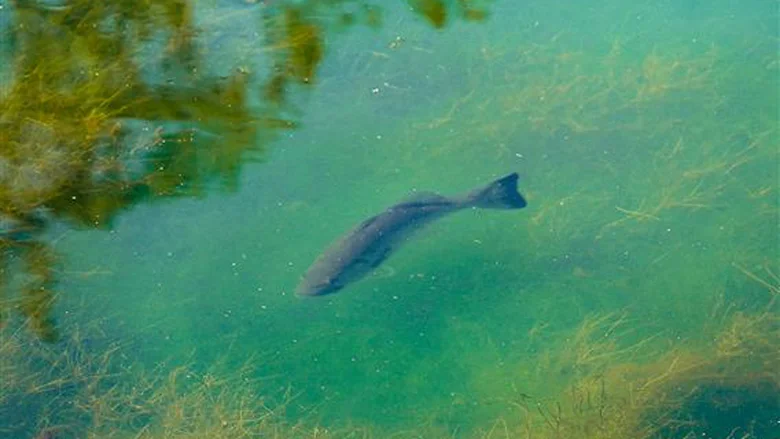
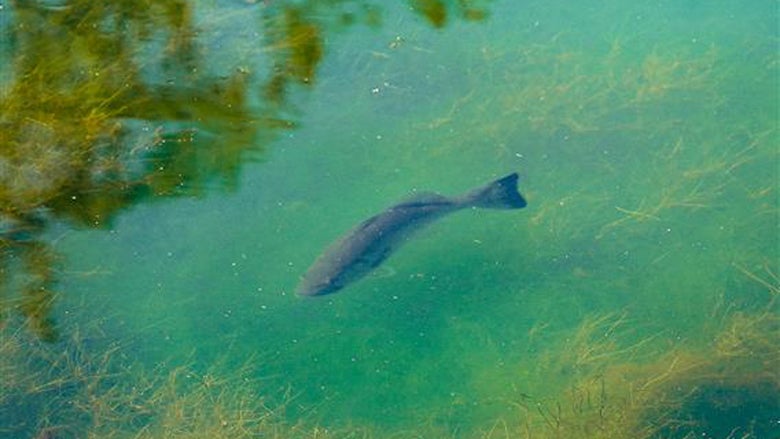
Bass build nests in shallow water, usually between one and six feet deep. These beds appear as light-colored circular patches on the bottom where bass have cleared away debris to expose gravel or hard substrate.
According to fisheries biologists with the Florida Fish and Wildlife Conservation Commission, bass prefer protected areas for spawning such as coves, pockets, and shorelines shielded from strong wind or waves.
Common spawning areas include:
-
Shallow flats near deeper water
-
Protected pockets inside coves
-
Areas near docks or submerged structure
-
Gravel or sandy bottoms with minimal vegetation
Polarized sunglasses are one of the most useful tools for anglers searching for beds because they reduce glare and make it easier to see fish in shallow water.
Understanding Bass Behavior on the Bed
When bass are spawning, the male fish typically guards the nest while the female deposits eggs. After spawning, the male often remains to protect the eggs and later the fry.
This protective behavior makes bass extremely territorial.
Rather than striking lures out of hunger, spawning bass often attack anything that threatens the nest.
According to studies from the U.S. Fish and Wildlife Service, bass will aggressively remove perceived threats from their nests, including small fish, insects, or other predators that might consume their eggs.
Anglers can take advantage of this defensive instinct by presenting lures that appear to invade the nest.
Best Lures for Spawning Bass
Certain lures are particularly effective during the spawn because they mimic creatures that naturally prey on bass eggs.
Soft plastic creature baits, crawfish imitations, and lizards are among the most popular choices.
These lures resemble common nest predators that bass instinctively attack.
According to fishing reports compiled by the editors at Bassmaster, anglers frequently succeed by pitching soft plastics directly into a spawning bed and allowing them to sit in place.
The bass often reacts by picking up the lure and moving it away from the nest.
White or brightly colored lures are often recommended during spawn fishing because they allow anglers to see the bait clearly and detect when a fish picks it up.
Patience Is Critical
One of the biggest mistakes anglers make when fishing for spawning bass is moving too quickly.
Spawning bass often inspect lures repeatedly before committing to an attack. In some cases, it may take multiple casts to trigger a strike.
Experienced anglers often leave a lure sitting in the bed for extended periods, occasionally twitching it slightly to provoke a reaction.
Sight fishing for spawning bass can sometimes feel more like a chess match than traditional fishing.
The key is patience and careful observation.
Weather and Water Conditions Matter
Spawning activity can change quickly depending on weather conditions.
Cold fronts can temporarily push bass off beds, while warm stable weather tends to increase spawning activity.
According to seasonal fisheries data from the Alabama Department of Conservation and Natural Resources, bass may move slightly deeper or become less aggressive during sudden temperature drops.
Clear water conditions also make spawning beds easier to locate, while muddy water can make sight fishing more difficult.
Anglers often adjust their strategies depending on visibility and water clarity.
Ethical Considerations During the Spawn
While bass are more vulnerable during the spawn, many anglers emphasize handling fish carefully during this period.
Quickly releasing bass back to their beds helps ensure they can continue protecting their eggs.
Conservation groups such as B.A.S.S. Conservation Program encourage anglers to minimize stress on spawning fish by limiting handling time and returning them to the water quickly.
Responsible fishing practices help ensure healthy bass populations for future seasons.
A Unique Opportunity for Anglers
Few fishing experiences are as exciting as watching a bass react to a lure on a spawning bed.
During this time of year, anglers can witness behaviors rarely seen during other seasons, including territorial displays and aggressive strikes meant to defend a nest.
For fishermen who understand bass behavior and approach the water with patience, the spawn can provide some of the most productive fishing of the year.
And in those shallow spring waters, the next cast might land right in the middle of a bass guarding its nest.