

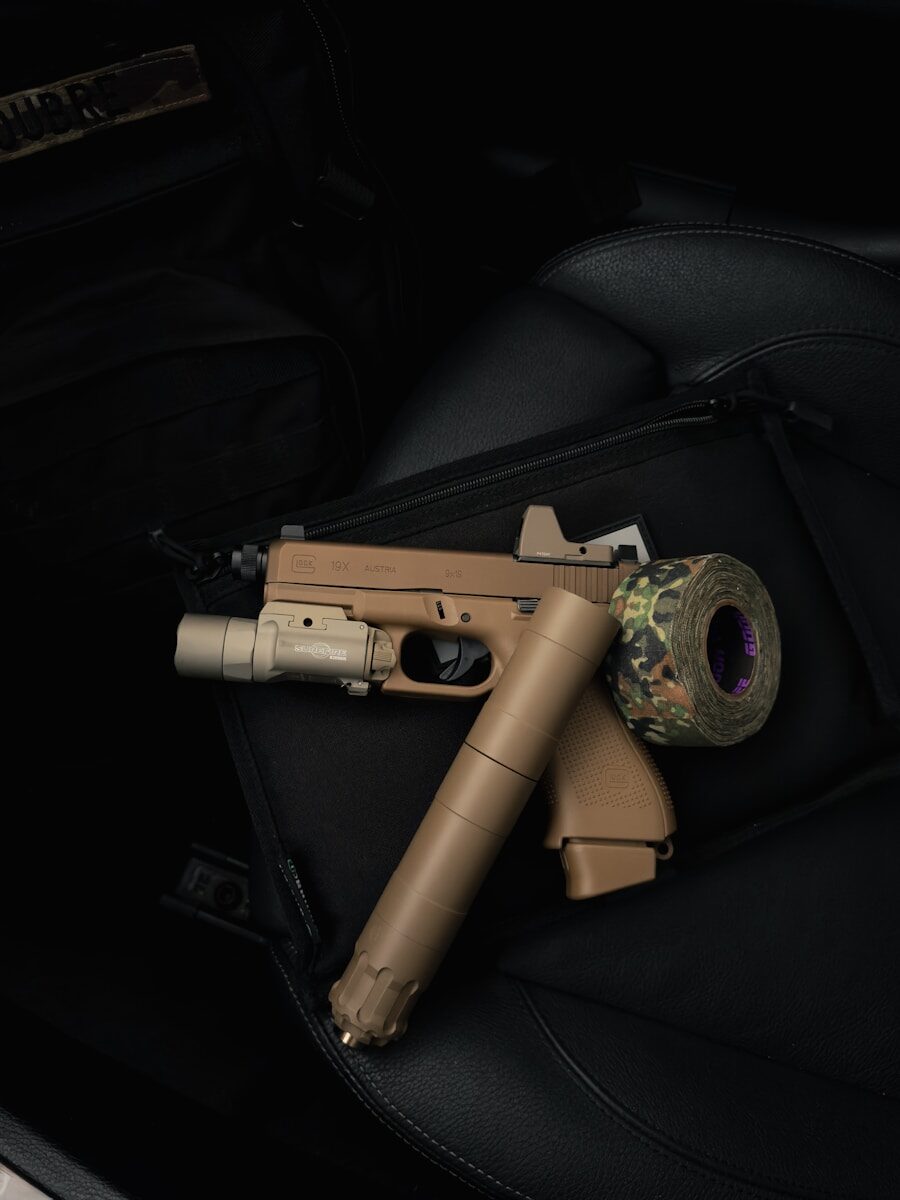
A Once-Niche Issue Moving Into the Spotlight
Suppressors—often referred to as silencers—have traditionally been a niche topic in firearms policy. For decades, they have been heavily regulated under federal law, requiring background checks, registration, and a lengthy federal approval process.
But in recent years, suppressors have moved into the center of the national gun policy debate.
Supporters argue that suppressors are safety tools that reduce noise and protect hearing. Opponents contend that loosening regulations could create risks for law enforcement and public safety.
As legislation continues to be proposed and debated, the question of whether suppressors should be deregulated is becoming a major Second Amendment issue.
How Suppressors Are Currently Regulated
Suppressors are regulated under the National Firearms Act of 1934, which classifies them as controlled items.
To legally purchase a suppressor, individuals must go through a federal background check, submit identifying information, and receive approval from federal authorities—a process that can take several months or longer.
According to the Bureau of Alcohol, Tobacco, Firearms and Explosives, suppressors are legal in most states but remain subject to strict federal oversight and registration requirements.
Some gun owners argue that while the current system allows ownership, it does not truly reflect deregulation, as the process remains complex and time-consuming.
The Case for Deregulation
Supporters of deregulation often frame suppressors as safety equipment rather than weapons.
Suppressors reduce the sound of a gunshot, but they do not make firearms silent. Instead, they lower noise levels to reduce hearing damage.
According to firearm safety research cited by the National Shooting Sports Foundation, suppressors can reduce gunshot noise by 20 to 35 decibels, which can significantly lessen the risk of permanent hearing loss.
Many hunters and sport shooters argue that suppressors should be treated similarly to other safety-related equipment. They also point out that simply requiring a tax stamp and registration does not equate to true deregulation, as the approval process itself can be a barrier.
In several European countries, suppressors are widely available and even encouraged for hunting to reduce noise pollution.
Concerns From Law Enforcement and Opponents
Opponents of deregulation raise concerns about how suppressors could be used in criminal activity.
Law enforcement organizations have historically argued that suppressors could make it harder to detect and respond to gunfire.
According to analysis from the Everytown for Gun Safety, suppressors have been used in a small number of criminal cases, raising concerns about broader availability.
Critics also argue that the current regulatory system provides an important layer of oversight, even if it does not completely prevent misuse.
How Common Are Suppressors?
Despite strict regulations, suppressors have become increasingly popular in recent years.
According to federal registration data from the Bureau of Alcohol, Tobacco, Firearms and Explosives, there are millions of legally registered suppressors in the United States.
Advances in manufacturing and growing interest among hunters and shooting enthusiasts have contributed to this increase.
Supporters argue that this widespread lawful use demonstrates that suppressors are primarily owned for legitimate purposes.
Legislative Efforts and Political Divide
Efforts to deregulate suppressors have been introduced in Congress multiple times, most notably through proposals like the Hearing Protection Act.
These proposals generally seek to remove suppressors from the National Firearms Act and regulate them more like standard firearms.
The issue has become politically divisive.
Some lawmakers view deregulation as a practical change that would simplify the current system, while others see it as a potential public safety concern.
A Debate Tied to Broader Gun Policy
The suppressor debate reflects larger disagreements about gun rights and regulation in the United States.
For some, it is about reducing regulatory barriers for law-abiding gun owners.
For others, it raises broader questions about how firearm policy changes could affect public safety.
As with many Second Amendment issues, the discussion often centers on finding a balance between individual rights and regulatory oversight.
What Comes Next
The future of suppressor regulation remains uncertain.
Legal challenges, legislative proposals, and shifting public opinion will all play a role in determining whether current laws are maintained or changed.
What is clear is that suppressors are no longer a niche issue.
They have become part of a broader national conversation about firearm policy, safety, and individual rights—and whether current regulations reflect modern perspectives on both.