
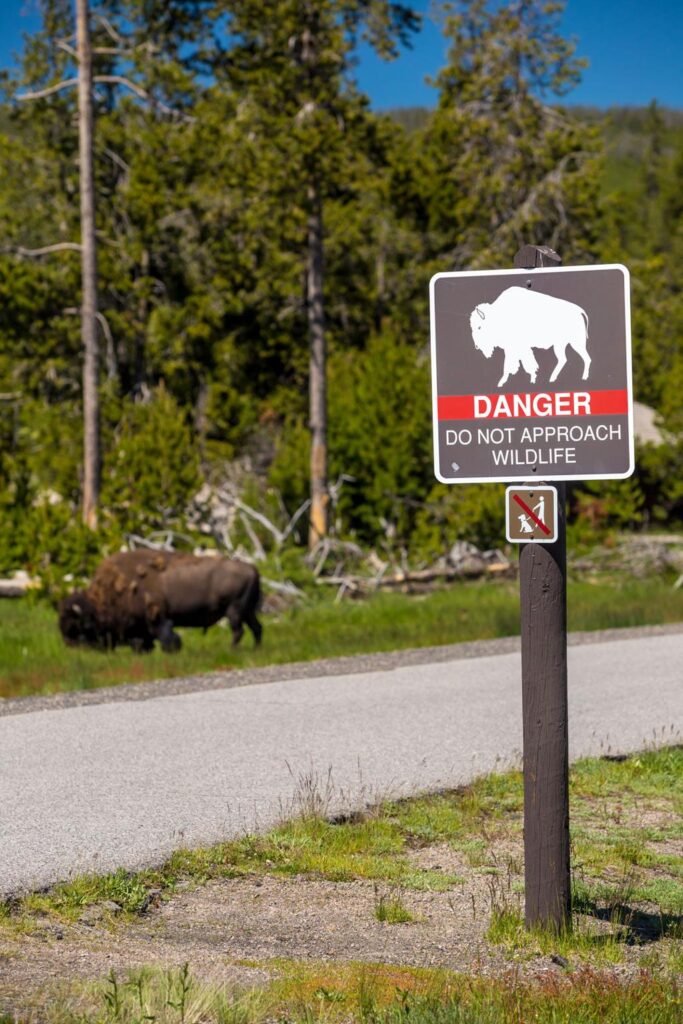
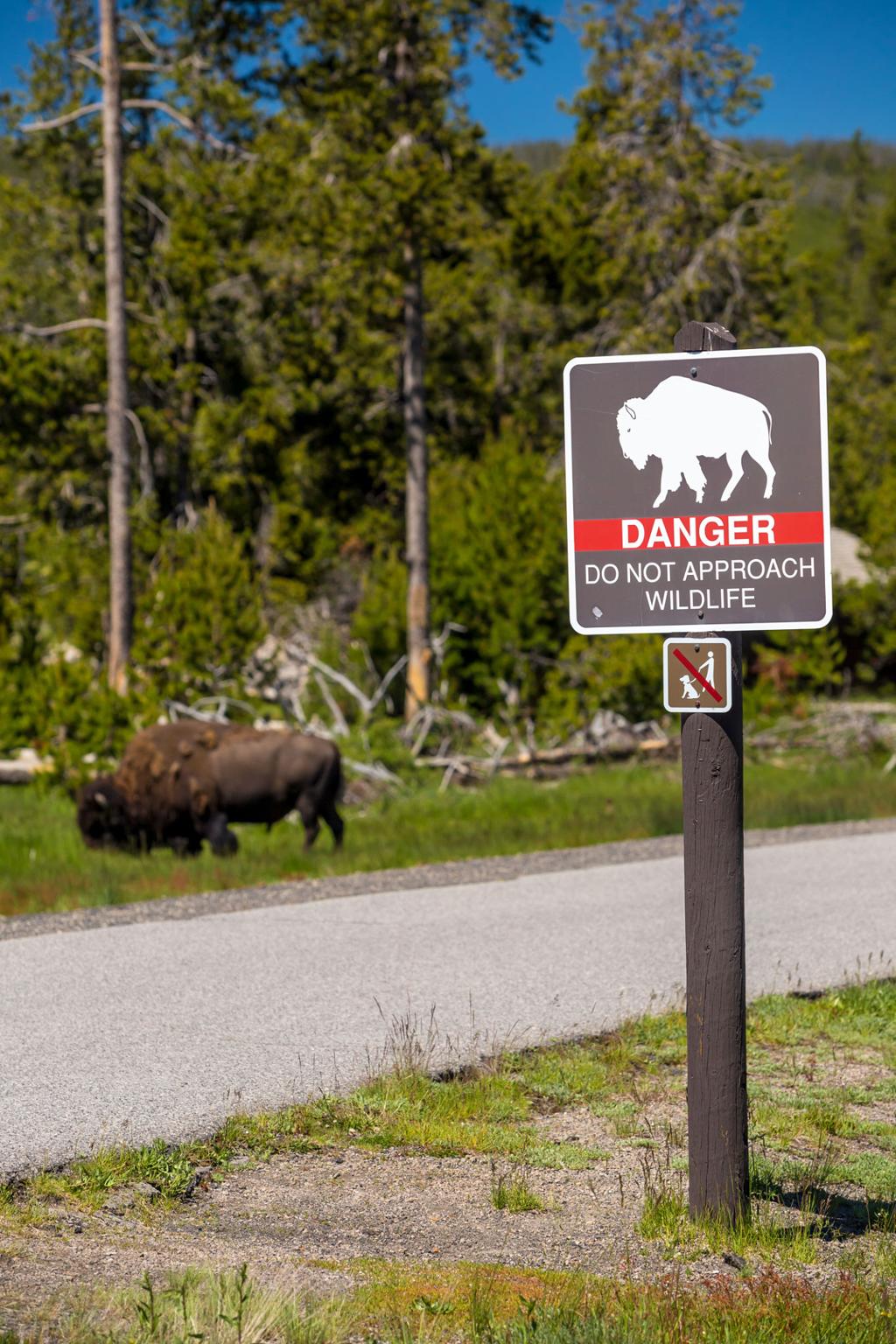
It should go without saying—but apparently it doesn’t—wild animals are not pets.
Every year, people are injured or killed after getting too close to wildlife, often in an attempt to take photos, feed animals, or even touch them. National parks and wildlife agencies repeatedly warn visitors to keep a safe distance, yet incidents continue to happen.
According to the National Park Service, most wildlife injuries occur when humans fail to respect safe viewing distances.
The truth is simple: if it lives in the wild, it can hurt you.
Bison: Bigger, Faster, and More Dangerous Than They Look
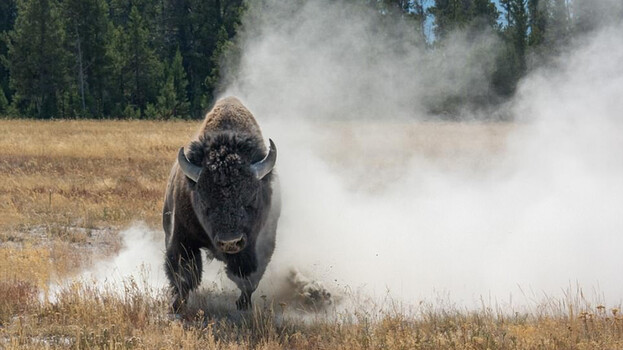
Bison might look slow and calm, but they are one of the most dangerous animals in North America.
Despite weighing up to 2,000 pounds, bison can run faster than a human and will charge when they feel threatened.
According to the National Park Service, bison injure more people in Yellowstone National Park than any other animal.
Tourists often make the mistake of approaching them for photos, underestimating how quickly things can turn dangerous.
Moose: The Silent Threat
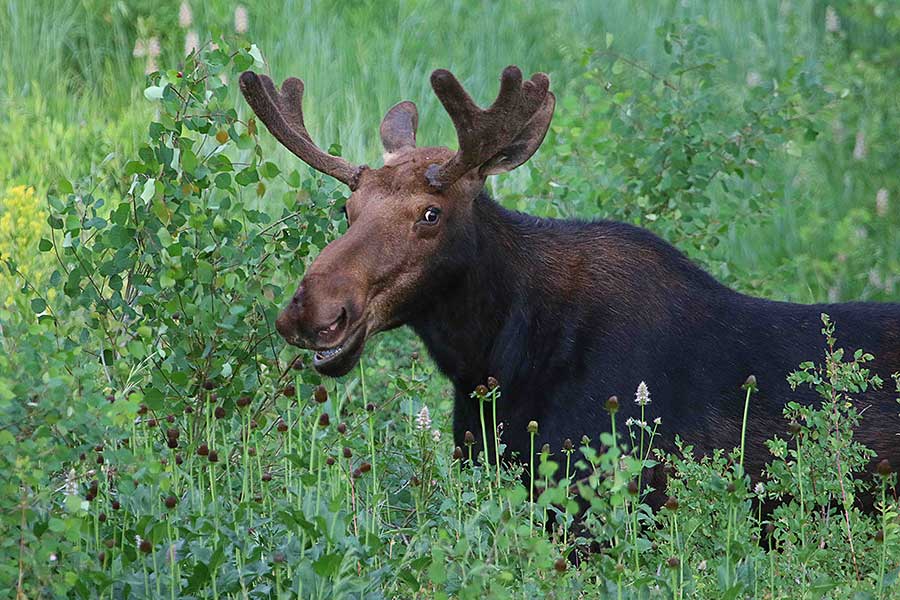
Moose don’t always look aggressive—but they are extremely unpredictable.
They are especially dangerous during the fall rut and in spring when protecting calves.
According to the Alaska Department of Fish and Game, moose attack more people each year in Alaska than bears.
Their size, speed, and powerful kicks make them one of the last animals you want to get close to.
Bears: Not Something You Want to Meet Up Close
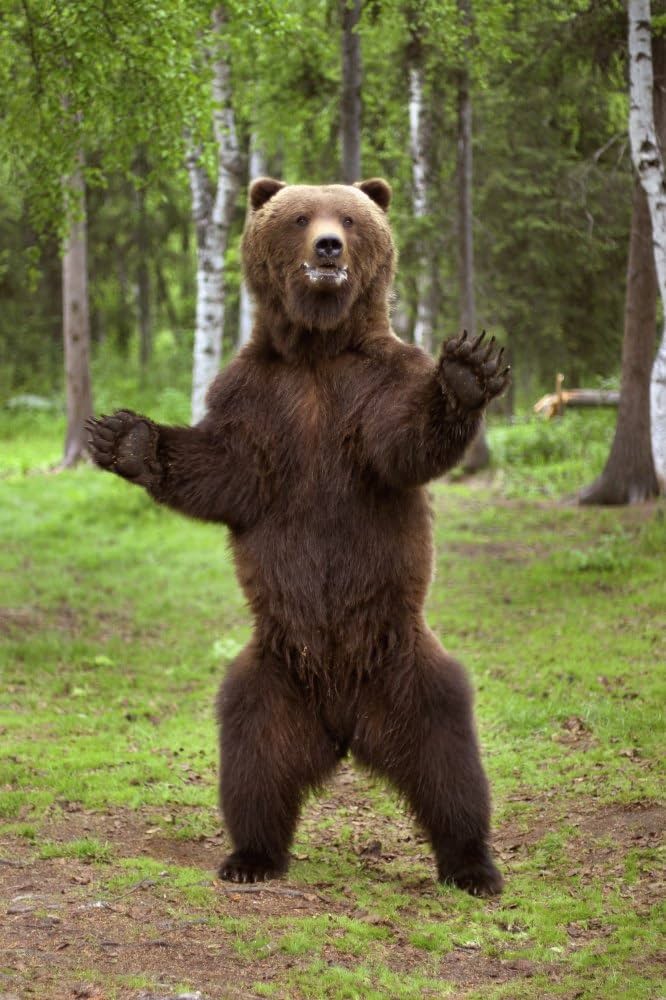
Whether it’s a black bear or a grizzly, getting close to a bear is a serious mistake.
Bears may appear calm, but they can become aggressive quickly—especially if they feel threatened or are protecting food or cubs.
According to the U.S. Fish and Wildlife Service, most negative bear encounters occur when humans approach too closely or fail to store food properly.
The safest encounter with a bear is one where you keep your distance.
Elk: Especially Dangerous During the Rut
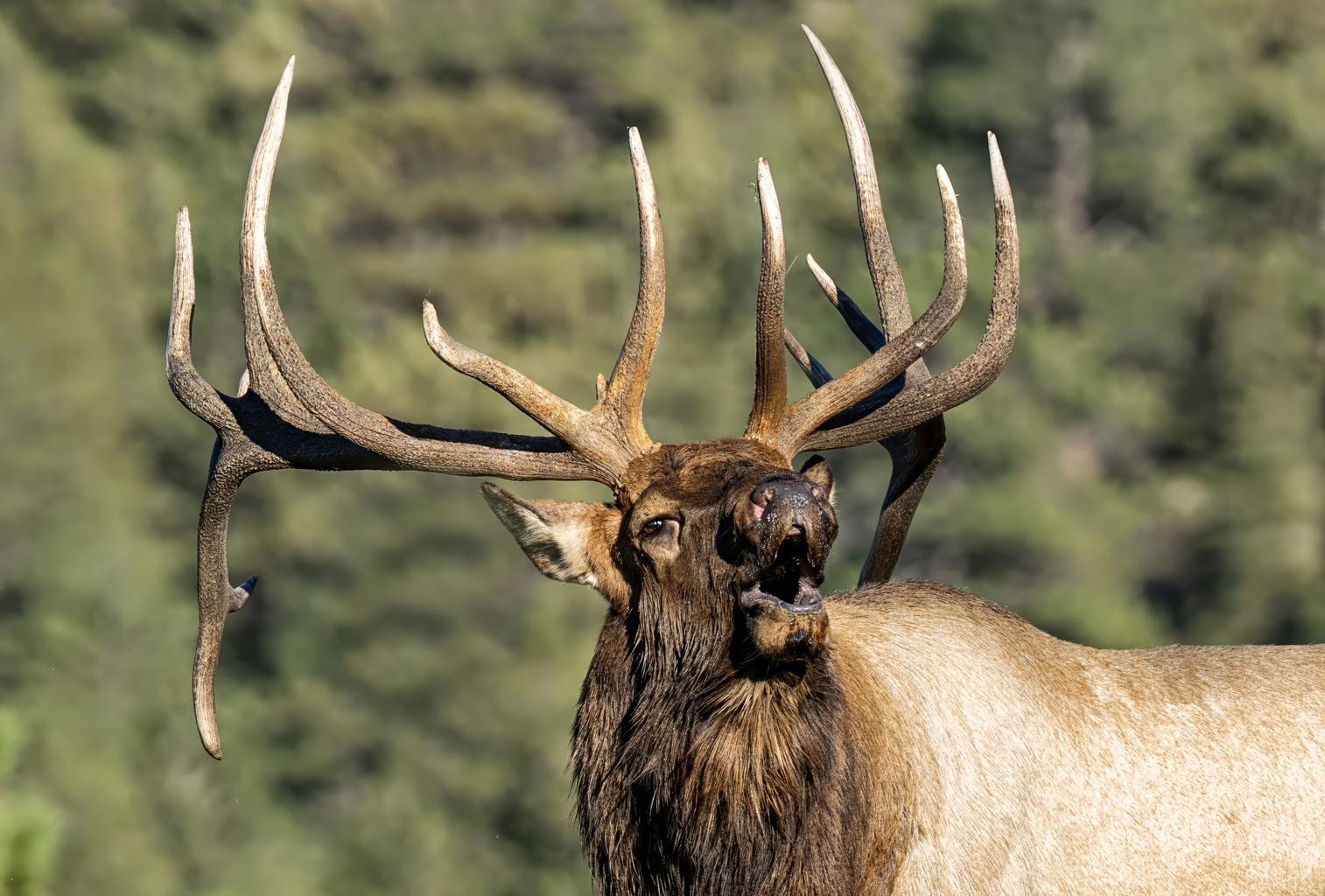
Elk are another animal that many people underestimate.
During most of the year, they may appear calm. But during the fall breeding season, bulls become highly aggressive.
According to the Colorado Parks and Wildlife, elk attacks increase during the rut as males compete for dominance and react aggressively to perceived threats.
Approaching an elk during this time can quickly lead to a dangerous situation.
Coyotes: Not as Harmless as They Seem
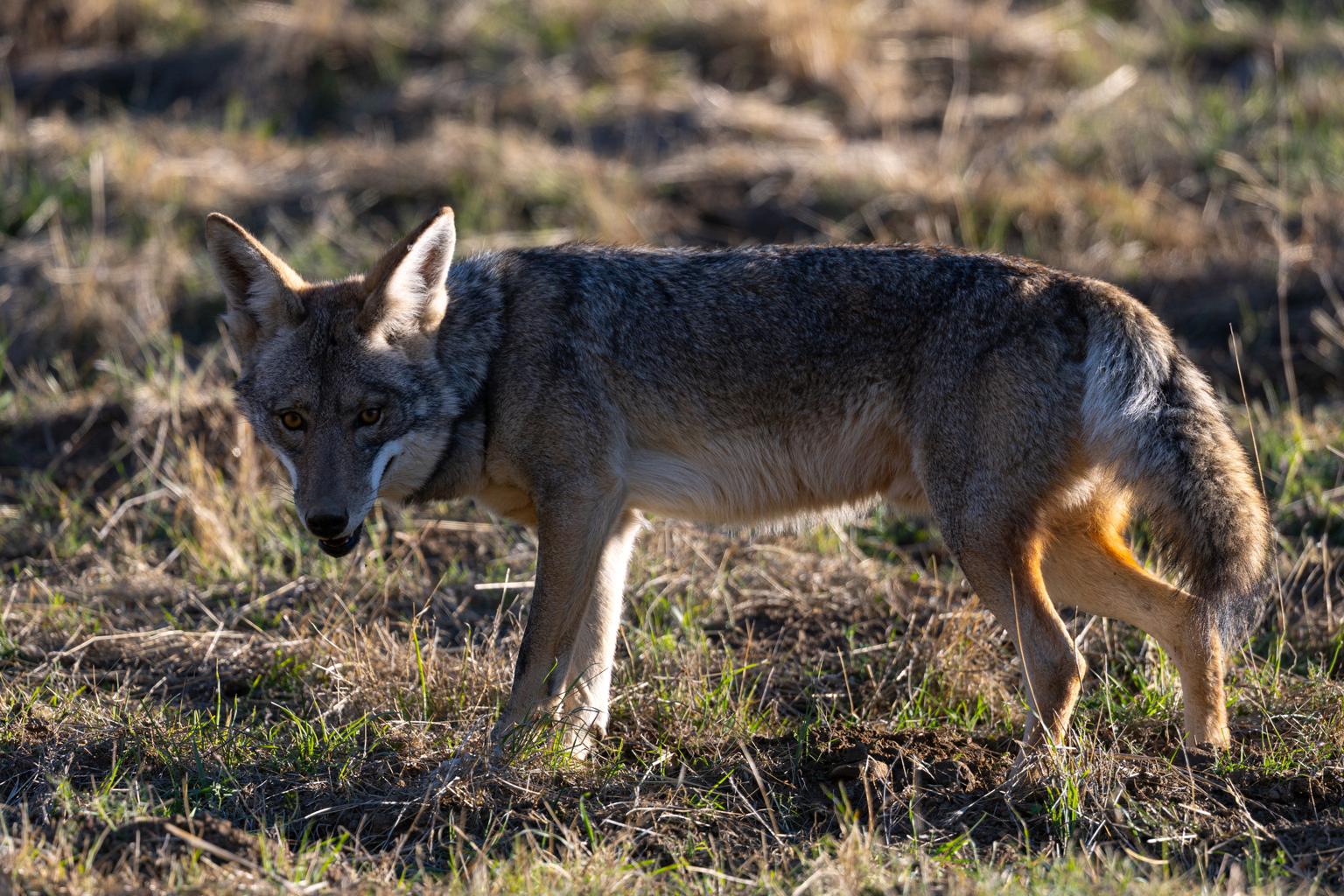
Coyotes are often seen as shy animals, but that doesn’t mean they’re safe to approach.
Feeding or attempting to interact with coyotes can cause them to lose their natural fear of humans, leading to more aggressive behavior.
According to the Humane Society of the United States, habituated coyotes are more likely to approach people and pets, increasing the risk of conflict.
Alligators: Stay Far Away
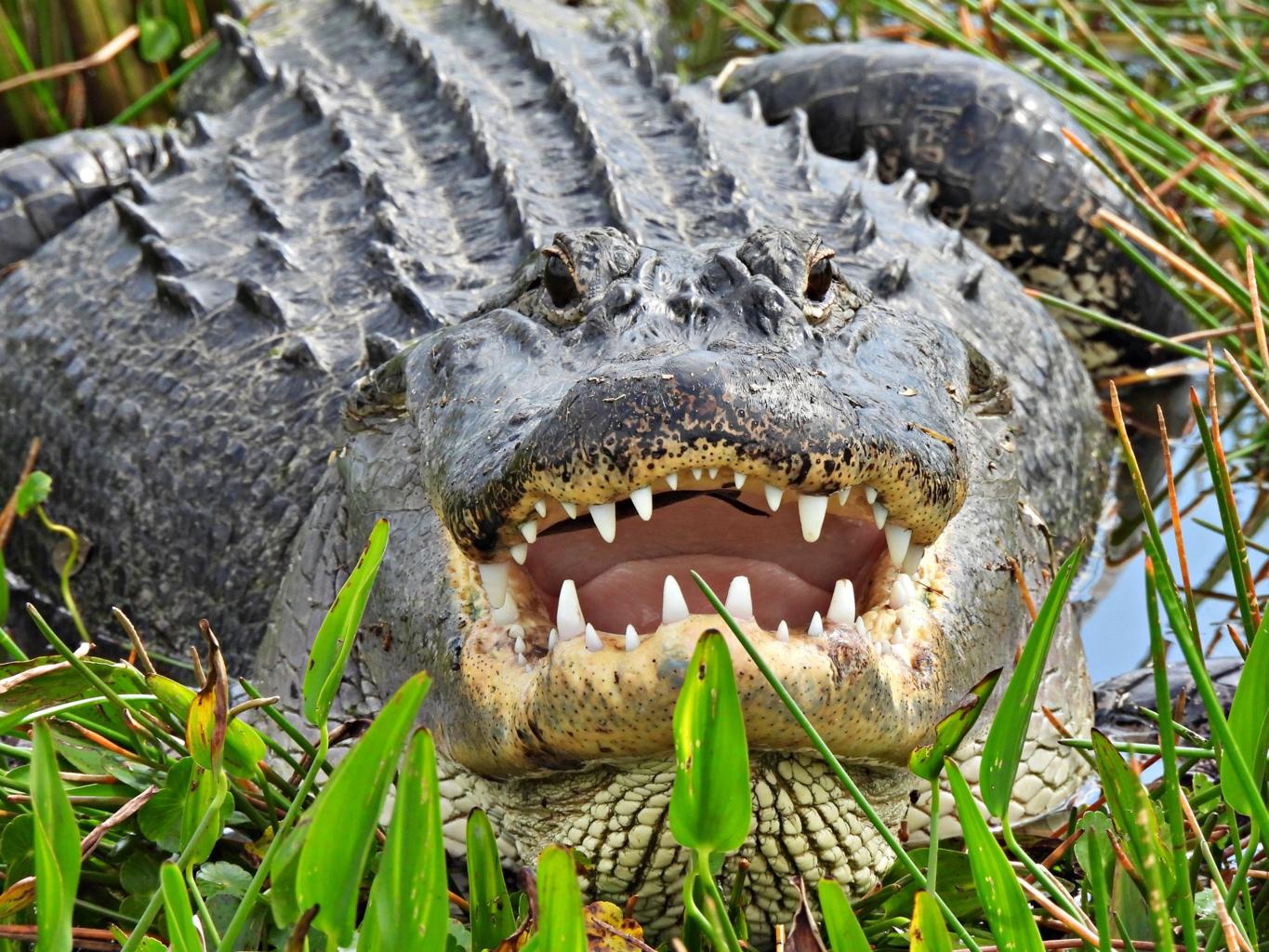
In southern states, alligators are a real and present danger.
They often appear motionless, which leads people to think they’re safe—but they are ambush predators capable of explosive speed.
According to the Florida Fish and Wildlife Conservation Commission, most alligator incidents occur when humans approach or feed them.
Keeping a safe distance is critical.
The Problem Isn’t the Animals
Wild animals aren’t the problem—human behavior is.
Most dangerous encounters happen because people ignore warnings, underestimate wildlife, or try to get too close for photos or social media.
According to the National Park Service, visitors are advised to stay at least 25 yards away from most wildlife and 100 yards from predators like bears and wolves.
These guidelines exist for a reason.
Respect Wildlife or Pay the Price
Nature doesn’t operate by human rules.
Wild animals don’t recognize selfies, curiosity, or good intentions—they react to threats.
The safest way to enjoy wildlife is simple: observe from a distance and respect their space.
Because in the wild, getting too close isn’t just a bad idea—it can be a life-threatening mistake.