
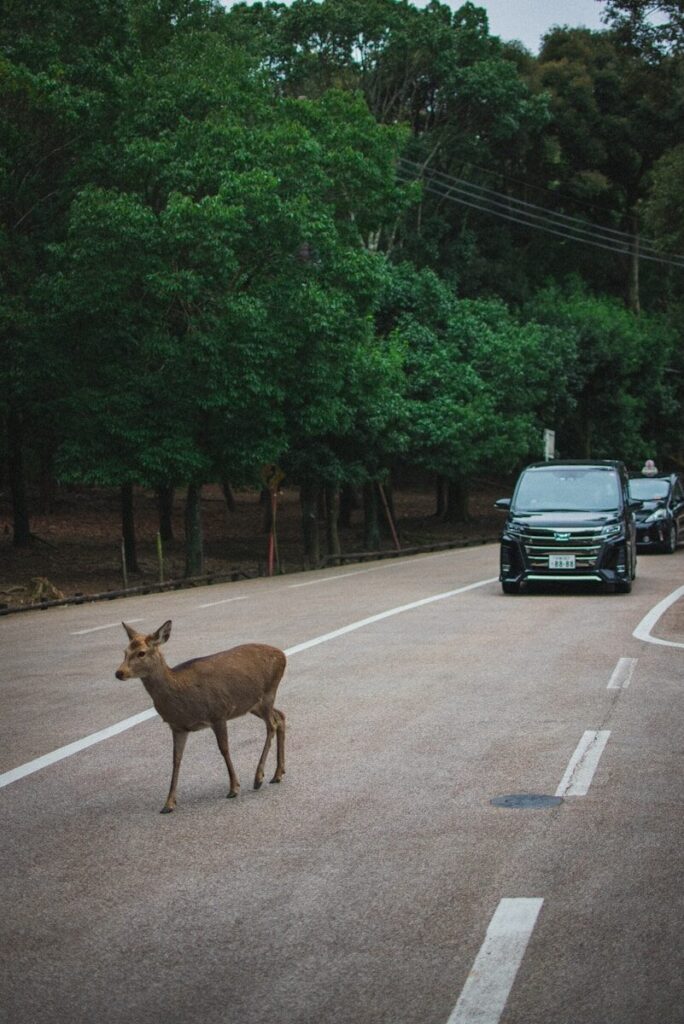
Deer vs. Drivers: The States with the Highest Collision Risk (And How to Stay Safe)
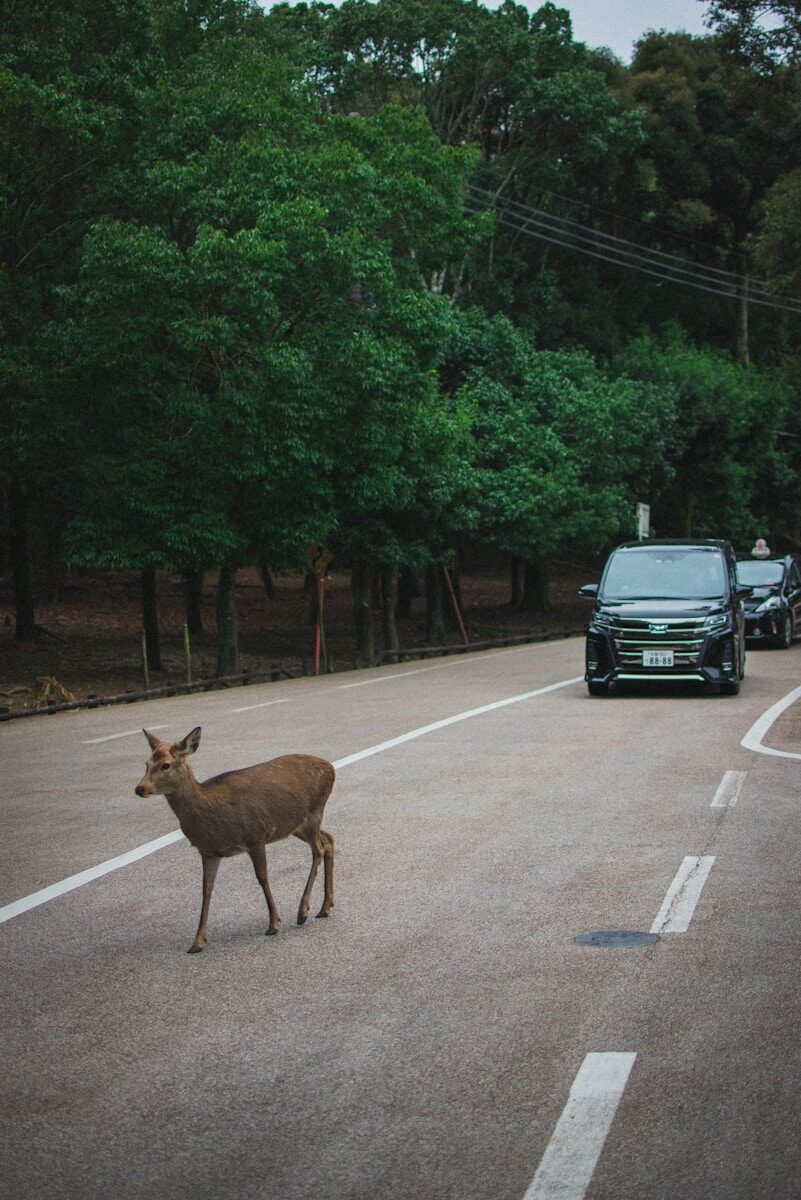
If you’ve ever driven a rural road at dusk and caught the flash of eyes in your headlights, you already know how quickly a deer encounter can turn dangerous. Across the United States, deer-vehicle collisions are one of the most common—and costly—wildlife-related incidents on the road. What many drivers don’t realize is just how often these crashes happen and how predictable they can be with the right awareness.
According to the U.S. Department of Transportation and National Highway Traffic Safety Administration, there are approximately 1.5 million deer-vehicle collisions every year in the United States. Research cited by Purdue University forestry and natural resources experts suggests that when unreported crashes are included, that number may climb as high as 2 million annually, making deer the leading cause of animal-related vehicle accidents in the country.
Why Deer Collisions Are So Common
Deer are highly adaptable animals, and their populations have expanded significantly over the past several decades. The Insurance Institute for Highway Safety and multiple state wildlife agencies report that deer thrive in areas where forests meet farmland and suburban development—exactly the types of environments where roads are most common.
Seasonality also plays a major role. According to the Insurance Information Institute, the highest risk period for deer collisions occurs between October and December, during the whitetail rut. During this time, deer are more active, less cautious, and more likely to cross roads at all hours of the day.
Low-light conditions further increase the danger. Most deer collisions occur at dawn, dusk, or nighttime when visibility is limited and deer are most active.
The States with the Highest Risk
While deer collisions can happen anywhere in the U.S., some states consistently rank higher than others due to dense deer populations and extensive rural road networks.
According to annual claims data released by State Farm Insurance, the states with the highest likelihood of a deer collision include:
-
West Virginia – Often ranked #1, with drivers facing some of the highest odds in the country
-
Montana – Large rural areas and abundant wildlife increase risk
-
Pennsylvania – High deer populations combined with heavy traffic
-
Michigan – Extensive forest and farmland create ideal deer habitat
-
Wisconsin – A mix of rural roads and strong deer populations
State Farm estimates that the average U.S. driver has about a 1 in 139 chance of hitting an animal each year, but in high-risk states like West Virginia, those odds can be significantly higher.
The Real Cost of Deer Collisions
Deer collisions are more than just a nuisance—they can be deadly and expensive. Data compiled from transportation safety studies shows that these crashes result in tens of thousands of injuries and hundreds of fatalities each year. Financially, the damage adds up quickly.
According to insurance industry estimates, deer collisions cause over $10 billion in damages annually, including vehicle repairs, medical bills, and related costs. The average insurance claim for a deer strike now exceeds several thousand dollars, depending on the severity of the crash.
How to Avoid Deer Collisions
While it’s impossible to eliminate risk entirely, there are proven ways to significantly reduce your chances of hitting a deer.
1. Be Most Alert at Dawn and Dusk
Deer are crepuscular, meaning they are most active during low-light periods. The Insurance Institute for Highway Safety emphasizes that drivers should remain especially cautious during early morning and evening hours.
2. Watch for Deer Crossing Signs
These signs are placed in areas with frequent deer activity. If you see one, slow down and stay alert—there’s a reason it’s there.
3. Scan the Road Edges
Deer often appear suddenly from the shoulder of the road. Constantly scanning both sides can give you valuable extra seconds to react.
4. Use High Beams When Possible
When driving in rural areas at night, high beams can help you spot deer sooner. According to safety guidance from state transportation agencies, this can significantly improve reaction time.
5. Don’t Swerve Aggressively
Many serious accidents occur when drivers swerve to avoid a deer and lose control of their vehicle. Safety experts, including the National Highway Traffic Safety Administration, advise braking firmly while maintaining your lane whenever possible.
6. Assume There’s More Than One Deer
Deer often travel in groups. If one crosses the road, there’s a strong chance others are nearby.
7. Slow Down in High-Risk Areas
Reducing speed is one of the most effective ways to avoid a collision or lessen its severity.
Why This Problem Isn’t Going Away
Wildlife experts say deer populations remain strong across much of the United States, and suburban expansion continues to bring people and wildlife into closer contact. According to research from Purdue University, deer adapt well to human environments, which means collisions will likely remain a persistent issue.
Efforts such as controlled hunting seasons, roadside fencing, and wildlife crossings have helped reduce collisions in some areas, but the scale of the problem remains significant nationwide.
The Bottom Line
Each year, between 1.5 and 2 million vehicles are struck by deer in the United States, according to transportation and wildlife research. These collisions are most common in the fall, most dangerous in low-light conditions, and most frequent in states with large deer populations and rural road systems.
The good news is that awareness and simple driving adjustments can dramatically reduce your risk. Staying alert, slowing down in high-risk areas, and understanding deer behavior can make the difference between a close call and a costly—or even deadly—accident.
For drivers across the country, especially in rural and deer-heavy regions, it’s not just a matter of if you’ll encounter a deer on the road—but when.