
River Fishing vs Lake Fishing: The Key Differences and How to Succeed in Both
Two Completely Different Games on the Water
At first glance, fishing is fishing. But once you step onto a river versus a lake, you quickly realize they are two completely different environments.
Water movement, fish behavior, and strategy all change depending on where you’re fishing.
Understanding those differences is the key to consistently catching fish—no matter the water.
According to angler education resources from the U.S. Fish and Wildlife Service, fish location and behavior are heavily influenced by habitat, current, and available food sources.
That means your approach needs to match the environment.
The Biggest Difference: Moving vs Still Water
The most important distinction between river and lake fishing is simple:
-
Rivers move
-
Lakes don’t (at least not noticeably)
In rivers, current dictates everything—where fish hold, how they feed, and how you present your bait.
In lakes, fish relate more to structure, depth, and water temperature.
This one difference changes how you fish from start to finish.
River Fishing: Reading the Current
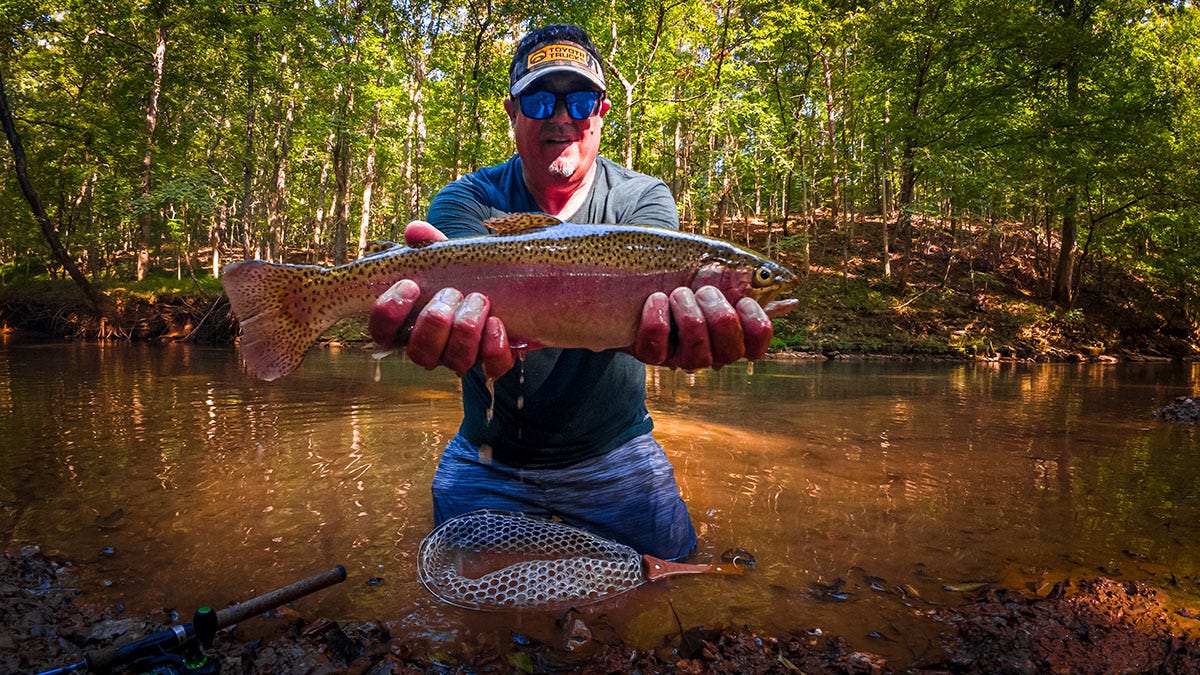
Fishing a river is all about understanding water flow.
Fish don’t want to fight heavy current all day, so they position themselves where they can conserve energy while waiting for food to come to them.
What to Look For in Rivers
Key areas include:
-
Current seams (where fast and slow water meet)
-
Eddies (calm water behind obstacles)
-
Undercut banks
-
Rocks and log jams
According to fisheries guidance from the Trout Unlimited, fish often sit just out of the main current and ambush food drifting by.
Steps to Be Successful in Rivers
-
Fish with the current, not against it
Cast upstream or across and let your bait drift naturally. -
Use lighter tackle
Natural presentation matters more in moving water. -
Stay mobile
If a spot isn’t producing, move. River fish are spread out. -
Approach quietly
Fish in shallow rivers spook easily. -
Focus on feeding lanes
Fish where food is naturally delivered.
Lake Fishing: Finding Structure and Depth
Lakes are a different challenge.
Without current, fish don’t rely on moving water to bring food—they rely on structure and seasonal patterns.
What to Look For in Lakes
Key areas include:
-
Points and drop-offs
-
Submerged trees and brush
-
Weed lines
-
Docks and ledges
According to angling data from Bassmaster, bass and other species relate strongly to structure, especially where depth changes occur.
Steps to Be Successful in Lakes
-
Find structure first
Fish rarely sit in open water without a reason. -
Use electronics if possible
Depth finders can dramatically improve success. -
Adjust for time of day
Fish move shallow in low light and deeper during midday. -
Cover water with lures
Use moving baits to locate fish quickly. -
Slow down once you find them
Switch to finesse techniques after locating fish.
How Fish Behavior Changes
Fish in rivers are reactive feeders—they wait for food to come to them.
Fish in lakes are more pattern-based, moving based on:
-
Temperature
-
Light levels
-
Seasonal changes
According to the U.S. Fish and Wildlife Service, understanding these behavioral differences is critical to improving catch rates.
Gear Differences That Matter
While you can use similar gear in both environments, small adjustments help:
River Fishing:
-
Lighter weights
-
Spinning gear
-
Drift rigs or live bait
Lake Fishing:
-
Heavier tackle options
-
Casting gear
-
Variety of artificial lures
Matching your gear to the environment increases efficiency and success.
Which One Is Better?
The truth is—it depends on what you enjoy.
-
Rivers offer constant movement and a more active style of fishing
-
Lakes provide opportunities to target bigger fish and develop patterns
Both can be incredibly productive if you understand how they work.
The Key to Catching More Fish
Whether you’re fishing a river or a lake, success comes down to one thing:
Understanding how fish use their environment.
-
In rivers: follow the current
-
In lakes: follow the structure
Once you learn to read the water, everything starts to click.
A Skill That Transfers Everywhere
Mastering both river and lake fishing makes you a more complete angler.
Each environment teaches different skills—reading current, locating structure, adjusting presentations.
And the more you understand both, the more fish you’ll catch—no matter where you drop a line.