
A Hunt That Sounded More Like a Movie
Some hunting stories sound wild—but this one crossed a line.
Down in the South Texas brush country near Port Mansfield, a group of individuals had turned what should have been a legal hunt into something far different. It wasn’t just about chasing game—it had become a high-dollar operation built on access that didn’t belong to them.
And the way they were doing it? That’s what made it one of the craziest hunting setups you’ll hear about.
Chasing Nilgai the Unconventional Way
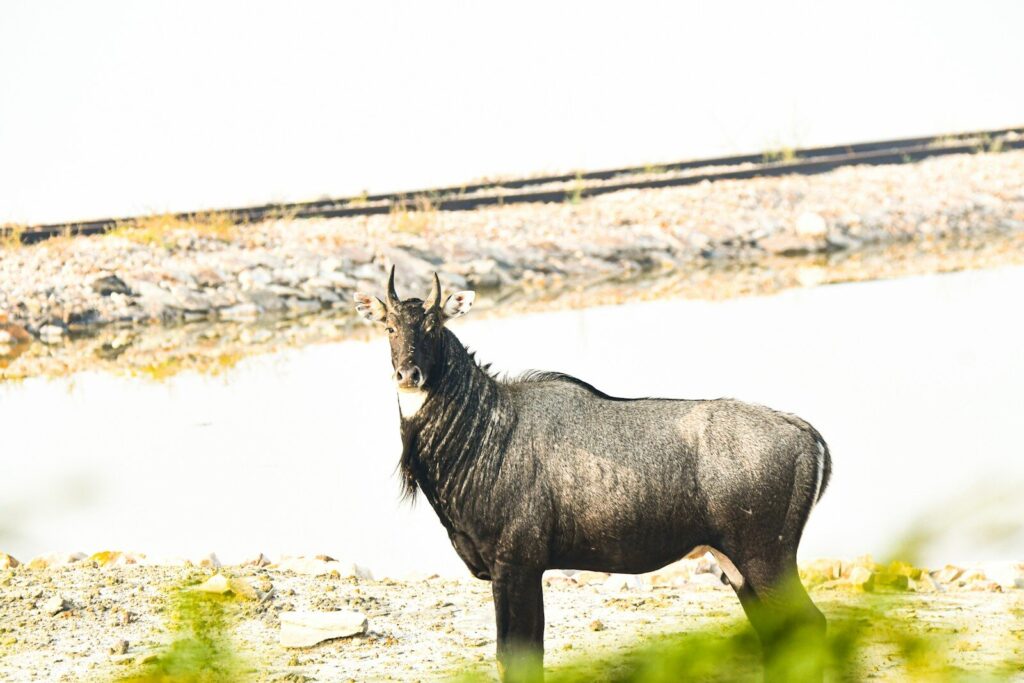
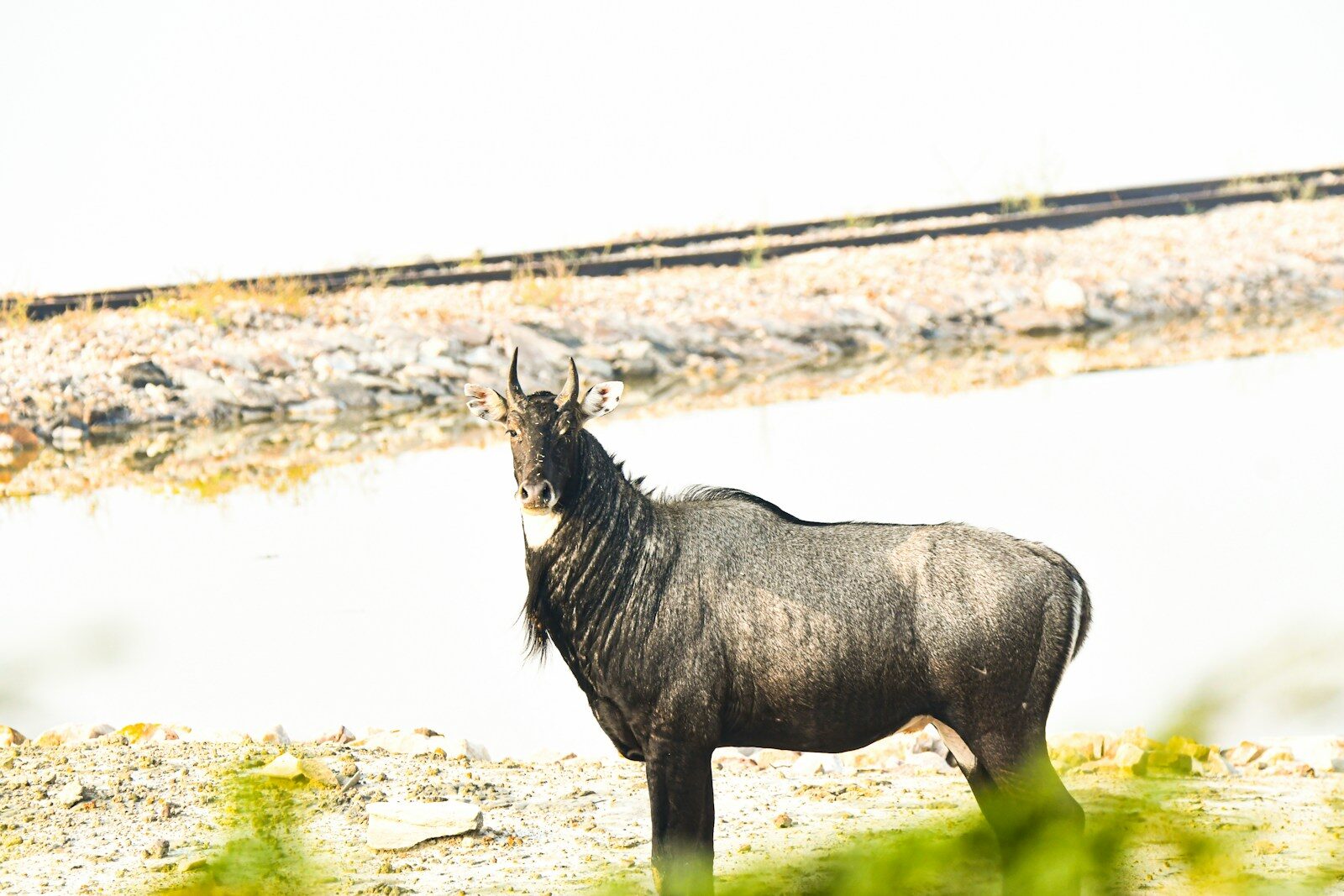
Nilgai aren’t your average game animal.
Originally brought to Texas from India and Pakistan in the 1920s, these animals are tough, fast, and notoriously difficult to hunt. Mature bulls can weigh over 600 pounds and live in thick, unforgiving terrain.
Most hunters pursue them on foot, glassing long distances and working the wind.
That’s not how this group did it.
Instead, they used airboats to move through remote terrain—something more commonly associated with alligator hunting or marsh travel than big game pursuits. From there, thermal optics were used to locate animals in the dark.
It turned the hunt into something closer to a high-tech pursuit than traditional hunting.
The Problem Wasn’t Just the Method
The real issue wasn’t just how they hunted—it was where.
According to findings from the Texas Parks and Wildlife Department, the group had been operating on private property without landowner consent, guiding clients and charging for hunts they had no legal right to conduct.
That meant:
-
Hunting without permission
-
Taking exotic animals considered private livestock
-
Running a for-profit operation illegally
In Texas, nilgai are often classified as exotic livestock, meaning they belong to the landowner—not the public.
A Long Investigation Behind the Scenes
This wasn’t something that got uncovered overnight.
According to enforcement information from the Texas Parks and Wildlife Department, the case had been under investigation for nearly a year.
Game wardens tracked patterns, gathered evidence, and built a case that pointed to an organized operation rather than a one-time violation.
When the time came, multiple warrants were executed across different properties.
The operation involved:
-
Texas Game Wardens
-
The Texas Game Warden Rural Operations Group
-
Homeland Security Investigations
That level of coordination made it clear—this wasn’t a minor case.
Charges That Go Beyond Hunting Violations
The individuals involved weren’t just facing simple hunting citations.
They were charged with:
-
Hunting exotic animals without landowner consent
-
Theft of exotic livestock
-
Engaging in organized criminal activity
Those charges elevated the situation from a wildlife violation to something much more serious.
When Hunting Crosses the Line
There’s always been a difference between hunting and exploitation.
Using technology like thermal optics isn’t uncommon in certain situations, and access methods vary depending on terrain.
But hunting without permission—and profiting from it—crosses a line that most hunters understand and respect.
According to the Texas Parks and Wildlife Department, landowner permission is one of the most fundamental requirements in Texas hunting law.
Without it, there is no hunt—just trespassing.
A Reminder of What Hunting Is Supposed to Be
For most hunters, the challenge is part of the experience.
Tracking animals, reading sign, working the wind, and earning the opportunity—that’s what defines the pursuit.
This case stood out because it stripped away those elements and replaced them with speed, technology, and unauthorized access.
One of the Wildest Hunting Setups You’ll Hear About
Airboats cutting through the South Texas terrain. Thermal optics lighting up animals in the dark. Clients being guided onto land they didn’t have permission to hunt.
It sounded like something out of a movie.
But in the end, it caught up with them.
The Takeaway
Hunting in Texas comes with opportunity—but also responsibility.
This case served as a reminder that no matter how advanced the gear or how creative the approach, the fundamentals still matter:
-
Respect the land
-
Know the law
-
Hunt the right way
Because when those lines get crossed, it stops being hunting—and becomes something else entirely.