
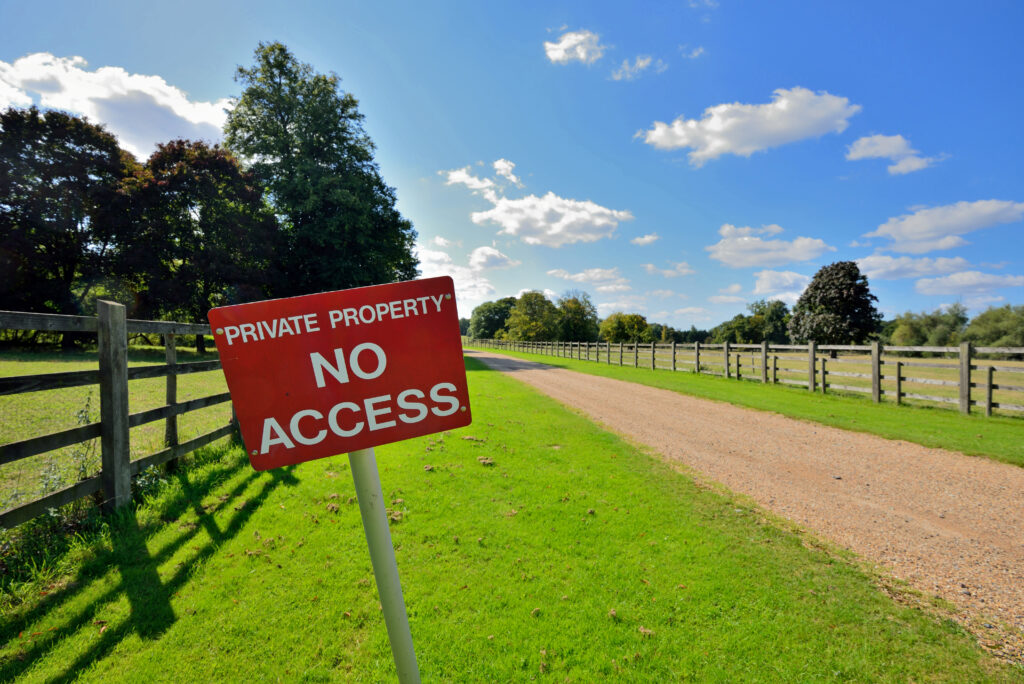
Landowner Blocks “Access Trail”—Turns Out It Is His Driveway. People Are Still Furious
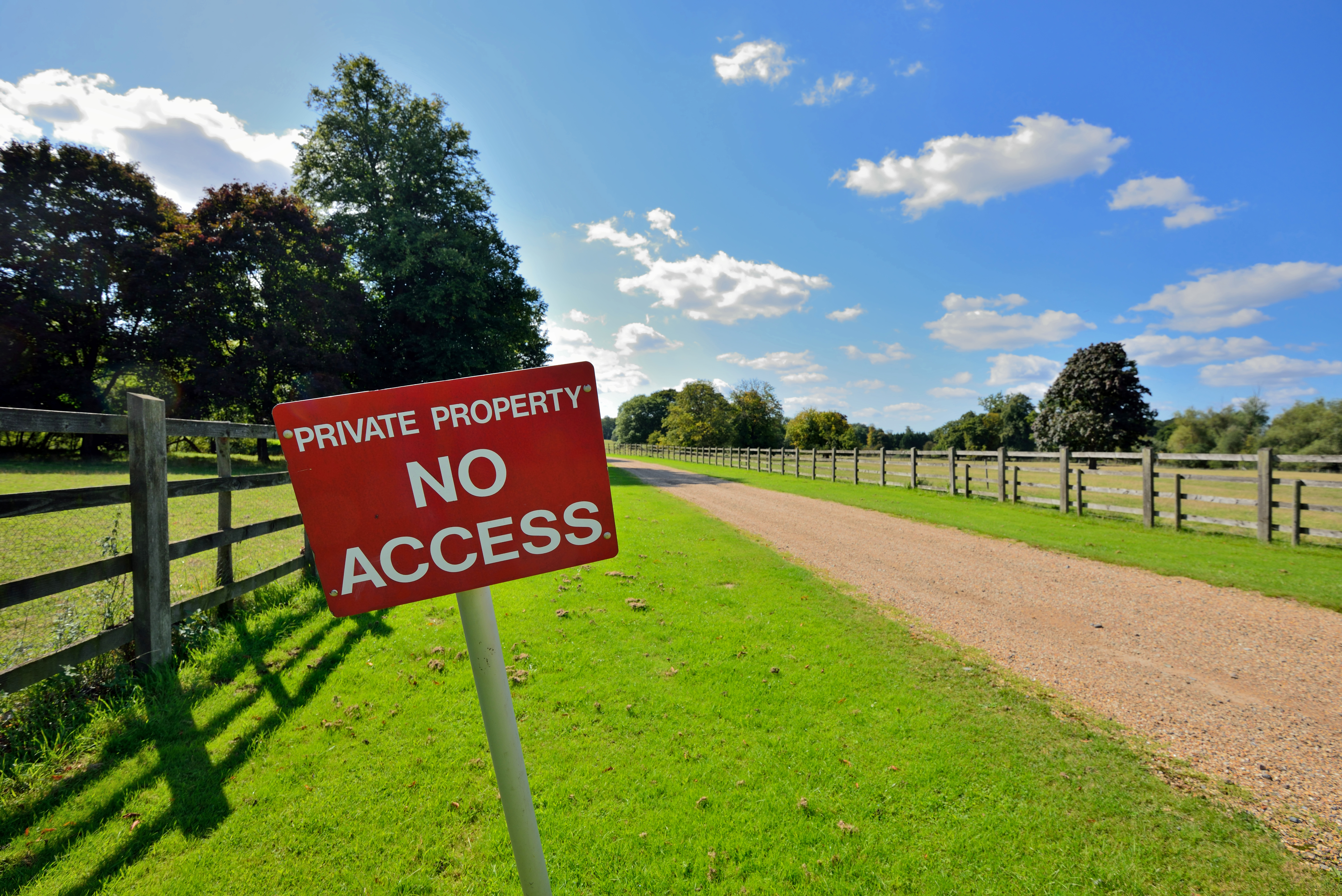
A “Public Trail” That Wasn’t So Public
What some locals had treated like a public access trail for years turned out to be something very different—a private driveway.
And when the landowner finally decided to put up a gate, the reaction wasn’t what you’d expect.
Instead of understanding, it sparked frustration, complaints, and a growing dispute over who really had the right to use the land.
Years of Unchecked Access
The situation had reportedly been building for years.
People in the area had grown used to cutting through the property, using a long gravel path to access nearby land, trails, or back routes. Over time, what started as occasional use turned into something that felt permanent.
To them, it had become “normal.”
But there was one problem:
It was never theirs to use.
The Moment Everything Changed
The turning point came when the landowner installed a gate at the entrance of the driveway.
No warning. No gradual transition.
Just a clear message:
Private property. No access.
Almost immediately, the complaints started.
People who had been using the route began pushing back—arguing that the path had been used for years and should remain open.
Some even referred to it as an “access trail,” as if time alone had turned it into public land.
The Legal Reality
But long-term use doesn’t always equal legal access.
According to guidance from the Texas Parks and Wildlife Department, private property rights in Texas are strongly protected, and landowners have the authority to control access to their land—including roads and driveways that cross it.
Unless there is a legally established easement or right-of-way, access is entirely up to the property owner.
And in this case, there was no indication that any formal easement existed.
When Convenience Becomes Expectation
Situations like this highlight a growing issue in rural areas.
People become accustomed to access—whether it’s a trail, a road, or a shortcut—and over time, convenience turns into expectation.
But from the landowner’s perspective, that “shortcut” can come with real problems:
-
Liability concerns
-
Property damage
-
Unwanted traffic
-
Safety risks
What might feel harmless to one person can be a major concern for the person who actually owns the land.
The Landowner’s Perspective
For the landowner, putting up a gate wasn’t about starting conflict.
It was about control.
Owning rural property often means dealing with:
-
Trespassing
-
Unauthorized hunting or fishing
-
Strangers crossing through without permission
Closing off access is one of the simplest ways to protect that investment.
And in Texas, that right is clearly supported.
A Growing Divide in Rural Areas
As more people move into rural communities or spend time outdoors, these types of conflicts are becoming more common.
The line between public and private land isn’t always obvious to everyone—but legally, it’s very clear.
According to land use principles recognized across Texas, private property remains private, regardless of how long others may have used it informally.
Why This Story Is Getting Attention
What makes this situation stand out isn’t just the gate—it’s the reaction.
The idea that a private driveway had been treated like a public trail for years—and that people were upset when it was closed—has struck a nerve.
It taps into a larger conversation about:
-
Property rights
-
Outdoor access
-
Respect for landowners
The Bottom Line
At the center of the situation is a simple reality:
It was never a public trail.
It was a private driveway.
And while years of use may have made it feel like shared space, the law—and the land—said otherwise.
For landowners, the message is clear:
You have the right to protect your property.
For everyone else, it’s a reminder:
Just because you’ve always used it… doesn’t mean you’re allowed to.