

7 Best Bass Lakes in Texas for Trophy Catches and Year-Round Action
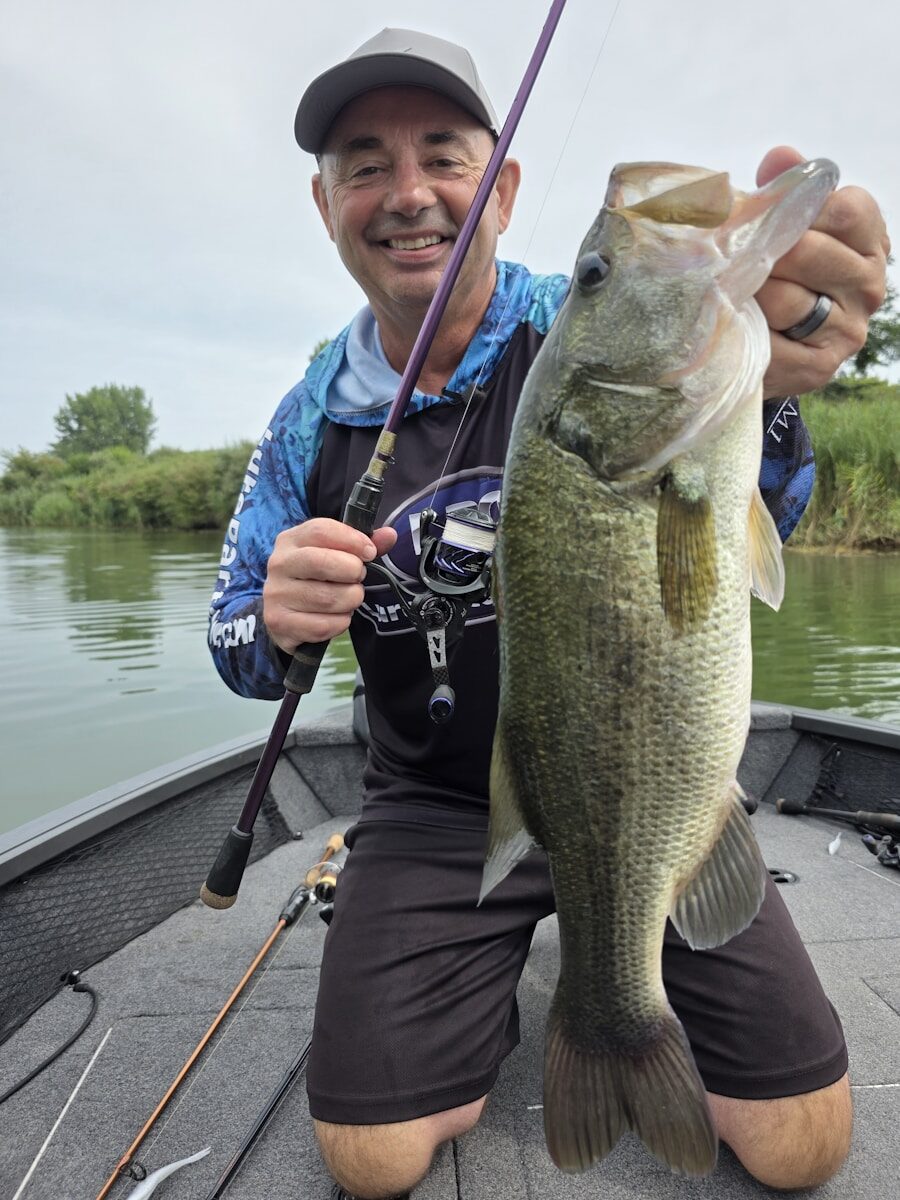
Texas offers some of the strongest bass fisheries in the country, and I have studied the lakes that consistently produce results. If you want to spend your time on water that gives you a real shot at quality largemouth, you need to focus on proven destinations.
I break down the seven best bass lakes in Texas so you can choose waters that match your goals, season, and fishing style. From clear-water reservoirs known for trophy potential to historic timber-filled lakes and major river impoundments, I guide you through what makes each one worth your effort, along with the conditions and conservation practices that shape bass fishing across the state.
1) O.H. Ivie Lake
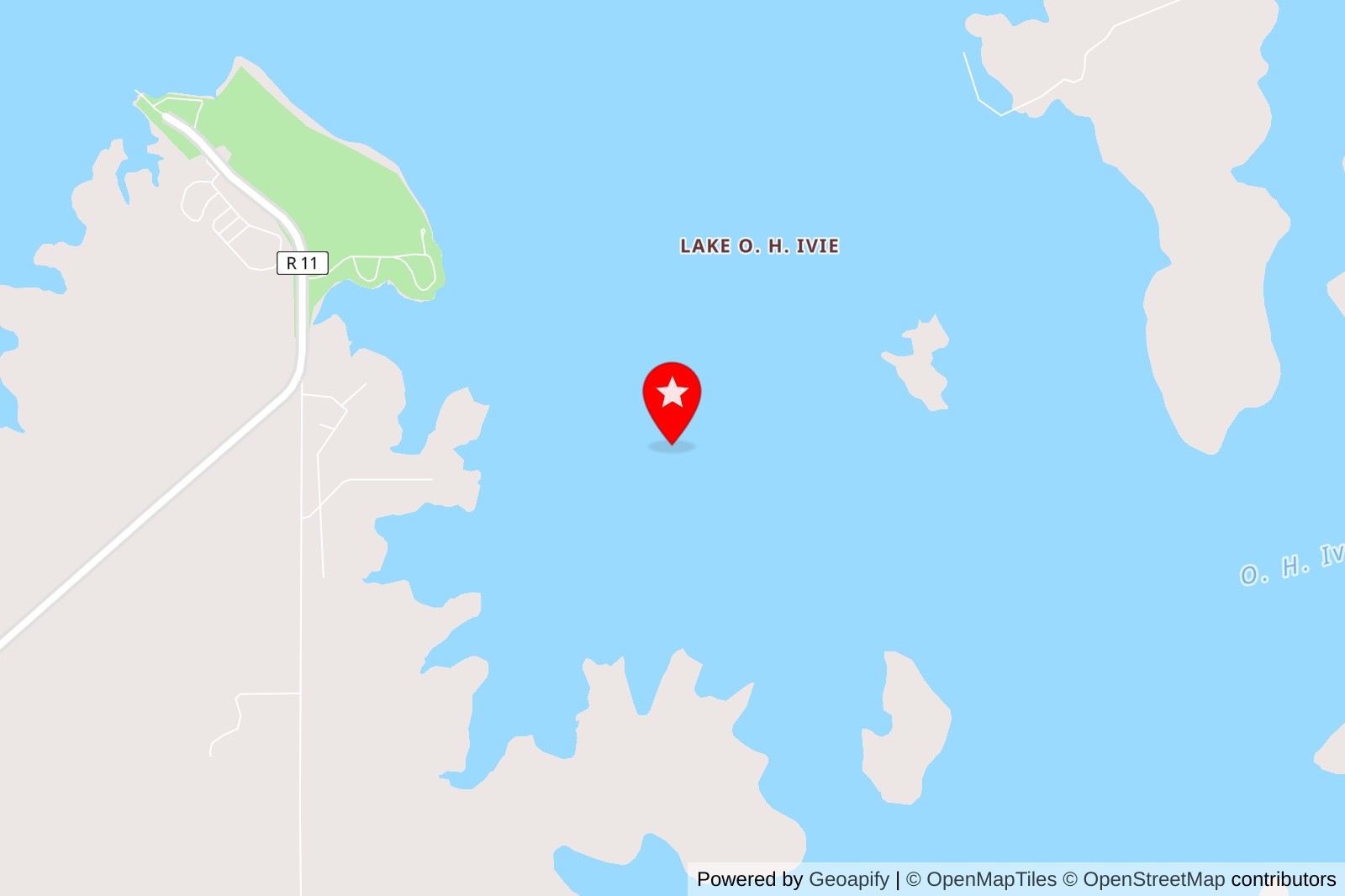
I spent a full day on O.H. Ivie Lake, and the size of the water immediately stood out. The lake stretches across open Texas landscape, with long points, submerged timber, and rocky structure that create ideal bass habitat.
I focused on main-lake points early in the morning and found active fish holding near drop-offs. The water clarity allowed me to adjust presentations with confidence. I saw anglers working crankbaits along deeper ledges while others flipped jigs into standing timber.
This lake has built a strong reputation for producing large largemouth bass. I noticed well-maintained boat ramps and plenty of room to spread out, even on a busy day. Wind can move across the open water quickly, so I kept an eye on conditions and planned my runs carefully.
O.H. Ivie feels built for serious bass fishing. The combination of structure, forage, and open space gives anglers room to pattern fish instead of crowding a single spot.
Rating: 4.6 (102 reviews)
Location: Texas
2) Lake Fork
I have fished Lake Fork several times, and it stands out as one of the most consistent bass lakes in Texas. The lake sits in East Texas and covers thousands of acres of flooded timber, creek channels, and structured points. It feels purpose-built for anglers who target largemouth bass.
Standing on the boat ramp at daylight, I noticed how much submerged timber still defines the lake. That structure creates ideal ambush spots, especially in spring when bass move shallow to spawn. I focused on secondary points and creek bends, and I found active fish relating to submerged wood in 8 to 15 feet of water.
Lake Fork has a strong reputation for producing large bass, and I saw why. The forage base is healthy, and the habitat supports both numbers and size. I also saw anglers using electronics to target deeper fish on ledges and brush piles, which shows how versatile the lake can be throughout the year.
The lake has multiple access points and marinas, which make launching straightforward. Even on busy weekends, I found enough water to fish without crowding.
Rating: 4.7 (345 reviews)
Location: Texas
3) Toledo Bend Reservoir
I spent a full day on Toledo Bend Reservoir, and its size stands out immediately. The lake stretches across the Texas–Louisiana border and offers miles of fishable water, with creek channels, submerged timber, and grass lines that hold bass year-round. I found it easy to move between shallow structure and deeper ledges without long runs.
Largemouth bass drive most of the action here. I focused on main-lake points in the morning and shifted to creek arms as the sun rose, and both produced steady bites. The mix of standing timber and open water gives anglers options, whether you prefer flipping heavy cover or working offshore structure.
Boat access is straightforward, with multiple ramps and marinas around the reservoir. I also saw plenty of anglers fishing from the bank near parks and campgrounds. The lake supports boating, camping, and other outdoor activities, but bass fishing clearly remains a priority for most visitors.
Wind can affect open water, so I planned my routes carefully. Even with changing conditions, the lake offered enough protected areas to keep fishing productive throughout the day.
Rating: 4.8 (384 reviews)
Location: Toledo Bend Reservoir
4) Caddo Lake
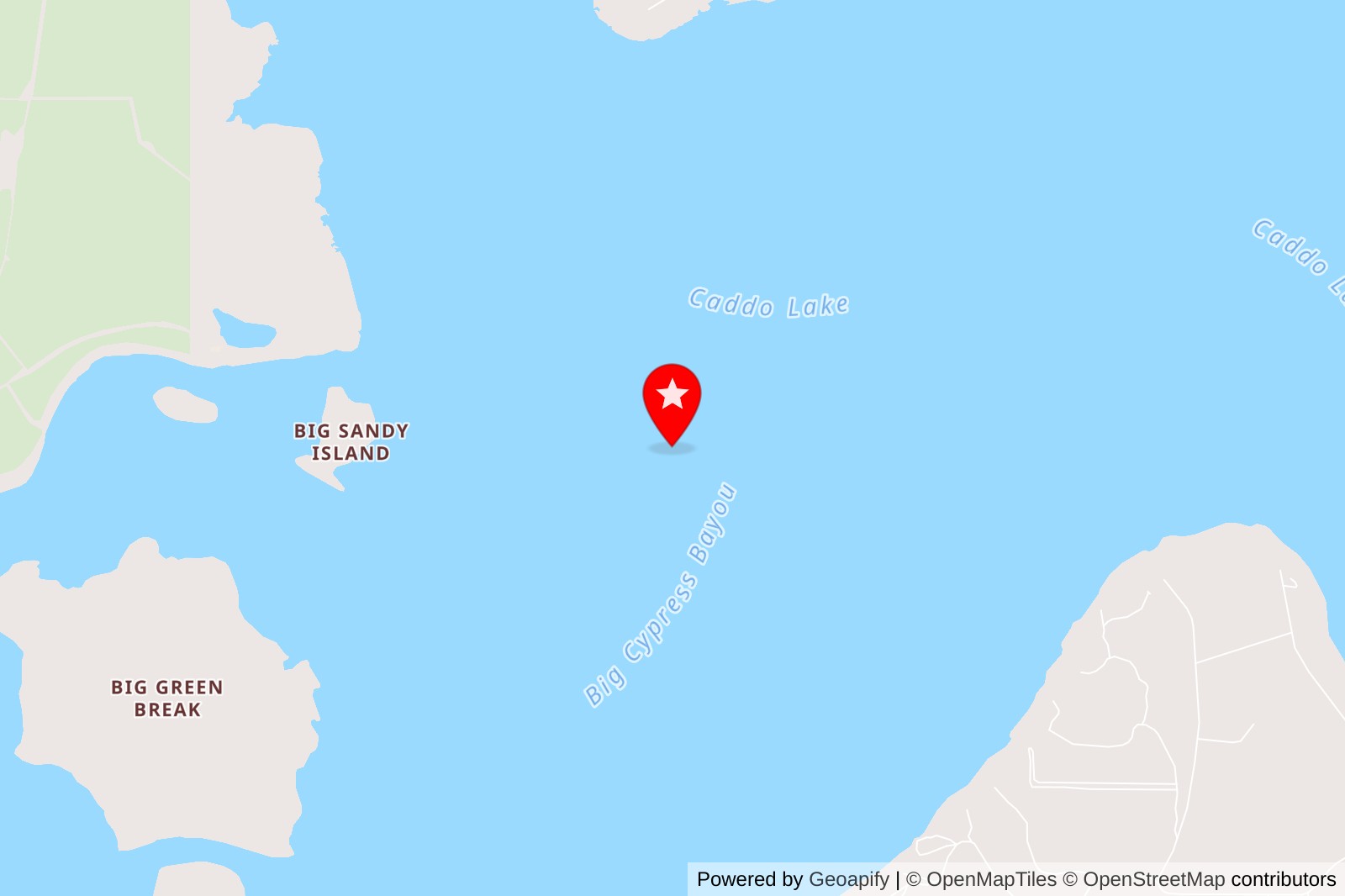
I launched at first light and eased into a maze of cypress trees draped in Spanish moss. The water stayed calm, and the shallow bayous gave me plenty of structure to work with. Every cast felt deliberate in such tight, cover‑heavy water.
Caddo Lake rewards anglers who like to fish wood. I targeted submerged timber, grass edges, and shaded pockets where largemouth bass wait to ambush bait. Flipping soft plastics around the trees produced steady action, and I saw several solid fish come out of thick cover.
The lake spreads across a mix of open water and narrow channels, so boat control matters. I kept my trolling motor low and moved slowly to avoid spooking fish in the clear, shallow sections. Alligators and abundant birdlife reminded me that this lake feels wild compared to many Texas reservoirs.
I found Caddo best suited for anglers who enjoy methodical fishing and reading structure. The combination of natural beauty and productive bass habitat makes it a consistent stop on my list.
Rating: 4.7 (289 reviews)
Location: Caddo Lake
5) Lake Nacogdoches
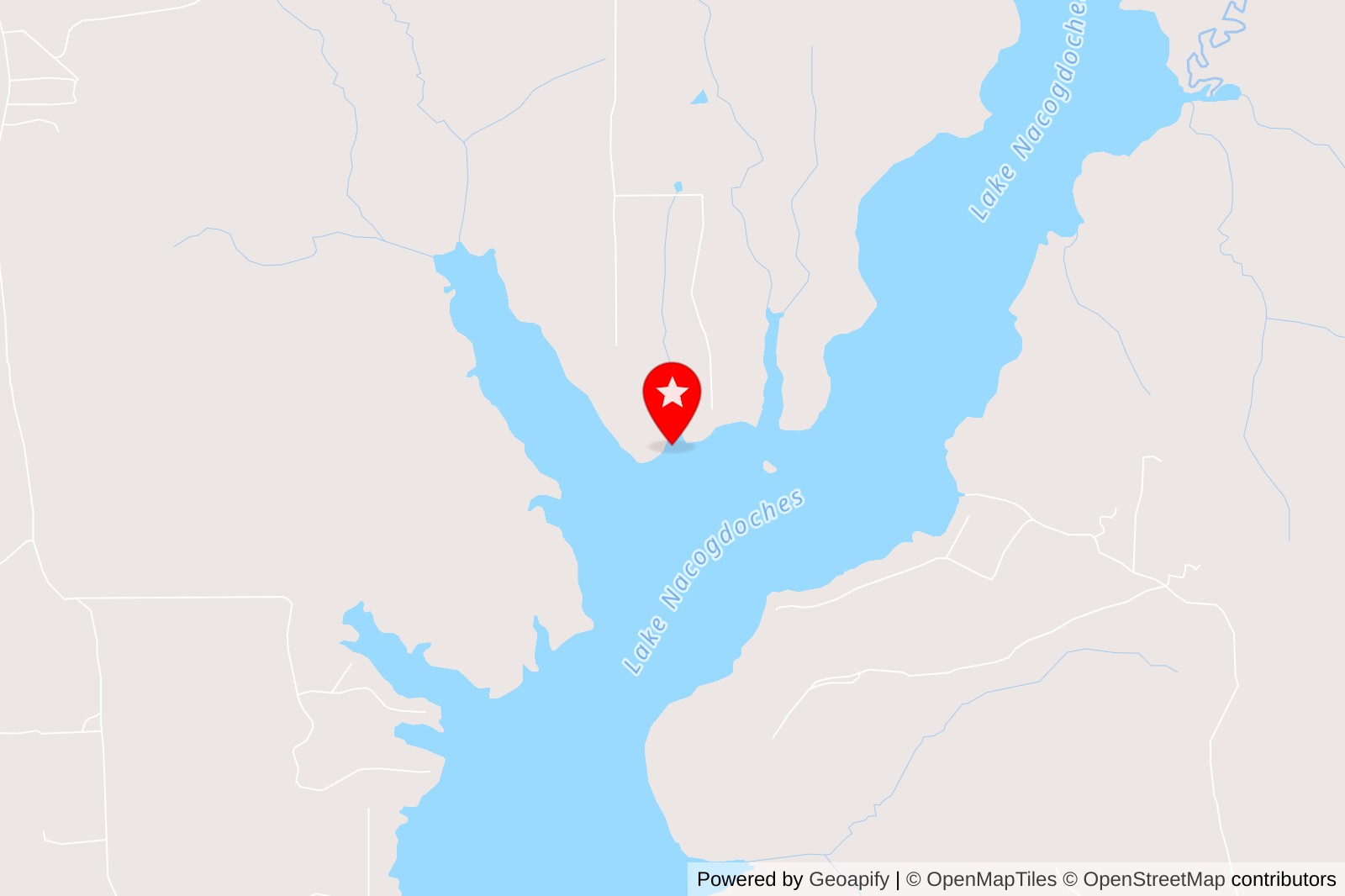
I fished Lake Nacogdoches on a calm spring morning, and the first thing I noticed was how quiet and open it felt. The lake sits just west of Nacogdoches and offers plenty of room to move without feeling crowded. The water was slightly stained, which I often prefer for bass fishing.
Largemouth bass are the main draw here. I worked soft plastics and spinnerbaits along submerged timber and grassy edges, and I found steady action near drop-offs and points. The lake has a healthy mix of shallow cover and deeper structure, which lets me adjust patterns as conditions change.
Boat access is straightforward, and the ramps are easy to use. I saw several anglers fishing from kayaks and small boats, taking advantage of the protected coves. The shoreline layout creates good wind breaks, which helps on breezy days.
I focus on early mornings and late afternoons when the bass push shallow. With consistent management and solid habitat, Lake Nacogdoches continues to produce dependable catches without the pressure of some larger Texas reservoirs.
Rating: 4.4 (78 reviews)
Location: Texas
6) Sam Rayburn Reservoir
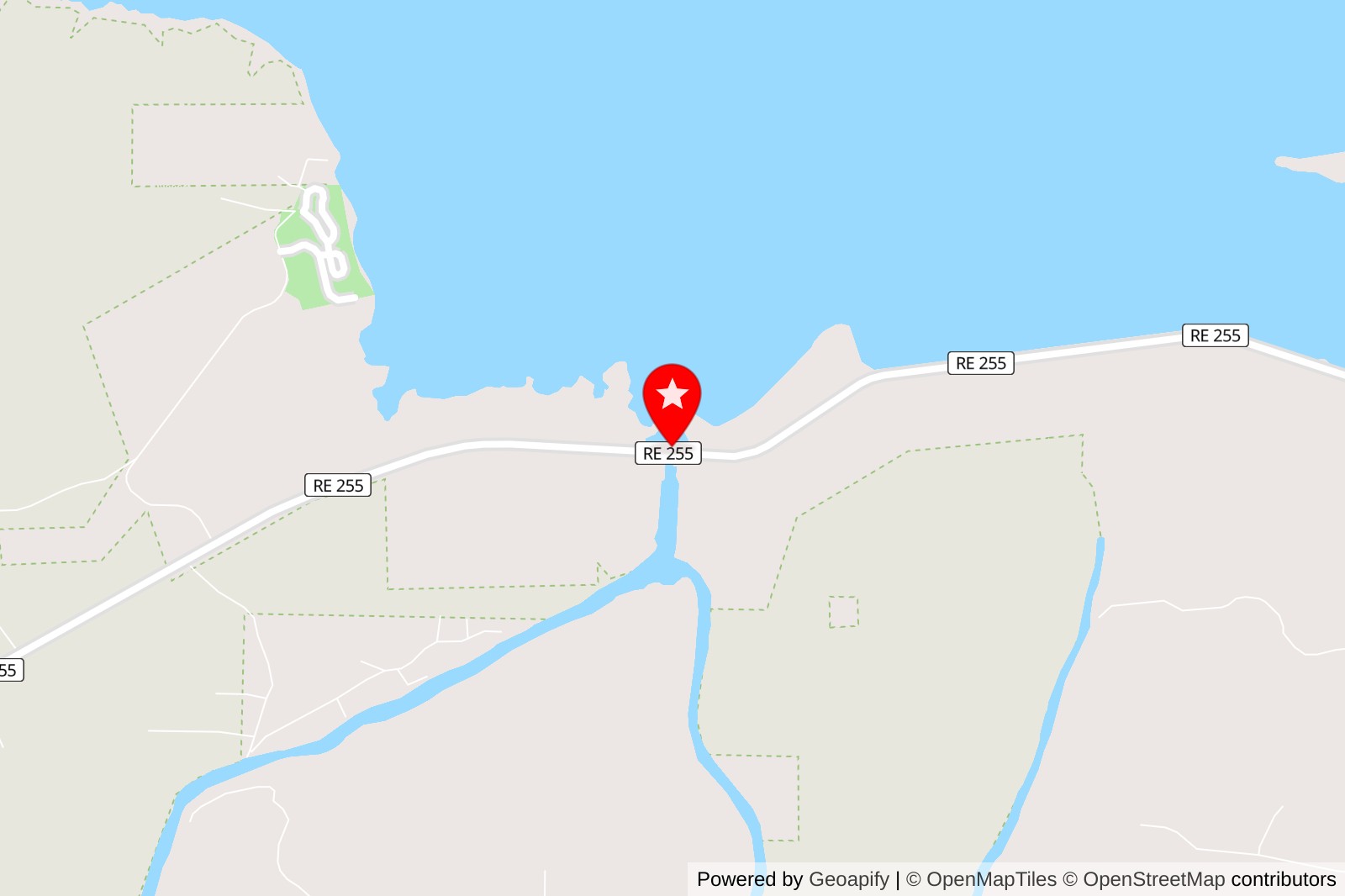
I spent a full day on Sam Rayburn Reservoir, and it quickly showed me why so many Texas anglers speak highly of it. The lake stretches wide with long points, creek channels, and flooded timber that give bass plenty of structure. I found it easy to move between shallow cover and deeper water without long runs.
Largemouth bass dominate here, and the habitat supports strong year-classes. I worked soft plastics around submerged timber in the morning, then shifted to crankbaits along main-lake points as the sun rose. The transitions between grass, wood, and drop-offs keep you adjusting patterns throughout the day.
Boat access is straightforward, and I saw anglers fishing everything from kayaks to fully rigged bass boats. Even with steady traffic, the lake’s size spreads people out. I appreciated how clearly defined many of the creek arms are, which makes it easier to break the reservoir into manageable sections.
Sam Rayburn sits upstream of the Big Thicket area, and the surrounding forest gives the lake a quiet, natural feel. I left with solid catches and a clear sense that this reservoir rewards preparation and time on the water.
Rating: 4.7 (130 reviews)
Location: Texas 75951
7) Lake Texoma
I spent a full day on Lake Texoma and quickly understood why bass anglers keep coming back. The lake stretches wide across the Texas–Oklahoma border, with long points, rocky banks, and submerged structure that consistently hold fish.
I focused on main-lake points early in the morning and found active largemouth near shallow cover. As the sun rose, I shifted to deeper ledges and brush piles, where the bite slowed but improved in size. The mix of clear and slightly stained water lets you adjust tactics without running far.
Marinas and boat ramps line much of the shoreline, so access stays simple even on busy weekends. I saw plenty of anglers targeting striped bass, but the largemouth fishing holds its own. The size of the lake gives you room to spread out and experiment with patterns.
Wildlife refuges and undeveloped stretches add to the experience. I appreciated how easy it was to launch, fish multiple types of structure, and still find quiet water away from heavy traffic.
Rating: 4.7 (1,059 reviews)
Location: Lake Texoma
Bass Fishing Conditions in Texas
Texas offers long growing seasons, varied water temperatures, and diverse lake types that directly affect bass behavior. I focus on seasonal patterns and regional weather shifts to decide when and where to fish.
Best Seasons for Bass Fishing
I see the most consistent action in spring, especially from March through May. As water temperatures rise into the 55–70°F range, largemouth bass move shallow to spawn. I target coves, creek arms, and flats with soft plastics, jigs, and spinnerbaits during this period.
Summer fishing remains productive but requires adjustments. When surface temperatures push above 85°F, bass often hold on deeper structure such as ledges, humps, and submerged timber. I fish early mornings, late evenings, and at night to avoid heat and heavy boat traffic.
Fall brings another strong window. Cooling water triggers baitfish movement, and bass feed aggressively in creeks and along windblown banks. Winter slows activity, yet Texas’ mild climate keeps many lakes fishable year-round, particularly in southern reservoirs where water rarely drops below the mid‑40s.
Typical Weather Patterns
Texas weather varies by region, and I adjust based on location. East Texas lakes such as Sam Rayburn and Toledo Bend receive higher rainfall, which can raise water levels and stain the water. West and Central Texas reservoirs, including Falcon and Amistad, often face drought conditions that lower lake levels and concentrate fish around remaining structure.
Spring storms frequently bring strong winds and falling barometric pressure. I take advantage of pre‑frontal conditions, when bass tend to feed more actively. After a front passes, I slow down and fish tighter to cover.
Summer heat dominates much of the state, with air temperatures often exceeding 95°F. High sun and clear skies push bass deeper or into heavy cover. In winter, cold fronts can drop water temperatures quickly, especially in North Texas, and I respond by fishing slower presentations in deeper water.
Conservation and Responsible Angling
I follow Texas regulations closely and practice careful fish handling on every trip. Clear rules and consistent catch-and-release habits protect bass populations in lakes like Fork, Sam Rayburn, Toledo Bend, and O.H. Ivie.
Local Regulations and Licensing
I purchase a valid Texas fishing license before I fish any public lake. Texas Parks and Wildlife Department (TPWD) requires a freshwater license endorsement for inland waters, and game wardens actively enforce compliance.
I also check lake-specific regulations before each trip. Some lakes use special length limits, slot limits, or reduced bag limits to protect trophy bass. For example, certain reservoirs manage largemouth bass with protective slots that require me to release fish within a defined size range.
Key points I verify:
- Daily bag limit for largemouth bass
- Minimum or slot length limits
- Any seasonal or gear restrictions
I review TPWD updates each year because regulations can change. Ignoring current rules can result in fines and harms long-term fishery management.
Catch-and-Release Practices
I release most largemouth bass, especially larger fish that contribute strong genetics to the population. Trophy lakes such as Lake Fork and O.H. Ivie depend on anglers returning big bass to the water in good condition.
When I practice catch and release, I focus on reducing stress and injury:
- I use barbless or flattened-barb hooks when possible.
- I land fish quickly to limit exhaustion.
- I keep the fish in the water while removing the hook.
- I wet my hands before handling to protect the slime coat.
I avoid holding heavy bass vertically by the jaw alone. Instead, I support the belly to prevent internal damage.
During hot Texas summers, I shorten fight times and release fish immediately. Warm water holds less oxygen, and delayed release increases mortality risk. Consistent handling discipline helps maintain strong bass populations across Texas lakes.