
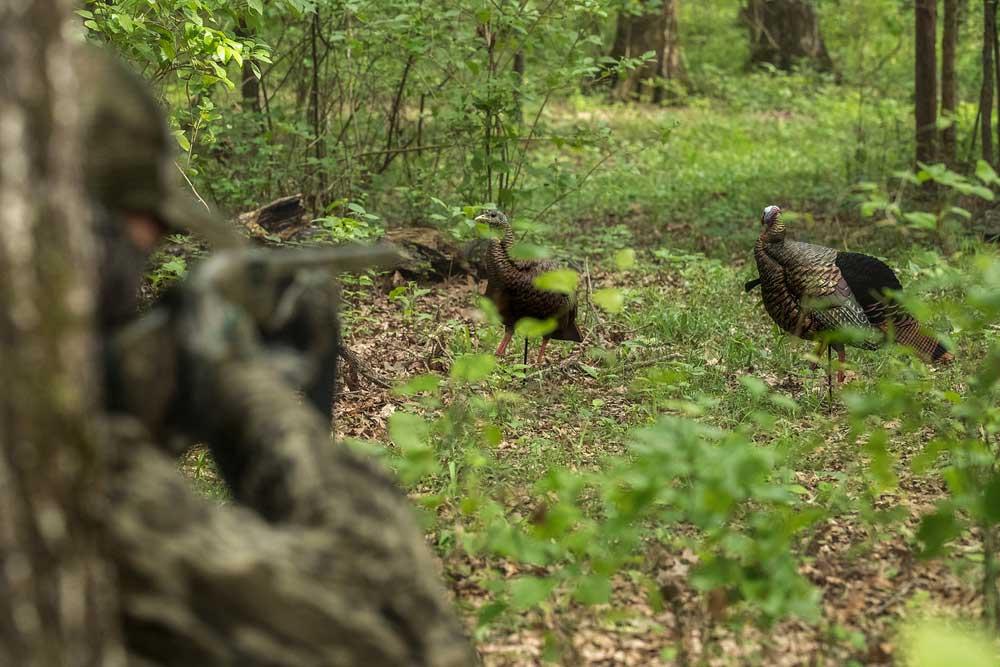
3 Year Old on Youth/Mentor Hunt Shoots 2 Other Hunters After Mistaking Them for a Turkey, One a 7 year Old, in Wisconsin – Sparks Safety Concerns Over Mentor Hunting Programs

A youth turkey hunt in Honey Creek Wildlife Area turned into a serious safety incident on April 12, 2026, after a 3-year-old child, assisted by an adult mentor, accidentally shot and wounded two hunters after mistaking them for a turkey.
The incident, now under investigation by the Wisconsin Department of Natural Resources, is raising renewed concerns about target identification and safety during mentored youth hunts.
What Happened in the Field
According to details reported by GearJunkie, the shooting occurred during Wisconsin’s youth turkey season when a mentor believed he saw movement resembling a turkey in the woods. Acting on that assumption, the adult positioned the child, helped aim a 12-gauge shotgun, and assisted in firing the shot, according to GearJunkie’s reporting on the incident.
Instead of striking a turkey, the blast hit two nearby hunters.
GearJunkie reports that the victims—a 40-year-old man and a 7-year-old child—were struck by shotgun pellets in the back, hand, and head. Both were transported to a hospital with injuries that were ultimately classified as non-life-threatening, according to GearJunkie.
Investigation Ongoing
The Wisconsin Department of Natural Resources has confirmed that the incident remains under active investigation. According to GearJunkie, authorities have not yet filed charges and are still determining whether the case will be referred to prosecutors.
As GearJunkie notes, investigations like this typically focus on whether proper safety protocols were followed, including target identification and mentor oversight during youth hunts.
The Role of Mentored Hunting Laws
One of the key elements in this case is Wisconsin’s mentored hunting framework.
According to GearJunkie, Wisconsin law allows youth hunters under 16 to participate in hunting activities under the direct supervision of an adult mentor. In certain situations, youth participants are not required to complete hunter education courses, provided they remain within arm’s reach of a qualified adult.
GearJunkie further reports that in this case:
- The 3-year-old hunter did not have hunter education certification
- The mentor was exempt due to prior military experience
While these conditions may fall within legal allowances, the incident is prompting questions about how those laws translate into real-world safety.
The Critical Breakdown: Target Identification
At the core of this incident is one of the most fundamental rules in hunting:
Know your target before you shoot.
According to GearJunkie, the mentor believed he saw what appeared to be a turkey fan—one of the most recognizable visual cues for turkey hunters. However, that assumption proved incorrect.
Turkey hunting presents unique risks because hunters often:
- Wear full camouflage
- Sit low or remain concealed
- Use decoys or turkey fans
GearJunkie notes that some hunters even use techniques like “reaping,” where they move behind a turkey fan to mimic a live bird—further increasing the chance of misidentification.
In these conditions, visual confirmation becomes more difficult—but also more critical.
A Split-Second Decision
Incidents like this unfold quickly.
A glimpse of movement. A shape that looks familiar. A decision made in seconds.
According to GearJunkie’s account, that’s exactly what happened here—a moment of assumed identification that led to a shot being taken without full confirmation.
The result was two injured individuals and a situation that could have easily been far worse.
A Reminder for the Hunting Community
While the investigation continues, the broader lesson is already clear.
According to the Wisconsin Department of Natural Resources, safe hunting practices depend heavily on proper identification of the target and what lies beyond it—principles that apply regardless of age or experience.
This incident is now being cited as a reminder of those fundamentals, particularly during youth hunts where responsibility ultimately falls on the mentor.
The Bottom Line
Two hunters were injured because a target was assumed—not confirmed.
That’s the reality of what happened at Honey Creek Wildlife Area.
As reported by GearJunkie and confirmed by the Wisconsin Department of Natural Resources, the investigation is still ongoing, and more details may emerge.
But the takeaway doesn’t require more information.
In hunting, there is no room for uncertainty when it comes to pulling the trigger.
Because sometimes…
What you think you see isn’t what’s really there.