
Why Shot Placement Matters More Than Caliber

Few debates in hunting get as much attention as caliber choice. Bigger, faster, more powerful—there’s always a new cartridge promising better performance. But despite all the discussion, one truth continues to stand above the rest:
Shot placement matters far more than caliber.
A perfectly placed shot with a modest cartridge will outperform a poorly placed shot from the most powerful rifle every single time.
The Goal Isn’t Power—It’s Precision
The purpose of any hunting shot is simple: deliver a quick, ethical, and effective kill. That comes down to hitting the animal’s vital organs—not how big your cartridge is.
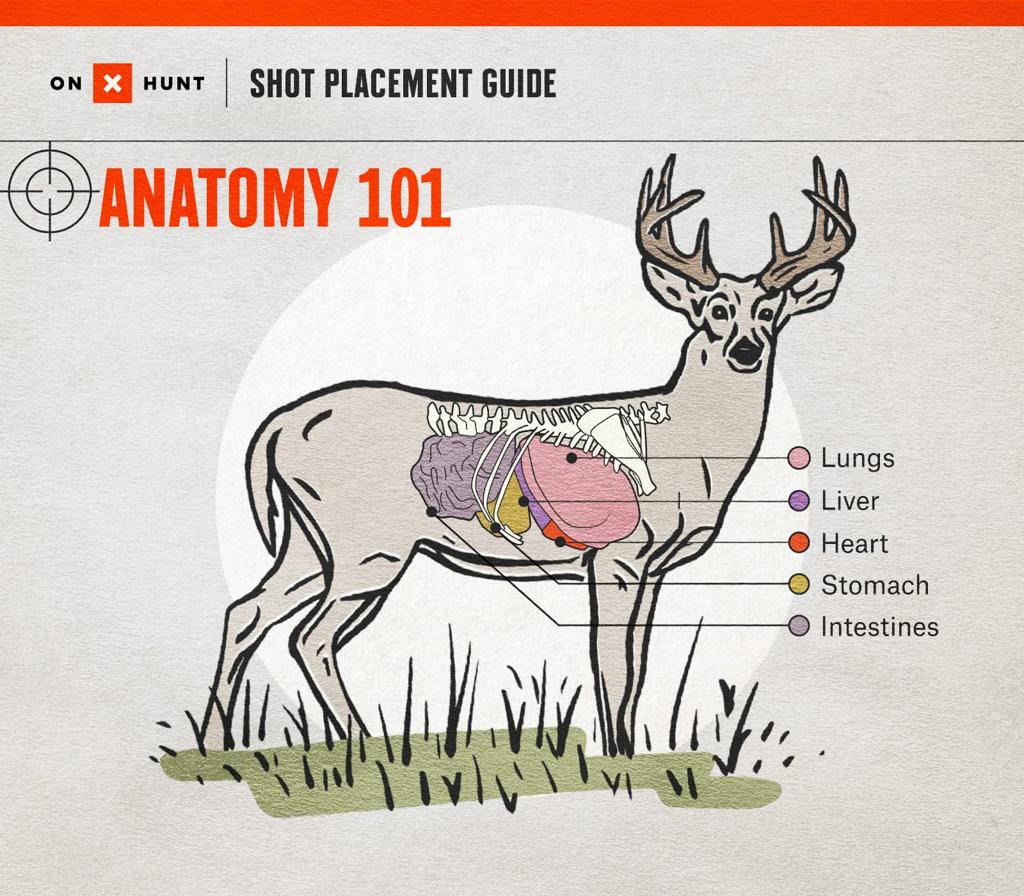
The vital zone on most big game animals, like whitetail deer, is relatively small. A shot placed through the heart and lungs will result in rapid blood loss and a quick recovery. Miss that zone, and even a powerful caliber may lead to a long, difficult tracking job—or worse, a lost animal.
According to guidance from the National Deer Association, ethical harvesting depends heavily on proper shot placement and understanding animal anatomy.
Bigger Calibers Don’t Fix Bad Shots
There’s a common misconception that a larger caliber can compensate for poor shot placement. In reality, it doesn’t.
A high-powered rifle might deliver more energy, but if the shot lands in a non-vital area—like the gut or hindquarters—it won’t produce a quick, humane kill.
According to hunter education standards supported by the U.S. Fish and Wildlife Service, shot placement is the most critical factor in determining how quickly and ethically an animal is harvested.
Energy doesn’t matter if it’s delivered to the wrong place.
Smaller Calibers Can Be Extremely Effective
Hunters have successfully taken big game with moderate calibers for decades. Cartridges like the .243 Winchester, .270, and .308 have proven that proper placement outweighs raw power.
With the right bullet and a well-placed shot, even lighter calibers can achieve clean, ethical kills.
The key is understanding your limitations and choosing shots you can make with confidence.
The Margin for Error Is Smaller Than You Think
Even with perfect conditions, animals move. Wind shifts. Adrenaline kicks in.
That means your margin for error is already limited.
Choosing a larger caliber might slightly increase your margin—but it doesn’t eliminate the need for precision. A few inches can be the difference between a clean kill and a long tracking job.
That’s why experienced hunters focus less on maximizing power and more on maximizing accuracy.
Practice Builds Better Shot Placement
Shot placement isn’t luck—it’s a skill.
It comes from:
- Time at the range
- Understanding your rifle or bow
- Practicing from real-world positions
- Learning how to control breathing and trigger pull
According to training principles from the National Shooting Sports Foundation, consistent practice is the foundation of accurate shooting under pressure.
The more you practice, the more confident and precise you become when it matters most.
Knowing When Not to Shoot Is Just as Important
Good shot placement isn’t just about where you aim—it’s also about when you decide to take the shot.
If the angle isn’t right, if the animal is moving, or if the distance is beyond your comfort zone, the best decision is often to wait.
Ethical hunters understand that passing on a bad shot is part of the responsibility that comes with hunting.
Bullet Performance Still Matters—But It’s Secondary
Caliber and bullet choice do play a role. You want a cartridge capable of reaching vital organs and a bullet that performs reliably.
But once those basic requirements are met, the focus should shift to placement.
A well-constructed bullet in the right location will always outperform a more powerful option in the wrong one.
The Bottom Line
Caliber matters—but it’s not the most important factor.
Shot placement is what determines success. It’s what ensures a clean, ethical harvest and minimizes suffering.
If you want to become a better hunter, spend less time worrying about what caliber you’re shooting and more time focusing on where your shot lands.
At the end of the day, it’s not about how much power you have—it’s about how well you use it.