
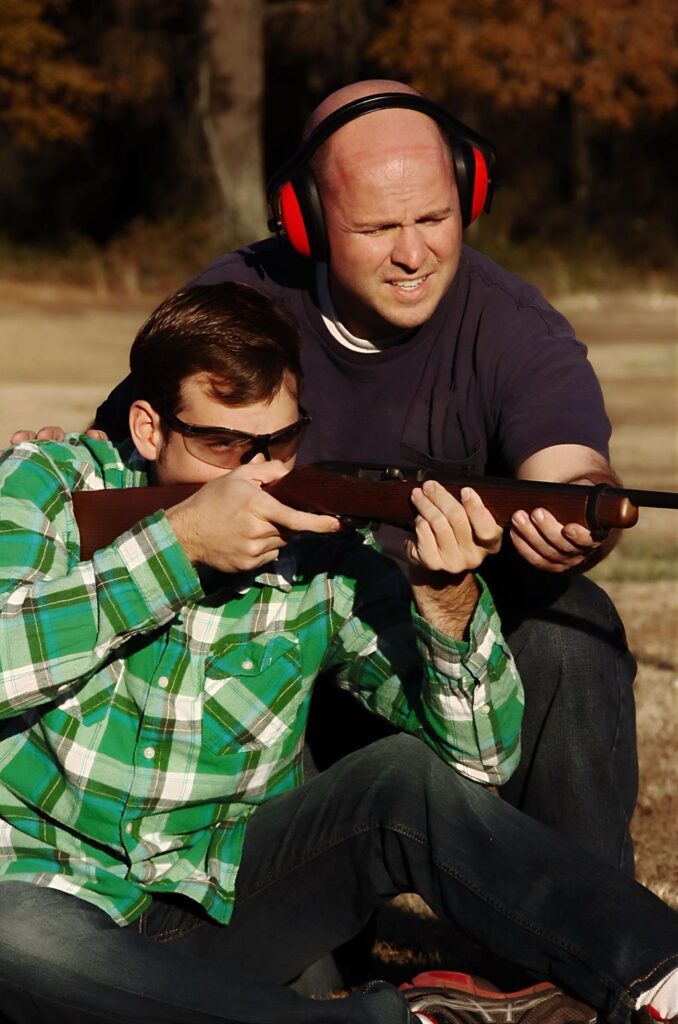
Why Practice Matters More Than Gear in Hunting

It’s easy to believe that better gear leads to better results in the field. Walk into any outdoor store or scroll through hunting content online, and you’ll see the latest rifles, optics, and camo being marketed as the key to success.
But the truth is much simpler—and a lot less expensive.
Practice matters more than gear. Every time.
The best hunters aren’t defined by what they carry. They’re defined by what they can do with it.
Skill Is What Actually Closes the Distance
Hunting isn’t just about pulling the trigger—it’s about getting into position for a shot in the first place.
That means:
- Understanding wind direction
- Reading terrain
- Moving quietly
- Knowing when to stop and when to go
These are skills that only come from time in the field. According to hunter education principles supported by the U.S. Fish and Wildlife Service, knowledge of animal behavior and environment consistently ranks as one of the most important factors in successful hunts.
No amount of expensive gear can replace that.
Accuracy Comes From Repetition, Not Equipment
You can buy a high-end rifle and top-tier optics—but if you haven’t put in the time behind the trigger, it won’t matter.
Practice builds:
- Muscle memory
- Trigger control
- Confidence under pressure
According to training insights from the National Shooting Sports Foundation, consistent practice is the foundation of accurate shooting, especially in real-world conditions where stress and movement come into play.
The more you shoot, the more predictable your performance becomes.
Confidence Is Earned, Not Purchased
There’s a big difference between hoping you can make a shot and knowing you can.
Confidence comes from repetition—range time, scouting, and real-world experience. When you’ve practiced enough, you don’t second-guess yourself. You trust your ability.
That kind of confidence is what allows you to stay calm, make good decisions, and execute when the moment comes.
Expensive Gear Doesn’t Fix Bad Habits
One of the biggest mistakes hunters make is trying to solve skill problems with equipment.
Missed shots, poor positioning, and bad decision-making aren’t fixed by:
- A more expensive rifle
- Better optics
- New camouflage
If your fundamentals aren’t solid, better gear won’t change the outcome.
According to guidance from the National Shooting Sports Foundation, proper technique—like trigger control, breathing, and shooting position—is far more important than equipment upgrades when it comes to accuracy.
Practice Builds Situational Awareness
The more time you spend hunting or preparing to hunt, the more aware you become of your surroundings.
You start to notice:
- Subtle movement in the woods
- Changes in wind direction
- Animal patterns and behavior
These small details are often what separate successful hunters from everyone else.
Gear Still Matters—But It’s Not the Priority
None of this means gear is irrelevant. Reliable equipment is important. You need a rifle or bow you can trust, optics that function properly, and clothing suited to your environment.
But once you have a solid baseline, improving your skills will always have a bigger impact than upgrading your gear.
A hunter with average equipment and strong fundamentals will consistently outperform someone with top-tier gear and limited experience.
The Hunters Who Succeed Focus on the Basics
The most successful hunters tend to keep things simple. They focus on:
- Shot placement
- Wind and movement
- Consistency in practice
- Understanding animal behavior
They don’t chase every new piece of gear—they invest in their own ability.
The Bottom Line
Gear can help—but it won’t make you a better hunter on its own.
Practice is what builds skill. Skill is what creates opportunity. And opportunity is what leads to success.
If you want to improve your hunting, spend less time worrying about what you need to buy—and more time focusing on what you need to learn.
At the end of the day, the hunter—not the gear—is what makes the difference.