
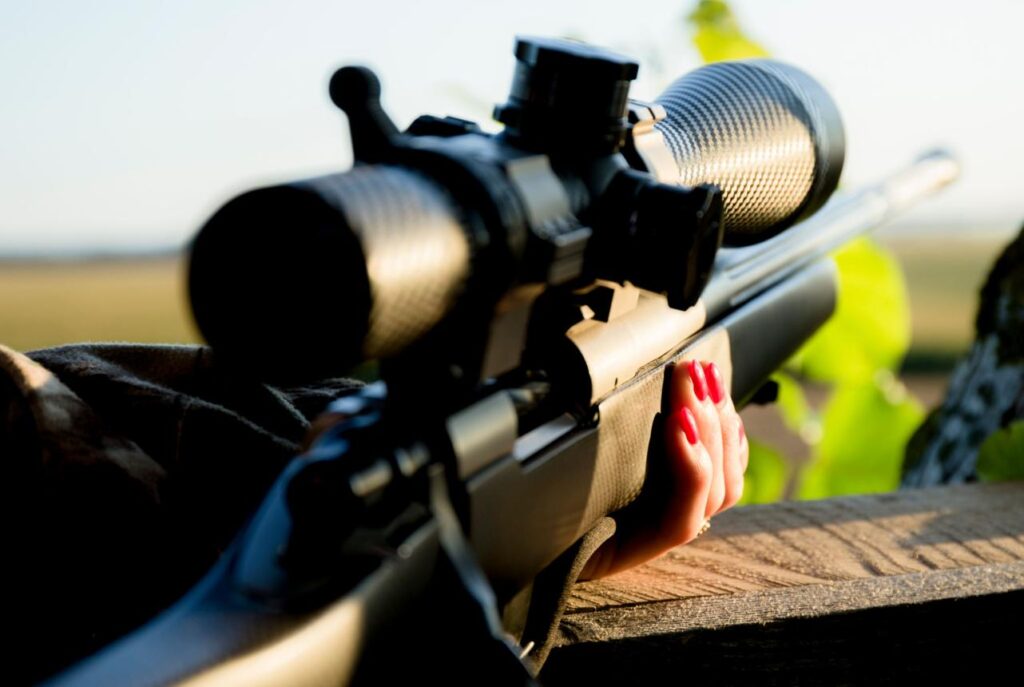
3 Best Hunting Setups for Any Situation

No matter where or what you hunt, success usually comes down to one thing—being prepared for the situation in front of you. Terrain, weather, pressure, and animal behavior all change how a hunt unfolds, and having the right setup can make the difference between punching a tag or going home empty-handed.
The good news is you don’t need dozens of different systems. Most hunting scenarios can be covered with three proven setups that work across a wide range of environments.
The Tree Stand Setup Dominates in Whitetail Country
If you hunt whitetail deer, especially in areas like Texas, the Midwest, or the Southeast, the tree stand is one of the most effective setups you can use.
An elevated position gives you several advantages. First, it keeps your scent above ground level, which can reduce the chances of deer catching your wind. Second, it improves visibility, allowing you to see movement through thick cover that would otherwise block your view.
A solid tree stand setup typically includes:
- A reliable stand or saddle system
- Safety harness
- Shooting rail or stable rest
- Quiet entry and exit route
Position matters more than anything. Setting up along travel corridors, funnels, or downwind of bedding areas dramatically increases your chances of seeing deer. According to habitat and movement research from the National Deer Association, deer consistently move along predictable routes between bedding and feeding areas, making stand placement critical.
This setup shines during early morning and late evening movement, especially during the rut when bucks are actively cruising.
The Spot and Stalk Setup Excels in Open Terrain
When you’re hunting in wide-open country—mountains, plains, or large ranches—the spot and stalk method becomes one of the most effective approaches.
Instead of waiting for animals to come to you, you locate them first using optics, then plan a stalk based on terrain and wind.
A strong spot and stalk setup includes:
- Quality binoculars or a spotting scope
- A lightweight, accurate rifle
- Rangefinder
- Pack for gear and meat
This method requires patience and discipline. You’re not just hunting animals—you’re hunting opportunities. Every movement matters, and one wrong step can end the stalk.
According to field strategy insights from the Backcountry Hunters & Anglers, successful spot and stalk hunters rely heavily on wind direction, terrain features, and staying out of sight while closing distance.
This setup is ideal for mule deer, elk, antelope, and even hogs in more open environments.
The Ground Blind Setup Offers Concealment and Comfort
If you’re hunting fields, feeders, or edges where deer or hogs are likely to appear, a ground blind setup can be extremely effective.
Unlike tree stands, ground blinds keep you at eye level but rely on concealment rather than elevation. When set up correctly, they allow you to remain hidden while maintaining a clear shooting lane.
A good ground blind setup includes:
- Pop-up or natural brush blind
- Comfortable seating
- Stable shooting rest
- Proper positioning with wind in mind
Ground blinds are especially useful for:
- Hunting with kids or new hunters
- Rifle hunting over longer distances
- Areas where trees aren’t suitable for stands
According to hunter education guidance supported by the U.S. Fish and Wildlife Service, concealment and minimizing movement are critical factors in ground-level hunting success.
They also offer more comfort, which can help you stay in position longer—and more time in the field usually means more opportunities.
Matching the Setup to the Situation
Each of these setups has its place, but the key is knowing when to use them.
- Thick woods and predictable movement → Tree stand
- Open terrain and visible animals → Spot and stalk
- Field edges and controlled environments → Ground blind
The best hunters aren’t locked into one style—they adapt based on conditions.
The Bottom Line
You don’t need every piece of gear on the market to be successful. What you need is a setup that matches your environment and allows you to hunt effectively.
Tree stands, spot and stalk, and ground blinds cover almost every situation you’ll encounter. Master those three, and you’ll be prepared no matter where your next hunt takes you.
At the end of the day, it’s not about having more options—it’s about having the right one when it counts.