
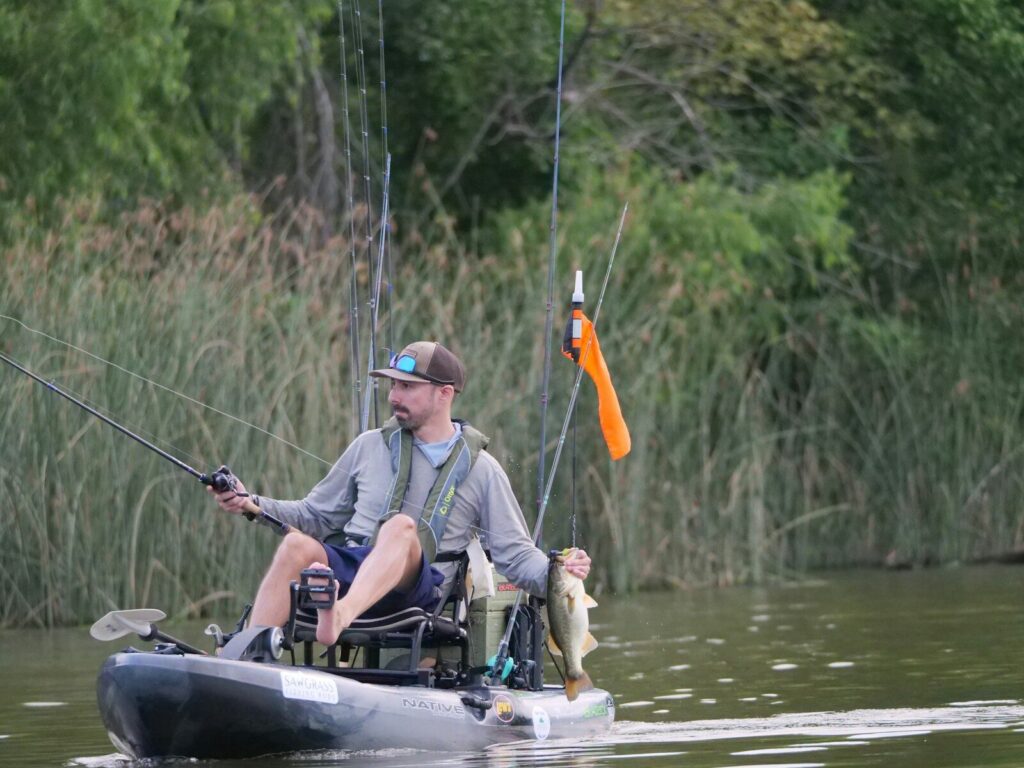
6 Best Fishing Kayaks for Fishing Under $800 — Top Affordable, Stable Picks for Serious Anglers

You want a capable fishing kayak that won’t blow your budget, and this article shows practical options under $800 that balance stability, storage, and comfort. You’ll learn which models give the best value for common angling needs and what features matter most when choosing a kayak for lakes, rivers, and calm coastal waters.
Expect clear comparisons of popular sit-on-top and recreational models, plus guidance on important buying factors and simple upgrades to improve your time on the water. The goal is to help you pick a kayak that matches your fishing style and budget with confidence.
1) Pelican Catch Mode 110
You’ll find the Catch Mode 110 is built specifically for anglers who want stability and practical features at a modest price. Its tunnel hull and wide, flat deck provide a secure standing platform and make casting easier without feeling tippy.
The molded Ergoboost seating system adds comfort for long outings and helps reduce back fatigue. You get integrated accessory tracks, a rear storage well with bungees, and anti-slip deck pads to keep gear and footing secure.
Rated for a high payload, this 10’8″ sit-on-top handles heavy loads of gear and a cooler without sacrificing maneuverability. The Ram-X construction offers impact resistance and low maintenance, so you won’t worry about dings from launches or trailering.
If you’re new to kayak fishing or want a dependable platform for lakes and slow rivers, this model balances user-friendly design with angler-focused features. It fits anglers who prioritize stability, storage, and straightforward setup over premium speed or race-oriented performance.
2) Perception Pescador Pro 12
The Pescador Pro 12 gives you a stable, 12-foot sit-on-top platform that works well on lakes, rivers, and calm coastal waters. It tracks reliably and feels predictable when you paddle or cast, which helps you focus on fishing instead of balancing.
Storage and accessory options are generous for the price range. You get a molded storage area, a covered tankwell, and accessory mounts that let you add rod holders or electronics without retrofitting.
Comfort is a standout feature thanks to an adjustable, removable seat that supports long days on the water. The cockpit layout keeps controls and gear within easy reach so you can move efficiently while fishing.
If you value a balance of stability, storage, and value, the Pescador Pro 12 is a strong contender under $800. Its combination of features makes it suitable for anglers who want a capable, affordable fishing kayak.
3) Old Town Hunter 12
You’ll find the Old Town Hunter 12 balances stability and tracking in a compact 12-foot hull. Its sit-on-top design gives you easy entry and exit, plus open deck space for tackle and gear.
The molded footrests and adjustable seat let you fine-tune comfort for long days on the water. Expect predictable handling in lakes, slow rivers, and protected bays without sacrificing maneuverability.
Storage includes a rear tank well and bow accessory areas so you can organize rods, boxes, and a cooler. Built from durable high-density polyethylene, the hull stands up to repeated use and common trailering wear.
If you want a straightforward fishing platform under $800, the Hunter 12 delivers practical features and forgiving performance. You’ll have a stable base for casting, landing fish, and carrying the essentials without extra complication.
4) Sun Dolphin Excursion 12 SS
The Sun Dolphin Excursion 12 SS gives you a stable, affordable sit-in kayak for lakes and slow rivers. It tracks reasonably well for its price and feels secure when you’re casting or moving gear.
You get a large cockpit with an adjustable padded seat and foot braces for longer outings. Built-in rod holders and a portable accessory carrier add practical storage without aftermarket mods.
The hull uses UV-stabilized polyethylene, which keeps costs down while remaining durable for casual use. Expect thinner plastic than premium rotomolded boats, so avoid heavy impacts and store it out of direct sun when possible.
If you want a budget fishing platform that’s easy to transport and comfortable for day trips, this model fits that need. Compare it against rotomolded kayaks if you prioritize long-term durability or extended offshore use.
5) Wilderness Systems Tarpon 100
You’ll find the Tarpon 100 is a compact, sit-on-top kayak that balances stability and maneuverability. Its 10-foot length makes it easy to transport and quick to respond to steering inputs.
The cockpit layout favors anglers and casual paddlers alike. Molded rod holders, accessory tracks, and open storage let you organize gear without cluttering your deck.
You can expect a stable platform for standing or casting in calm lakes, bays, and slow rivers. The hull offers predictable tracking, though it won’t slice through chop like longer touring kayaks.
Comfort is reasonable for day trips; the seat and footwells accommodate most body types. If you want a lightweight, versatile kayak under $800, the Tarpon 100 is a practical option that won’t overwhelm you on launch or retrieval.
6) Lifetime Tamarack Angler 100
You’ll find the Tamarack Angler 100 built as a straightforward, stable sit-on-top kayak that suits beginners and budget-conscious anglers. Its 10-foot length and flat-bottom hull emphasize stability for casting and moving around while fishing.
The kayak comes with a padded seat and backrest for longer outings, though you might upgrade the seat later if you want more comfort. Molded storage areas and simple accessory mounts let you carry tackle and add a fish finder or rod holders without major modifications.
Performance favors calm waters and nearshore fishing; you shouldn’t expect high speed or long-distance tracking like pricier models. For what it costs, you get dependable build quality and an easy-to-manage platform that gets you on the water quickly.
Key Factors to Consider Before Buying
Choose a kayak that matches where you fish, how you move it, and how much gear you bring. Prioritize a durable hull, the right stability for standing or casting, and storage that fits rods, tackle, and cooler.
Material and Durability
Look for impact-resistant high-density polyethylene (HDPE) in rotomolded construction; it resists rocks, UV, and repeated launching better than thin thermoformed plastic. Check wall thickness and manufacturer impact ratings when available — thicker walls reduce flex and noise when you paddle or land fish.
Inspect the hull finish and seams. Molded-in inserts and reinforced transoms indicate a boat built to take aftermarket accessories like fishfinders or rudder mounts. Ask about UV stabilizers, warranty length, and whether the kayak’s hardware (hatches, seat tracks, scupper plugs) is replaceable.
If you plan saltwater use, prioritize stainless-steel fittings or marine-grade coatings to avoid corrosion. For inflatable or folding designs, verify fabric denier, seam construction, and repair kits included with the kayak.
Stability and Weight Capacity
Identify the primary stability needed: stable for standing and casting, or faster secondary stability for lean and surf control. Look at hull shape — wider, flatter hulls (typically 32″–36″+) give primary stability; narrower, V-shaped hulls track better but feel tippier when you move.
Match the kayak’s max payload to your combined weight: your body, clothing, electronics, cooler, and tackle. A conservative rule is to leave 20–25% of rated capacity as reserve for fuel, an extra battery, or unexpected gear. Overloading reduces freeboard and handling, increasing water on deck and risk of swamping.
Check manufacturer specs for dry weight too. Lighter boats are easier to car-top and launch, but very light hulls often sacrifice secondary stability and can be more affected by wind.
Storage and Portability
Decide how many rods, how much tackle, and whether you need room for a cooler or livewell. Look for dedicated rod holders, built-in tackle trays, and a rear tank well with adjustable bungee or mounting points for a crate. Multiple sealed hatches are useful for keeping electronics dry and distributing weight.
Evaluate carry options: molded handles, heel wells for two-person carries, and total kayak weight. Measure your vehicle’s roof clearance and rack rating before committing. If you’ll frequently launch solo, under‑50‑lb sit-on-top models or pedal kayaks with cart compatibility simplify handling.
Consider modularity: accessory tracks, removable seats, and accessory plates that allow you to reconfigure storage for different trips.
Enhancing Your Kayak Fishing Experience
Choose practical gear and simple care routines that directly improve comfort, safety, and catch rates on trips. Focus on compact, multi-use items and regular maintenance to keep an affordable kayak performing well season after season.
Essential Accessories
Bring a PFD designed for fishing with pockets and attachment points; comfort and storage matter more than a minimalist flotation vest. Add a rod leash and paddle leash to prevent losing gear when you land fish or make quick adjustments.
Install a universal rod holder plus one adjustable side-mount or rail system for different rod angles. Carry a small tackle box with pre-rigged leaders and a selection of three lure types (topwater, soft plastic, and a sinking bait).
Use a compass or small GPS unit and a waterproof phone case for navigation and emergency communication. Pack a compact anchor or stake-out pole for holding position in wind or current.
- Optional: foam seat cushion or aftermarket padded seat for long days.
- Optional: dry bag for extra clothing and electronics.
Maintenance and Care Tips
Rinse your kayak with fresh water after every saltwater trip; salt accelerates corrosion and degrades plastics. Wipe metal fittings dry and spray light clothing-safe lubricant on hinges, pedals, and rudder cables quarterly.
Inspect hull seams and scupper plugs monthly for cracks or loose fittings. Tighten mounting hardware and replace worn bungee cord or tie-down straps before they fail. Store your kayak indoors or under UV-resistant cover, hull upside down on wide padded supports to prevent warping.
Perform an annual deep check: clean scuppers, remove old adhesive, and touch up small scrapes with UV-safe plastic repair kit. Keep a small repair kit in your car: spare plugs, cam-buckle straps, marine-grade silicone, and a multi-tool.