
Fishing Mistakes Beginners Make—and How to Avoid Them

Fishing looks simple—cast, wait, catch. But anyone who’s spent time on the water knows there’s more to it. Beginners often struggle not because fish aren’t there, but because small mistakes add up.
The good news? Most of these mistakes are easy to fix once you know what to look for.
Fishing the Wrong Location
One of the biggest mistakes beginners make is fishing where there are no fish.
Casting into open, featureless water might feel natural, but it’s rarely productive. Fish—especially bass—relate to structure and cover.
Look for:
- Docks
- Brush piles
- Rocks
- Vegetation
According to the Texas Parks and Wildlife Department, fish use structure for protection and feeding opportunities, making these areas the most productive places to target.
If you’re not around structure, you’re likely wasting time.
Ignoring Time of Day
Fishing at the wrong time can make even good spots feel empty.
Many species feed more actively during:
- Early morning
- Late evening
Midday, especially in summer, can slow things down significantly.
According to seasonal behavior insights from the U.S. Fish and Wildlife Service, fish are more active during low-light conditions, particularly in warmer months.
If you can, plan your trips around those windows.
Using the Wrong Lure for Conditions
Not all lures work in all conditions.
Beginners often stick with one bait regardless of water clarity, depth, or fish behavior.
Instead, adjust based on conditions:
- Clear water → natural colors
- Murky water → brighter colors or vibration
- Cold water → slower presentations
- Warm water → more aggressive movement
Matching your lure to the environment can make a huge difference.
Moving Too Fast
Fishing too quickly is another common mistake.
Beginners often:
- Retrieve too fast
- Change spots too often
- Don’t give fish time to react
In many cases, slowing down leads to more bites.
According to angling strategy guidance from the Bass Anglers Sportsman Society, a slower presentation is often more effective, especially when fish are less aggressive.
Poor Casting Technique
Casting may seem basic, but poor technique can limit your success.
Common issues include:
- Inaccurate casts
- Excessive noise hitting the water
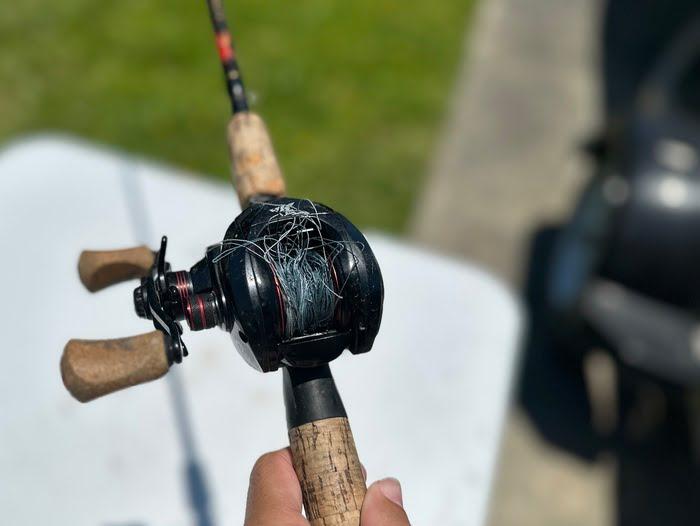
- Line tangles or backlash
Practice helps, but focus on:
- Smooth, controlled casts
- Accuracy over distance
- Quiet entry into the water
The more precise your casts, the better your chances.
Not Paying Attention to Line and Gear
Beginners often overlook their line and equipment.
Problems like:
- Old or damaged line
- Incorrect line weight
- Loose drag settings
…can cost you fish.
Regularly check your gear and make sure everything is functioning properly.
Fishing Without a Plan
Going out without a strategy can lead to frustration.
Before you start:
- Think about where fish are likely to be
- Consider weather and water conditions
- Decide what techniques you’ll use
Even a simple plan gives you direction.
Giving Up Too Quickly
Fishing requires patience.
Beginners often expect quick results and get discouraged when bites don’t come immediately.
But fishing is about adapting:
- Change depth
- Change lure
- Change location
The anglers who catch fish are usually the ones who keep adjusting.
Overcomplicating Everything
With so much information available, it’s easy to overthink fishing.
You don’t need:
- Dozens of rods
- Hundreds of lures
- Complex setups
Start simple:
- A reliable rod and reel
- A few proven lures
- Basic understanding of fish behavior
According to participation insights from the Recreational Boating & Fishing Foundation, simplicity is one of the biggest factors in helping new anglers succeed and stick with fishing.
The Bottom Line
Fishing mistakes are part of the process—but they don’t have to hold you back.
Focus on:
- Fishing the right locations
- Timing your trips
- Adjusting to conditions
- Keeping things simple
The more you learn and adapt, the more success you’ll have.
Because at the end of the day, fishing isn’t about doing everything—it’s about doing the right things consistently.