
Topwater Fishing Secrets: What Actually Triggers the Blowup

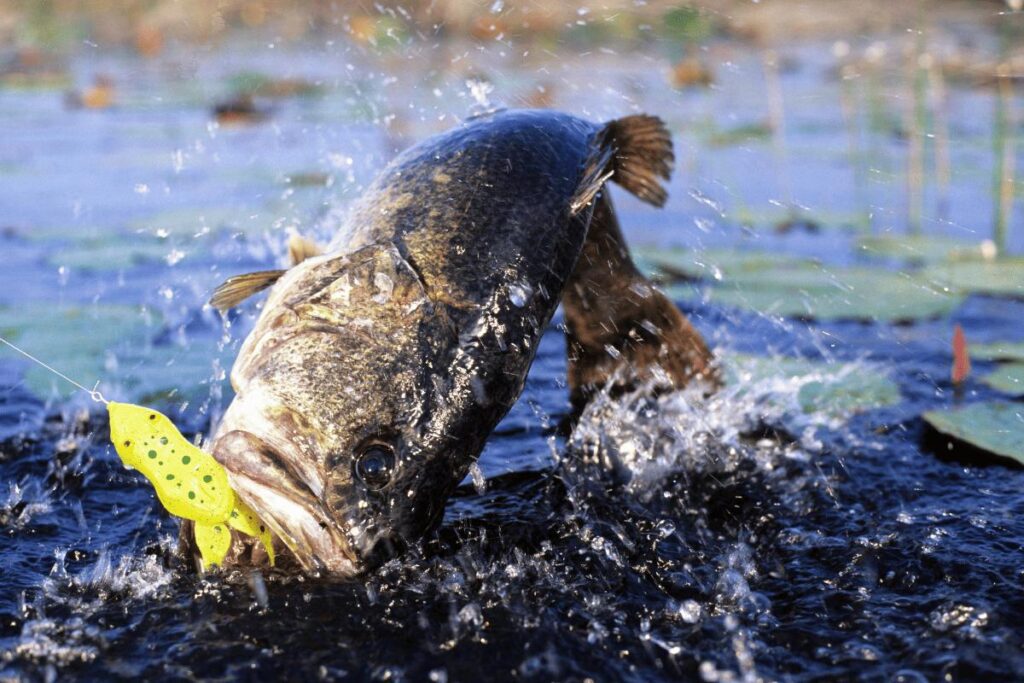
There’s nothing in freshwater fishing that compares to a topwater strike. It’s sudden, violent, and impossible to forget—the kind of moment that keeps anglers coming back long before sunrise. But consistent success on topwater isn’t luck. It’s understanding how, when, and where fish are willing to come up and commit.
According to tournament data and angler insights from Bassmaster, topwater lures can be effective across seasons, but only when presentation and conditions line up. If you want more than random blowups, you have to fish with intention.
Timing Isn’t Everything—But It’s Close
The classic advice still holds true: low light equals opportunity. Early morning and late evening create ideal conditions because predators feel less exposed and baitfish are more active near the surface. Calm water amplifies this effect, making it easier for fish to track surface movement.
But topwater isn’t limited to those windows. Overcast days, wind-blown banks, and shaded cover can extend the bite well into midday. According to seasonal patterns cited by Strike King, bass will continue to strike topwater lures as long as surface conditions allow them to ambush prey effectively.
The takeaway is simple: don’t leave topwater in the box just because the sun is up.
Location Is What Brings Fish Up
You can’t force fish to hit topwater—they have to already be in a position to feed upward. That means targeting areas where bass are naturally hunting near the surface.
Focus on:
- Weed edges and lily pads
- Shallow flats near deeper water
- Submerged timber or laydowns
- Points and transition zones
These are natural ambush points. Bass use them to pin baitfish against the surface, which is exactly what your lure is imitating.
Research and field observations from In-Fisherman consistently show that topwater success increases dramatically when anglers focus on structure rather than open water.
The Retrieve Most People Get Wrong
One of the biggest mistakes anglers make is fishing too fast. Topwater lures aren’t about covering water—they’re about triggering a reaction.
Different lures require different retrieves:
- Walking baits need a side-to-side “walk the dog” motion
- Poppers should be twitched with pauses
- Frogs should move slowly across vegetation with subtle action
- Buzzbaits rely on steady movement to create noise and vibration
The key is rhythm. According to guidance from Berkley Fishing, pauses are often what trigger strikes. That hesitation gives fish a chance to commit.
If you’re constantly moving the lure, you’re often pulling it away before the fish decides to strike.
Why Fish Miss—and What to Do About It
Topwater strikes aren’t always clean. Fish miss. They swipe, boil, and sometimes completely whiff.
The worst thing you can do is jerk immediately.
According to Bassmaster, many missed strikes happen because anglers react too quickly. The correct move is to pause—give the fish a second to come back.
Then set the hook when you feel weight, not when you see the explosion.
It’s counterintuitive, but it’s one of the biggest differences between anglers who get blowups and those who land fish.
Conditions That Make or Break the Bite
Topwater success depends heavily on conditions. Water temperature, wind, and clarity all play a role.
- Warmer water (above 60°F) increases activity
- Slight ripple on the water can help hide your presentation
- Clear water often requires more natural retrieves
- Stained water allows for louder, more aggressive lures
According to Texas Parks and Wildlife Department, bass feeding behavior changes with environmental conditions, and anglers who adjust accordingly see more consistent results.
Gear Matters More Than You Think
Topwater fishing isn’t just about the lure—it’s about control.
A medium-heavy rod with a fast tip gives you the ability to work the bait and set the hook effectively. Line choice is just as important. Most experienced anglers prefer braided line for topwater because it floats and provides immediate hook-setting power.
Monofilament is another option, especially for treble-hook baits, because it offers slight stretch and buoyancy.
What you don’t want is fluorocarbon—it sinks, which can pull your lure down and ruin the presentation.
The Mental Side of Topwater
More than anything, topwater fishing is about patience and confidence. You’re asking a fish to break the surface, expose itself, and commit fully. That doesn’t happen unless everything feels right to the fish.
Anglers who stick with it—who trust the conditions, slow down their retrieve, and fish high-percentage areas—are the ones who consistently get results.
The Bottom Line
Topwater fishing isn’t magic, and it’s not random. It’s a combination of timing, location, presentation, and restraint.
When it all comes together, you don’t just catch fish—you experience something that keeps you coming back.
Because once you’ve watched a bass explode through the surface and crush a lure in open water, every cast after that carries the same possibility.
And that’s what makes topwater different.