
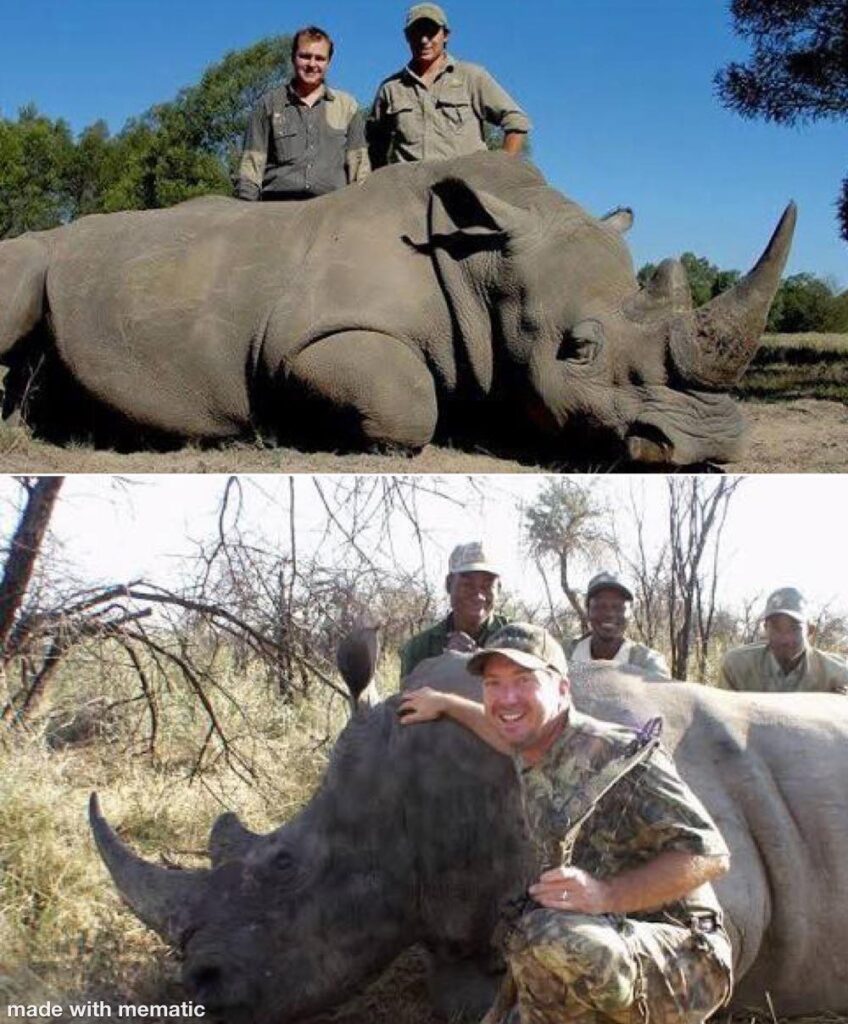
The $350,000 Black Rhino Hunt That Sparked Outrage—And the Part Most People Ignore
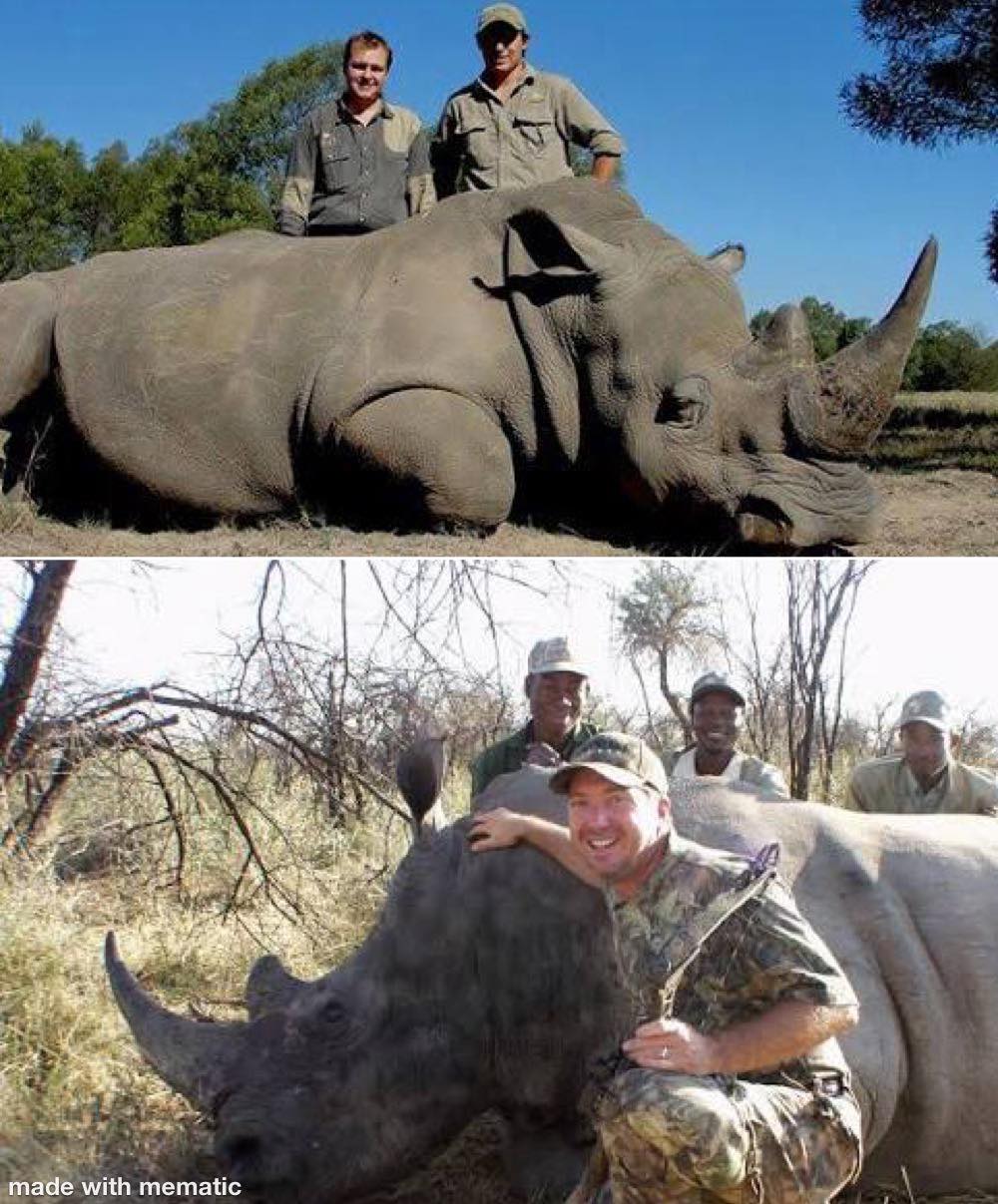
Few hunting stories in recent memory sparked more outrage than when a Texas hunter paid $350,000 to hunt a critically endangered black rhino in Namibia.
The headlines exploded.
Social media erupted.
And for many people, the story sounded simple:
A wealthy American flew to Africa and killed one of the rarest animals on earth.
But according to wildlife officials, conservation experts, and even the U.S. government, that version of the story leaves out one major detail:
The hunt was approved because it was intended to help save black rhinos—not hurt them.
The Hunter at the Center of the Controversy
The hunter was Corey Knowlton, who won the permit during a fundraising auction held by the Dallas Safari Club.
The auction immediately became international news because the animal involved was a black rhino, one of Africa’s most threatened species.
Critics called the hunt unethical and demanded it be stopped.
But according to Namibia’s wildlife officials, the permit was never intended for just any rhino.
Why Namibia Allowed the Hunt
According to Namibia’s Ministry of Environment and conservation authorities, the permit was specifically issued for an older male black rhino considered past breeding age.
Officials stated the bull had become territorial and aggressive toward younger breeding males.
In some cases, older dominant bulls can interfere with breeding success or injure younger males that are important to population growth.
According to the Convention on International Trade in Endangered Species and Namibia wildlife officials, selective removal of specific non-breeding animals can sometimes benefit long-term herd health and conservation outcomes.
This was not a random animal pulled from a healthy breeding population.
It was a carefully selected animal wildlife managers believed could be removed without harming recovery efforts.
Where the $350,000 Went
This is the part many critics rarely mention.
According to Namibia conservation officials and the Dallas Safari Club, the $350,000 permit fee went directly toward:
- Rhino conservation programs
- Habitat protection
- Anti-poaching operations
- Wildlife management funding
Poaching remains one of the biggest threats to rhinos across Africa.
According to the World Wildlife Fund, black rhinos have faced severe population declines over decades because of illegal poaching tied largely to horn trafficking.
Protecting rhinos is expensive.
And Namibia has long argued that tightly controlled conservation hunting helps generate money needed to fund protection efforts.
Even the U.S. Government Approved It
Perhaps the most overlooked detail is this:
The hunt still required approval from the U.S. government before the animal could legally be imported.
According to the U.S. Fish and Wildlife Service, an import permit was ultimately approved under the Endangered Species Act after officials determined the hunt enhanced the survival of the species.
That finding matters.
The U.S. Fish and Wildlife Service concluded that the conservation benefit—including funding and herd management—supported broader rhino recovery efforts.
That doesn’t mean everyone agreed.
But it does mean wildlife officials believed the hunt served a conservation purpose.
Why the Debate Gets So Emotional
Rhinos trigger strong reactions.
They’re iconic animals.
Large. Rare. Threatened.
And for many people, seeing photos of a hunter beside one feels emotionally impossible to justify.
That emotional reaction is understandable.
But wildlife management often involves difficult realities that don’t fit neatly into social media outrage.
According to conservation organizations and African wildlife managers, population recovery sometimes includes:
- Controlled hunting quotas
- Removal of problem animals
- Habitat management
- Revenue generation through conservation hunting
That system remains controversial—but it also helped several African species rebound in countries using tightly regulated conservation programs.
The Bigger Argument
Supporters of regulated hunting argue something uncomfortable but important:
Sometimes hunting money protects wildlife better than emotion does.
Many anti-hunting activists oppose trophy hunting entirely.
Hunters and conservation groups counter that hunting revenue often funds:
- Rangers
- Habitat preservation
- Anti-poaching patrols
- Community conservation incentives
According to the Dallas Safari Club and Namibia conservation officials, removing one older non-breeding rhino to help protect the broader population was viewed as a net conservation gain.
Critics disagree—and likely always will.
The Bottom Line
The story of Corey Knowlton’s black rhino hunt became one of the most controversial hunting stories in recent memory.
But according to Namibia officials, the Dallas Safari Club, the U.S. Fish and Wildlife Service, and international conservation frameworks, the hunt was approved because wildlife managers believed it would benefit conservation—not undermine it.
That’s the uncomfortable reality many people struggle with:
Sometimes the animal making people emotional online is being protected by the very conservation system they oppose.
And in modern wildlife management, things are often far more complicated than the headlines make them seem.