
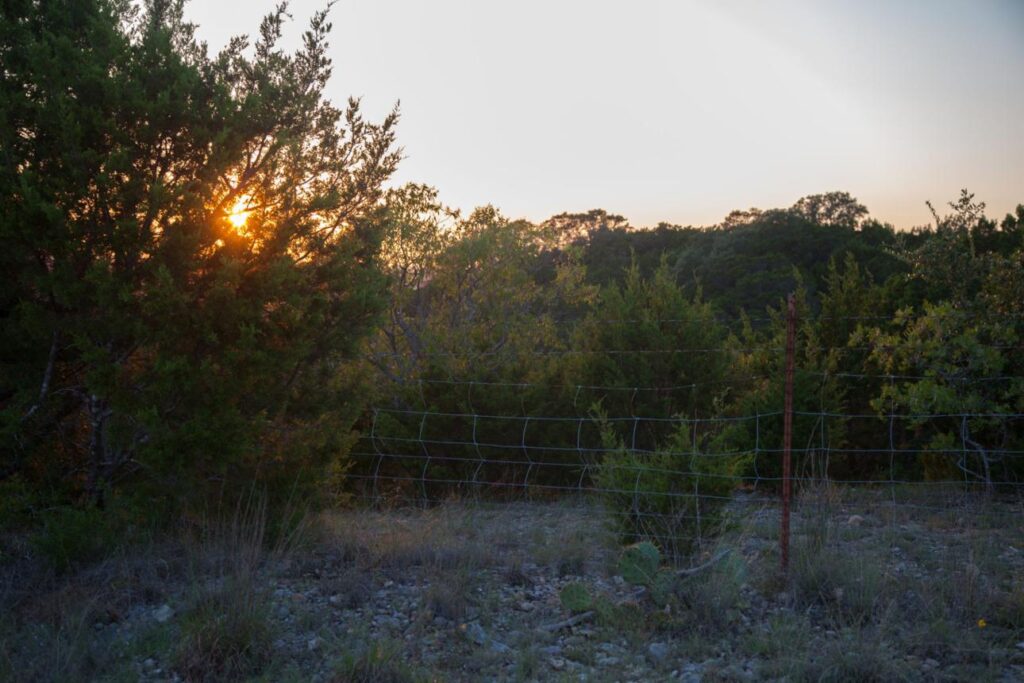
The Property Line Was Wrong for Years—Now New Owners Want Miles of Fence Moved and Old Owners Are Furious They Have to Pay.

What started as a routine land purchase in rural Texas has turned into a full-blown neighborhood feud after a new survey allegedly revealed something nobody saw coming:
The property line may have been wrong for decades.
Now, new landowners are reportedly demanding that miles of fencing be moved, and longtime neighbors are furious—not only over the disruption, but over who they believe will end up paying for it.
“That Fence Has Been There Forever”
In many rural communities, fences are treated almost like unofficial property lines.
People grow up seeing them. Ranchers maintain them. Neighbors often assume the line running through pasture has been settled for generations.
But according to land attorneys and surveyors, assumptions about fences can become expensive mistakes.
In this dispute, the issue reportedly surfaced after a new buyer purchased acreage and commissioned an updated survey.
The results allegedly showed portions of a longstanding fence line sitting well off the deeded boundary.
And not by a few feet.
Neighbors claim some stretches involve significant acreage and multiple fence sections that have existed for years.
New Owners Say the Survey Matters
From the perspective of the new owners, the argument is simple:
The legal boundary is the legal boundary.
According to the Texas General Land Office, deed descriptions and licensed surveys—not fence locations—typically determine legal property ownership.
If land is legally part of a tract, many owners believe they have every right to reclaim access, move fencing, and establish boundaries correctly.
Supporters of the new owners argue that if someone bought land, they should receive exactly what appears on the deed.
Especially when land values continue climbing.
Longtime Neighbors Are Furious
The neighboring landowners see things differently.
Many argue:
- The fence has been accepted for decades
- Previous owners never disputed it
- Everyone treated it as the actual line
Now, some reportedly face the possibility of:
- Paying for expensive fence relocation
- Losing grazing ground
- Reworking livestock operations
- Dealing with legal fees
And emotions are running high.
For ranchers, fences are not just wire and posts.
They control:
- Livestock movement
- Water access
- Hunting boundaries
- Property management
Moving miles of fencing is expensive—and often deeply personal.
Fence Lines and Property Lines Are Not Always the Same
This is where things get complicated.
According to Texas land law experts, fences do not automatically establish legal ownership just because they have existed for a long time.
However, disputes sometimes involve legal concepts such as:
- Boundary by agreement
- Boundary by acquiescence
- Adverse possession
According to the Texas A&M AgriLife Extension Service, long-standing property use and accepted boundaries can occasionally create legal complications, especially if landowners treated an area as theirs over many years.
But proving that in court can become difficult—and expensive.
Rural Communities Often Split Over Cases Like This
Situations like this tend to divide small communities quickly.
Some neighbors argue:
“You can’t blame someone for wanting what they legally bought.”
Others counter:
“If nobody complained for 40 years, why stir things up now?”
And that debate rarely stays calm once lawyers and survey stakes show up.
Because once fences start moving, people start counting acreage, grazing rights, hunting spots, and long-held assumptions.
Hunting Rights Add Fuel to the Fire
In many rural areas, hunting makes property disputes even worse.
A fence adjustment could suddenly change:
- Deer stand locations
- Blind access
- Feeders
- Game trails
Landowners who once hunted familiar areas may suddenly find themselves told they are standing on someone else’s property.
That reality alone has sparked plenty of neighbor disputes across Texas.
The Cost Nobody Wants to Talk About
Fence work isn’t cheap.
According to agricultural fencing estimates from Texas ranching resources, replacing miles of barbed-wire fence can cost thousands—or tens of thousands—of dollars depending on terrain and materials.
That’s part of why neighbors are reportedly so upset.
Many feel they’re now being forced into paying for a problem they didn’t create.
The Bottom Line
A property line believed to be settled for years is suddenly being questioned—and now new landowners reportedly want miles of fencing moved to match a modern survey.
According to the Texas General Land Office and Texas A&M AgriLife Extension Service, legal property boundaries are typically determined through deeds and surveys, not simply where a fence happens to sit.
But when generations of neighbors have lived by one understanding, changing it is rarely simple.
Because in rural America, few things spark tension faster than land, fences, and the words:
“That’s actually my property.”