
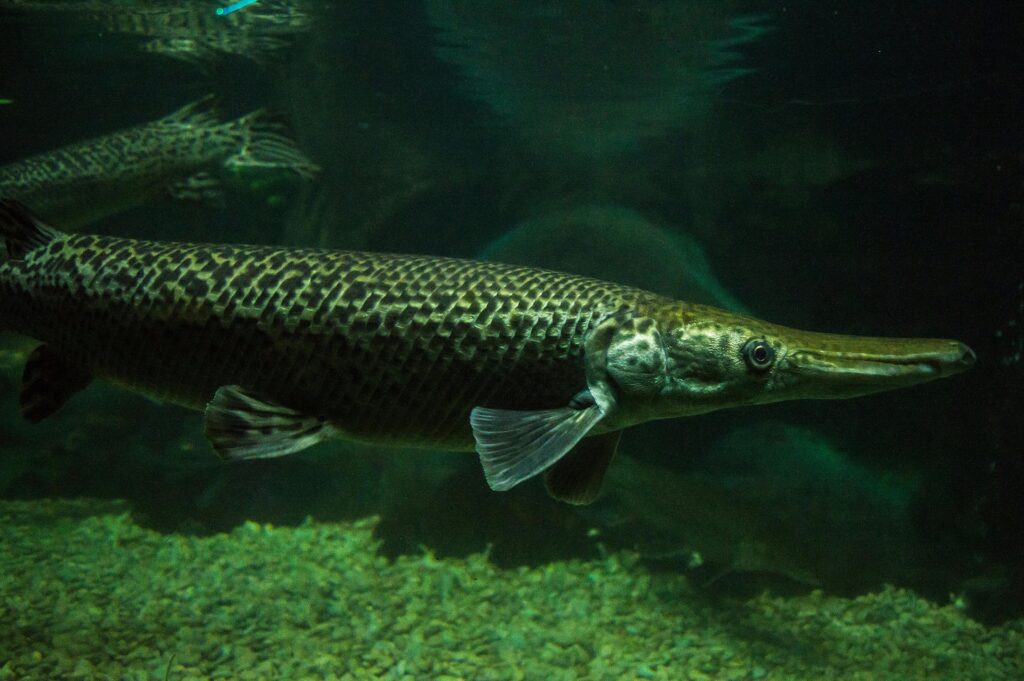
Top 3 Most Dangerous Fish in Texas Freshwater
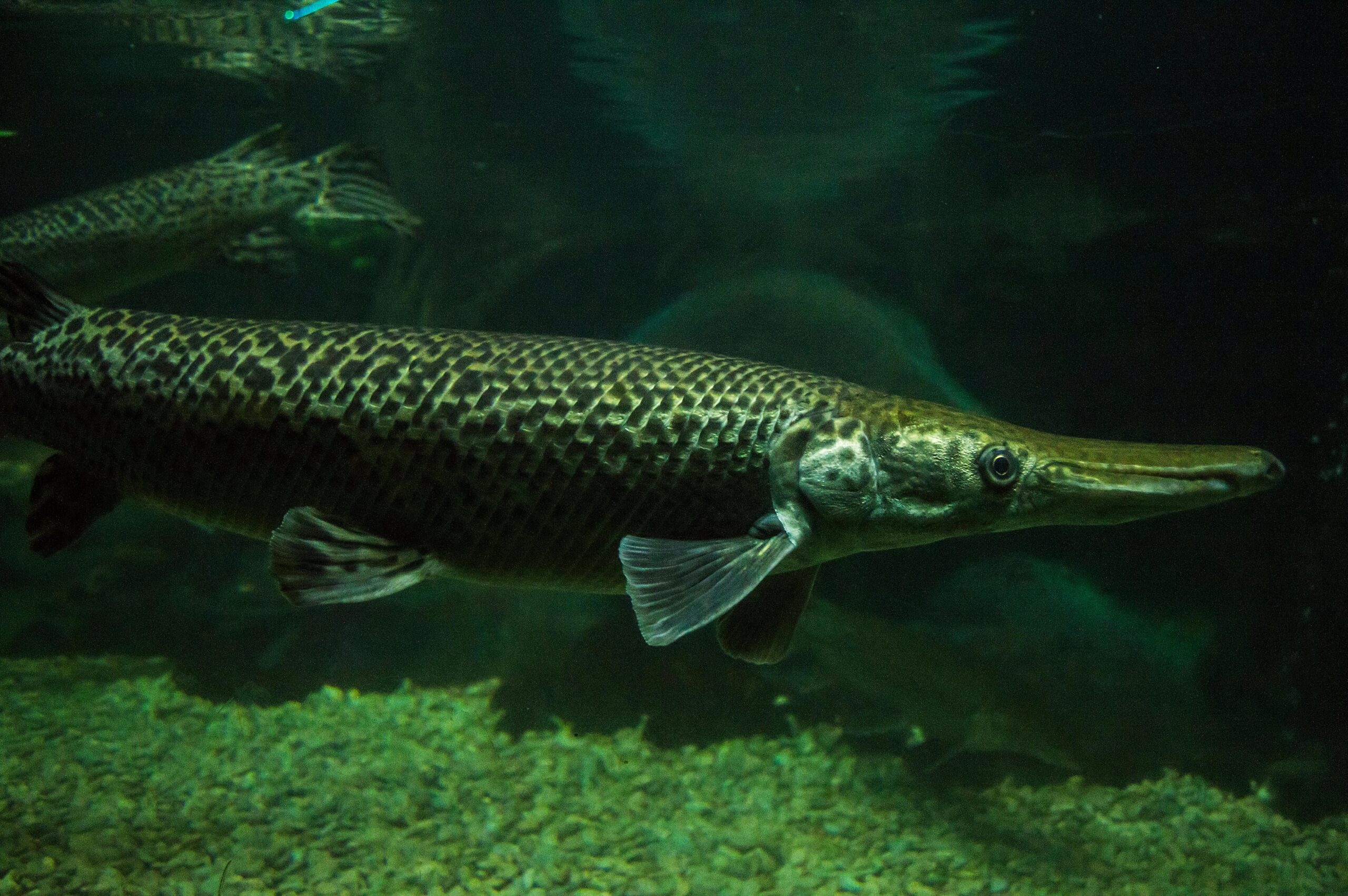
You might fish or kayak Texas waterways without thinking much about who else shares them, but some freshwater species can inflict serious injury or cause dangerous encounters. The top three hazards you should watch for in Texas freshwater are the alligator gar, the flathead catfish, and freshwater stingrays — each poses distinct threats from powerful bites and heavy bodies to venomous barbs.
This article breaks down how those three species behave, where you’re most likely to encounter them, and what to do if you cross paths. You’ll get practical safety tips, legal and conservation context, and clear signs to spot before you get too close.
Overview of Dangerous Freshwater Fish in Texas
You need to know which fish pose the greatest physical risk and what conditions make encounters most likely. The following points explain common risk factors, the specific habitats where threats concentrate, and how seasonal behavior shifts your chance of encountering a dangerous fish.
Common Risk Factors
Physical characteristics drive most risks: large size, powerful jaws or teeth, and armored or spiny bodies. Species like alligator gar and certain catfish reach weights and lengths that can cause severe injury if provoked or mishandled. Sharp teeth, strong bites, and heavy, thrashing bodies increase the chance of lacerations, broken bones, or drowning if a person is pulled underwater.
Human behavior also raises risk. Wading barefoot, handling large fish without gloves, retrieving snagged lures, and fishing from unstable banks or small boats increase your exposure. Poor visibility, alcohol use, and lack of flotation devices further escalate danger. Proper gear, handling techniques, and situational awareness reduce most of these risks.
Habitats Where Threats Are Highest
Dangerous freshwater fish often concentrate in slow-moving rivers, backwaters, oxbow lakes, and reservoirs with submerged structure. Look for deep channels near boat ramps, fallen timber, docks, and steep drop-offs; large predatory fish and big catfish use these features to ambush prey. Shallow, vegetated flats can also hide large fish that feed on smaller species.
Urban reservoirs and impounded sections of river systems frequently host high densities of non-native and large native fish due to abundant forage and altered flows. You face greater risk when fishing at dawn, dusk, or at night in these locations because reduced visibility and higher fish activity coincide with increased human presence.
Seasonal Behavior Patterns
Spring breeding drives many species into shallow water, increasing the chance of human-fish interaction. Alligator gar and some catfish move to flooded shorelines and shallow bays to spawn; you’re more likely to encounter them while bank-fishing or during shoreline recreation. Anglers often see aggressive feeding behavior in spring and early summer as fish capitalize on spawning forage.
Summer heat pushes large fish to deeper, cooler water during daytime, concentrating them in deep holes and near submerged structures. Early morning and evening remain peak feeding times throughout summer. Fall sees feeding spikes as fish bulk up before winter; cold weather in winter slows metabolism, reducing movement and human encounter frequency.
Species Spotlight: Alligator Gar
You will learn how to recognize alligator gar by appearance and dentition, what real risk they pose to people and boats, and how they influence Texas freshwater ecosystems and fisheries.
Physical Traits and Identification
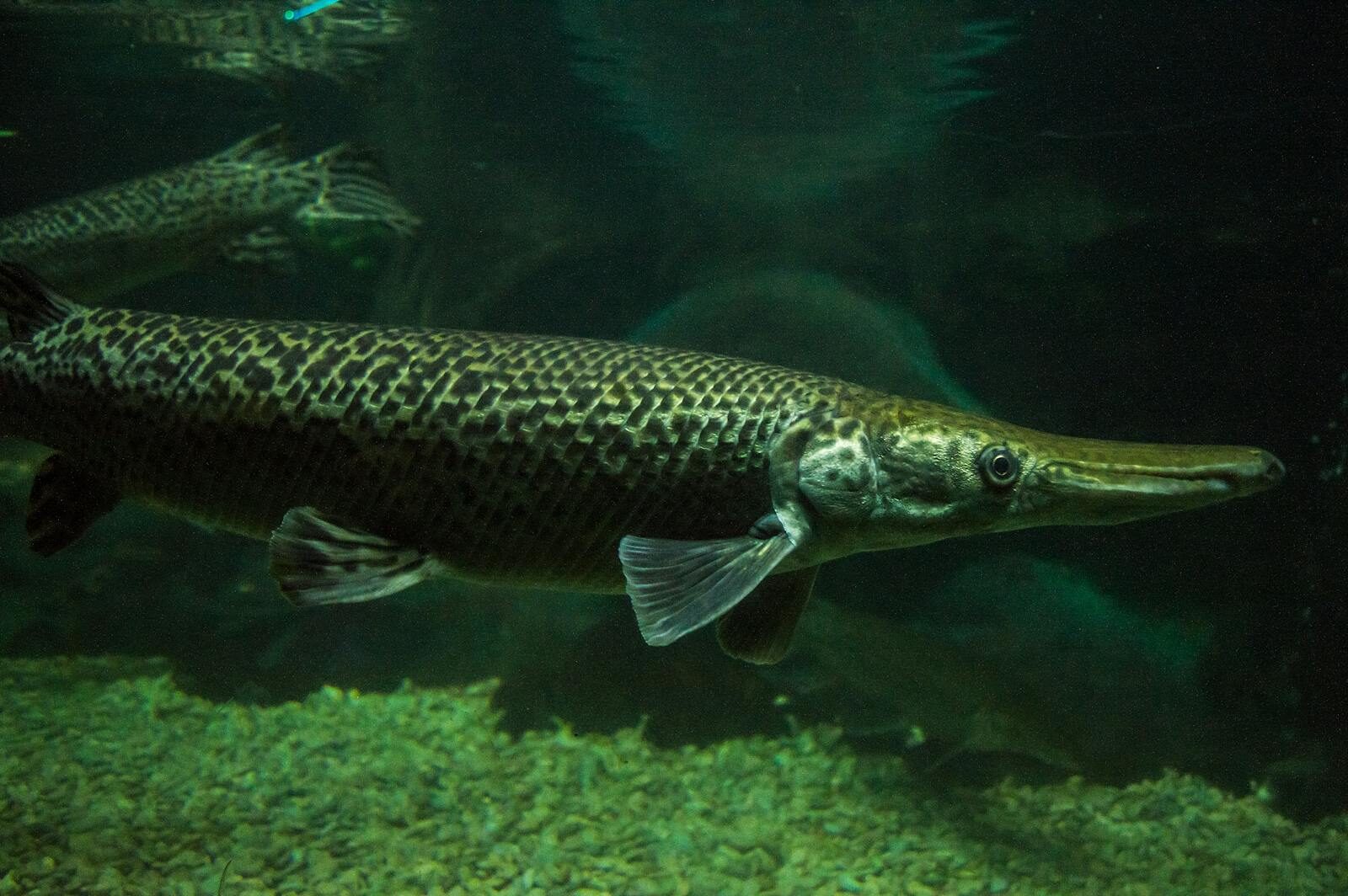
Alligator gar (Atractosteus spatula) are unmistakable for their size and snout. Mature individuals often exceed 6 feet, with records over 10 feet, and can weigh well over 100 pounds; body shape is long, torpedo-like, covered in thick, diamond-shaped ganoid scales that resist puncture.
The snout is broad and flattened; the upper jaw shows a distinctive double row of large, sharp teeth—unique among Texas gar. Coloration ranges from olive-brown on the back to lighter sides and a pale belly. You can differentiate them from longnose or spotted gar by snout width and the tooth pattern.
Juveniles have more pronounced spot patterns that fade with age. You should note the robust head, heavy scales, and paired rows of teeth when identifying an adult in rivers, reservoirs, or backwater sloughs.
Aggression and Attack Incidents
Alligator gar are ambush predators, feeding on fish, turtles, and small mammals. They usually avoid humans and do not pursue people as prey. Most encounters involve hooked fish thrashing at the surface; these are the incidents that can cause bites or lacerations to anglers or bystanders.
Documented human attacks are extremely rare and typically involve close handling or improperly secured gear. You should treat the jaws and tail with caution when landing or removing hooks—use heavy gloves, long-nose pliers, and a secure cradle or lip-grip designed for large fish. Boat-strike risks occur when large gar leap or thrash near motors or stern areas, so maintain safe distance during fight and landing.
Ecological Impacts
Alligator gar occupy top-predator roles in many Texas freshwater systems. They help regulate fish populations by preying on abundant species, which can reduce competition and influence community structure. Their presence often indicates long-term habitat stability because they grow slowly and live for decades.
You should recognize both positive and management concerns. As sport fish, they attract anglers and support local recreation. However, large gar can compete with commercially or recreationally valuable species in altered or confined waters. Management in Texas includes size limits and reporting to balance conservation with recreational harvest and to track population trends.
Species Spotlight: Flathead Catfish
Flathead catfish grow very large and prefer complex, wood‑filled habitats. They are ambush predators that feed mostly on live fish and can be mistaken for harmless bottom feeders until you understand their size and behavior.
Typical Size and Appearance
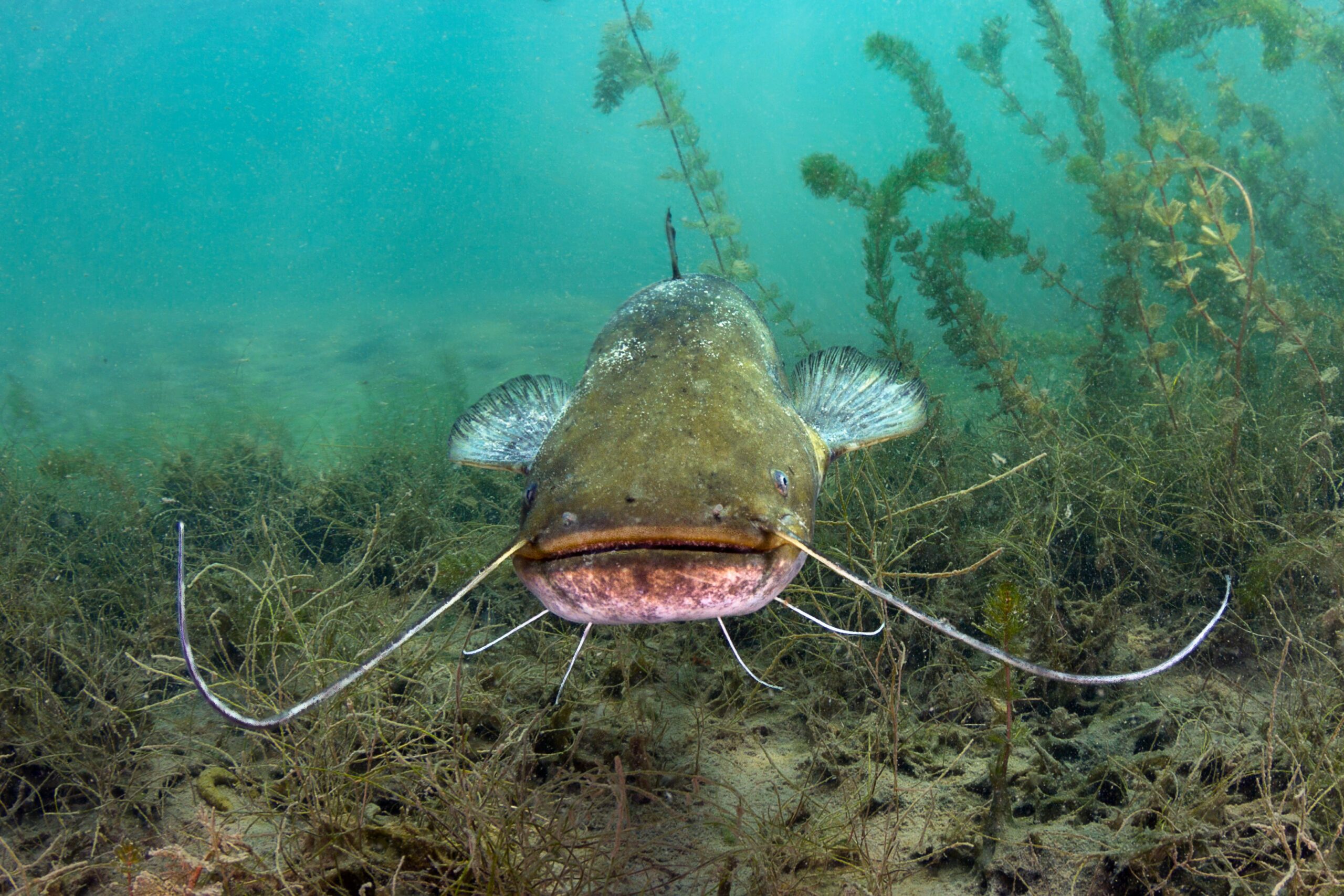
Adult flatheads commonly range from 10 to 40 pounds in Texas rivers and reservoirs, while trophy fish can exceed 50 pounds; anglers and trotliners have recorded fish over 100 pounds in rare cases. You will recognize one by its broad, flattened head, wide mouth with a single pair of jaw barbels, and a mottled brown to olive body that blends into woody cover.
- Distinctive features:
- Flattened head and large mouth
- Smooth, scaleless skin with irregular blotches
- Long dorsal fin with a short base; deeply forked tail on juveniles, straighter in adults
You should inspect fish carefully before handling; their sheer mass and strong musculature make large flatheads heavy and potentially dangerous if they thrash on deck or shore.
Feeding Habits and Mistaken Encounters
Flatheads are primarily piscivores. They hunt by ambushing schooling and solitary fishes—sunfish, shad, carp, and even smaller catfish—often at night or in low light, using wood, undercuts, and deep pockets as concealment.
You might misinterpret their behavior as passive bottom feeding. In contrast, flatheads actively stalk and strike live prey, sometimes ripping flesh with powerful bites. That feeding style can produce serious lacerations if you put fingers near the mouth during unhooking or netting.
- Safety tips for anglers:
- Use long‑handled pliers and dehookers
- Keep hands clear of the mouth when removing hooks
- Secure large fish on a wet surface to reduce thrashing
Respect their strength and feeding aggression, especially when you fish at night or around heavy cover where they wait for prey.
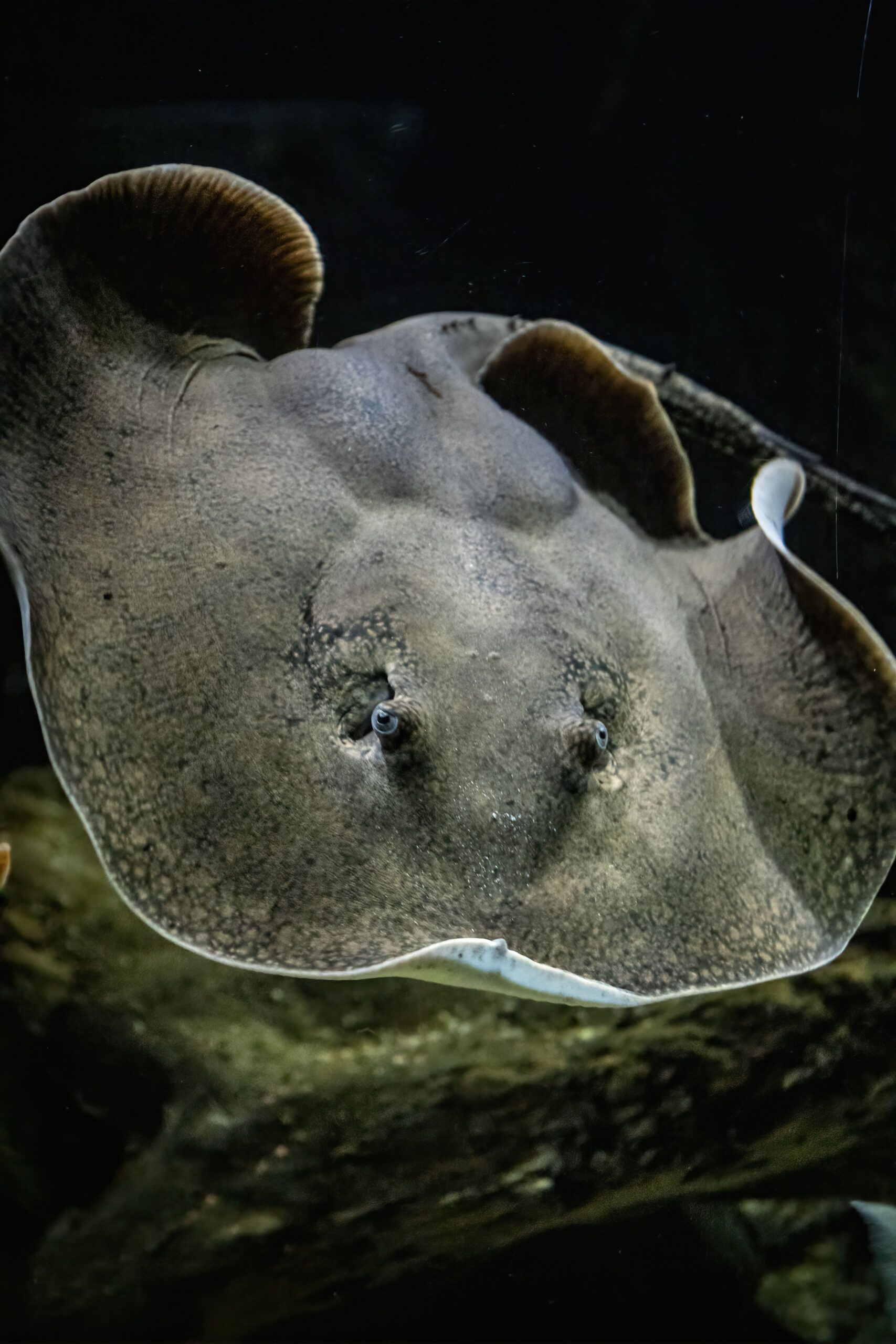
Species Spotlight: Freshwater Stingray
Freshwater stingrays in Texas are uncommon but present in certain rivers, lakes, and reservoirs. You should know where they live and how their venomous tail spines can injure people to reduce your risk.
Distribution and Habitats
Freshwater stingrays have been reported in parts of Texas, often in warm, slow-moving waters and reservoirs that connect to Gulf drainages. You’re most likely to encounter them in sandy or muddy bottom areas, shallow flats, and near submerged structures where they bury themselves to ambush prey.
They prefer turbid water with abundant small fish, crustaceans, and worms. Sightings are more frequent in the lower reaches of river systems and coastal plain lakes, especially where water temperatures remain high through summer. If you fish, wade, or swim in those habitats, watch for rays partially buried in sediment and avoid stepping in murky shallows.
Envenomation and Injury Risks
Freshwater stingrays have one or more serrated spines on the tail that deliver venom when they puncture skin. Most injuries occur when someone accidentally steps on a hidden ray; the wound is typically a deep puncture with intense, immediate pain, swelling, and possible bleeding.
You can get secondary infections from environmental bacteria introduced by the spine. First aid includes immersing the wound in hot (not scalding) water to reduce pain, cleaning the wound thoroughly, and seeking medical care for debridement, tetanus update, antibiotics, and possible imaging if the spine might be retained. Take extra care if you have allergies, a weakened immune system, or a puncture near joints or the abdomen.
Health and Safety Considerations
Understand immediate actions for cuts, punctures, or envenomations and where to find local advisories, clinics, and emergency contacts. Prioritize bleeding control, wound cleaning, tetanus status, and prompt medical evaluation for deep wounds or signs of infection.
Wound Care and First Aid
If you sustain a cut or puncture from a fish spine or bite, stop the bleeding first. Apply direct pressure with a clean cloth for several minutes; if bleeding is severe or won’t stop, seek emergency care.
Clean the wound thoroughly with fresh water and mild soap. Remove visible debris; do not probe deeply or try to extract broken spines yourself if they are lodged near joints, tendons, or bone. Cover with a sterile dressing and change it daily.
Watch for signs of infection: increasing pain, redness spreading from the wound, swelling, warmth, pus, fever, or red streaks toward the heart. If any occur, get medical evaluation and likely antibiotics.
Check your tetanus vaccination status; receive a booster if it’s been more than 5 years for a contaminated puncture wound. For probable envenomation (intense pain, swelling, numbness), immerse the area in hot water (as tolerated) for 30–90 minutes and get urgent medical care.
Local Medical Response Resources
Know the nearest emergency department, urgent care, or physician with experience treating aquatic injuries before you fish. Save these numbers in your phone and keep a paper copy in your tackle box or boat glove compartment.
Use the Texas Fish Consumption Advisory Viewer and local Texas Parks and Wildlife notices for water-specific hazards and contamination alerts that may affect wound risk or infection patterns. Consult county health department pages for clinics offering wound care and post-exposure antibiotics.
If you’re in a remote area, carry a basic first-aid kit with sterile dressings, antiseptic wipes, antibiotic ointment, splinting materials, and a phone or emergency beacon. Call 9-1-1 for uncontrolled bleeding, signs of sepsis (rapid heart rate, high fever, confusion), loss of limb function, or respiratory distress after a bite or envenomation.
Legal and Conservation Perspectives
You need to know what laws affect how you fish, transport, or remove species, and which native fishes receive legal protection in Texas. This section explains specific regulations you must follow and the conservation status that influences management actions.
Fishing Regulations
Texas Parks and Wildlife Department (TPWD) sets size, bag, and season limits you must follow for sport and commercial fishing. Some waters have special rules for tournaments; for example, you may be required to drain livewells before leaving an official weigh-in to prevent moving live nongame fish.
Transporting live nongame species is restricted in areas where invasive carp have been detected; moving live fish from those waterbodies can be illegal. You must also comply with restrictions on stocking: unauthorized release of nonnative fish or aquatic plants into public waters can result in fines.
When fishing for state-listed species, additional handling rules may apply. Always check TPWD advisories, posted lake rules, and local ordinances before you fish, and carry required licenses to avoid penalties.
Conservation Status of Threatened Species
Texas lists certain freshwater fishes as State Threatened or Endangered, and these designations trigger protective measures you must respect. Projects that alter streambeds or water flow often require TPWD consultation to minimize impacts on listed species.
Nearly half of Texas’ native freshwater fishes are considered imperiled; this elevates the importance of habitat protection and limits on activities that degrade water quality. If you work, volunteer, or recreate in aquatic systems, follow best practices: avoid habitat disturbance, limit shoreline erosion, and do not release captive fish.
Scientific collections, stocking, and commercial fishing of protected species typically need permits. These permit decisions focus on population monitoring, recovery actions, and minimizing harm to species at risk.
Tips for Avoiding Dangerous Encounters
Know the common risky species in the area before you go. Check local fish advisories, park notices, or state wildlife pages so you can recognize hazards like alligator gar or snapping turtles and where they are most likely found.
Wear appropriate footwear and protective gloves when wading or handling fish. Thick-soled boots reduce puncture risk; gloves protect your hands from sharp teeth, spines, and hooks.
Keep a safe distance from large or defensive fish. Do not reach into murky water, holes, or under submerged logs where animals hide. If a fish lunges or thrashes, step back and reassess.
Use proper handling and unhooking tools. Long-nose pliers, dehookers, and nets let you control the fish without putting your fingers near jaws or spines. Hold fish firmly but gently to avoid injury to you and the animal.
Practice safe boating and swimming habits. Avoid swimming at dusk or dawn, stay in designated areas, and keep pets on a leash near shorelines. Maintain awareness of your surroundings and avoid isolated, overgrown banks.
Prepare for emergencies and minor injuries. Pack a basic first-aid kit with antiseptic, bandages, and tweezers. Know the location of the nearest medical facility and, for serious bites or deep wounds, seek professional care promptly.
Follow local regulations and common-sense etiquette. Respect size and catch limits, release non-target species carefully, and report dangerous wildlife sightings to park rangers or authorities.