
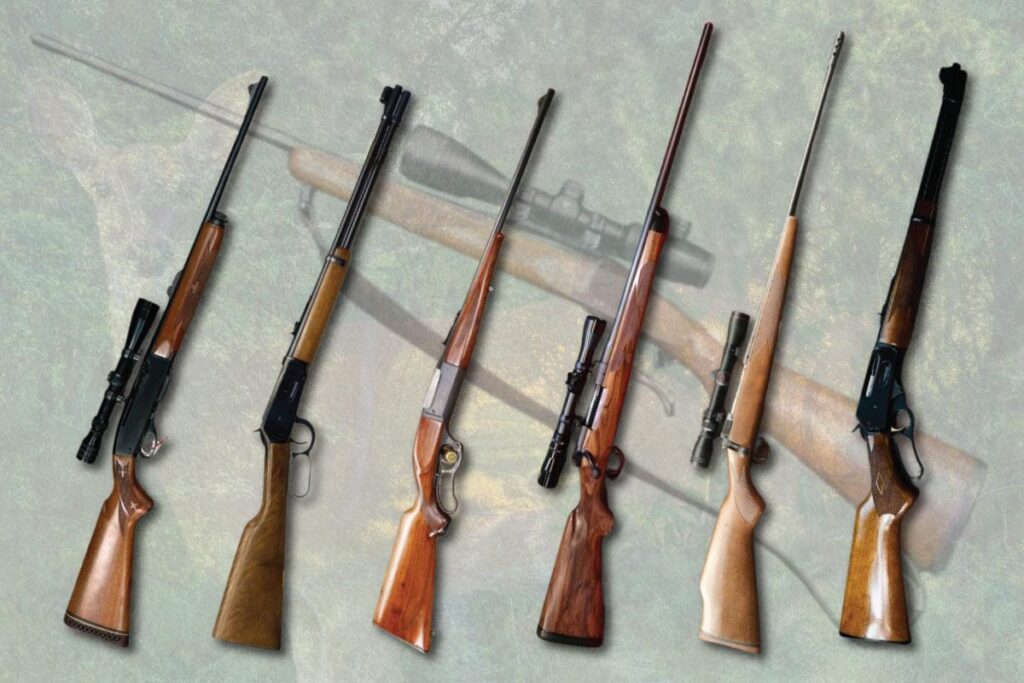
Why Grandpa’s Old Deer Rifle Still Outshoots New Expensive Guns
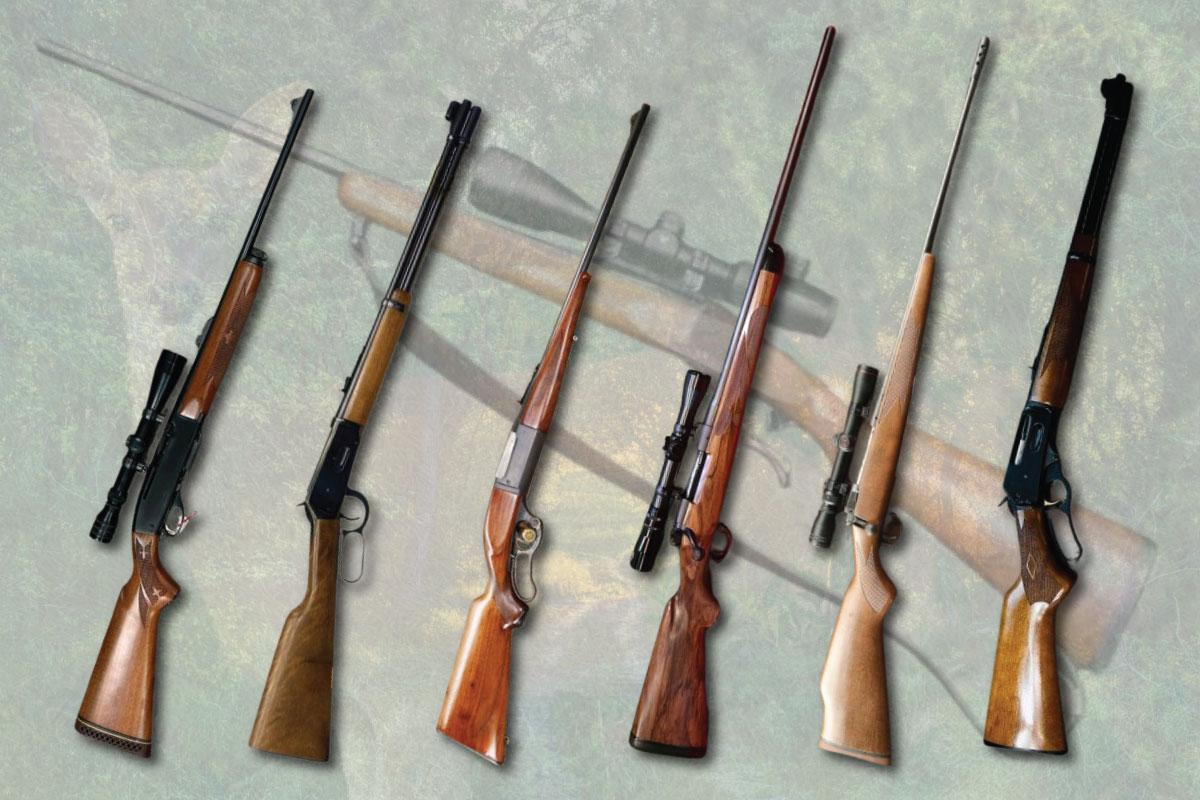
Every deer camp seems to have one.
The guy with the ultra-modern rifle setup that looks like it belongs on a military sniper range. Carbon fiber stock. Precision turret scope. Lightweight custom barrel. Ammunition engineered to flatten trajectories at distances most hunters will never attempt. The rifle costs several thousand dollars, and judging by the way it gets talked about around camp, you would think it practically harvests deer on its own.
Then there is Grandpa.
He steps out carrying a rifle that looks like it has lived a full life already. The bluing is worn thin. The stock bears scratches from cedar trees, barbed wire fences, and decades of hunting seasons. It may be chambered in something familiar like a .270 Winchester or .30-06 Springfield, and there is a good chance it has been sighted in with the same load for years.
By the end of the weekend, though, Grandpa is often the one dragging a mature buck back to camp.
That reality tends to frustrate people because modern rifles truly are remarkable. According to the National Shooting Sports Foundation, advancements in rifle manufacturing and optics have dramatically improved factory accuracy over the last several decades. Hunters today can buy rifles capable of incredibly tight groups straight from the box, something previous generations would have considered exceptional.
Yet better technology does not always translate to better hunting.
Familiarity Matters More Than Most Hunters Admit
The biggest advantage Grandpa carries into the woods has very little to do with the rifle itself.
It comes down to familiarity.
That old deer rifle has likely been through everything with him. Rainstorms, cold fronts, missed opportunities, and successful seasons have all shaped the relationship between hunter and firearm. He knows exactly how it balances in his hands. He knows how the trigger breaks. He knows what the recoil feels like without thinking about it.
Most importantly, he trusts it.
That kind of confidence matters far more than many hunters realize. According to the National Deer Association, hunter familiarity with a firearm plays a major role in accuracy and ethical shot placement. Under pressure, hunters tend to perform best with equipment they know deeply rather than gear they are still learning.
And hunting almost always involves pressure.
At the rifle range, everything feels controlled. Sandbags steady the rifle. Wind is manageable. Heart rates stay calm. But when a mature buck suddenly steps out at first light, things change quickly. Breathing gets heavier. Hands shake. Adrenaline takes over.
That is when confidence matters.
Grandpa has probably fired hundreds—if not thousands—of rounds through that same rifle over the years. When the moment comes, he does not question whether the rifle will do its job. He already knows.
Hunting Culture Has Become Obsessed With Equipment
Somewhere along the way, hunting culture shifted.
The conversation became increasingly focused on gear rather than skill. Social media, television, and endless marketing campaigns convinced many hunters that success lives inside the newest caliber, lightest rifle, or most advanced optic system.
Every season brings new promises. Flatter trajectories. Longer ethical ranges. Better terminal performance.
None of those things are inherently bad. Better equipment absolutely helps hunters.
But deer hunting has always been far simpler than people sometimes want to admit.
Most whitetails in America are harvested inside 200 yards. According to the National Deer Association, shot placement remains one of the single most important factors in successful deer recovery. At realistic hunting distances, confidence and consistency often matter far more than chasing extreme precision.
Grandpa figured that out years ago.
He is not chasing quarter-inch groups at 500 yards.
He simply knows where that rifle shoots.
The Best Rifle Is Often the One You Know Best
That may be the hardest lesson for newer hunters to accept.
The best hunting rifle is not always the most expensive one.
Sometimes it is simply the rifle you trust.
Classic firearms like the Winchester Model 70, Remington Model 700, Savage 110, and Marlin 336 earned reputations because they proved themselves season after season. According to the National Shooting Sports Foundation, reliability continues to rank among the most important factors hunters prioritize when choosing firearms.
Those rifles survived generations because they worked when conditions turned ugly Mud, Rain, Dust, Cold Mornings, Long hikes.
Deer camps are filled with stories about expensive rifles that malfunctioned or fancy optics that failed. Meanwhile, old bolt guns keep doing exactly what they have done for decades.
They put venison in the freezer.
The Bottom Line
Modern rifles are extraordinary tools, and there is nothing wrong with appreciating good equipment. Hunting technology has improved dramatically, and many hunters benefit from those advancements every season.
Still, according to both the National Deer Association and National Shooting Sports Foundation, the fundamentals of successful hunting have not changed nearly as much as the gear.
Confidence still matters.
Shot placement still matters.
Practice still matters.
So the next time Grandpa leans an old deer rifle against the truck before heading into the woods, pay attention.
There is a decent chance he still outshoots the expensive guns.
Not because old rifles are magical.
But because experience never stopped mattering.