
Burnet County Gravel Quarry Fight Intensifies as Residents Warn of Groundwater Risks

What began as a local zoning and development debate in Burnet County has evolved into a much larger conversation about water, property rights, and the long-term future of the Texas Hill Country.
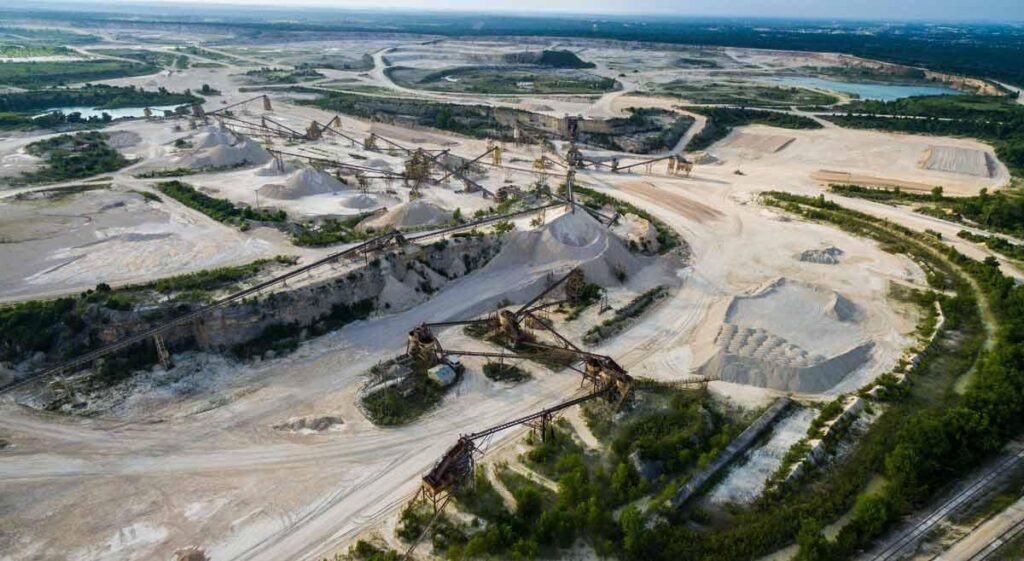
At the center of the growing controversy is a proposed gravel quarry and rock crushing operation near FM 3509 in Burnet County, a project opponents argue could place significant strain on local groundwater resources for decades to come. Residents concerned about the proposal say the issue extends well beyond traffic, dust, or industrial noise. Instead, many believe the real fight centers on protecting the aquifer that supplies water to homes, ranches, livestock, and future generations throughout the region.
The concern has become serious enough that community members recently submitted a formal letter to the Texas Parks and Wildlife Department, urging officials to take a closer look at the project and its potential environmental impact. According to organizers involved in the effort, copies of the letter were also transmitted to State Representative Ellen Troxclair and State Senator Pete Flores as residents continue seeking additional oversight.
Why Residents Say This Fight Is About More Than One Quarry
For many Burnet County residents, the proposed operation represents more than a single industrial project. They argue it serves as a warning sign for how rapidly growing areas of Texas could face difficult groundwater challenges if large-scale pumping expands without comprehensive scientific studies or stronger safeguards.
The proposed quarry, tied to Asphalt Inc., which is owned by Alabama-based Construction Partners Inc., would reportedly require substantial groundwater use for dust suppression, material processing, and day-to-day operations. Opponents argue this type of demand differs significantly from residential use or traditional agricultural activity because industrial operations can require sustained water withdrawals over long periods of time.
Residents fear that once large-scale pumping begins, the consequences may not become obvious until nearby wells begin showing signs of decline.
That concern has prompted many in Burnet County to start looking closely at examples unfolding elsewhere in the country.
California Offers a Warning Many Residents Cannot Ignore
Opponents of the Burnet County quarry frequently point to California’s San Joaquin Valley, where decades of groundwater overuse eventually triggered sweeping government intervention.
According to California water management agencies overseeing the state’s Sustainable Groundwater Management Act (SGMA), farmers in parts of the valley are now operating under significant groundwater restrictions after aquifers were depleted faster than they could naturally recover. Agricultural producers who once relied heavily on groundwater now face pumping limitations that many say have dramatically altered farming operations.
Experts have warned that as much as 20 percent of farmland in portions of the San Joaquin Valley could eventually be taken out of production by 2040, as growers remove orchards and reduce irrigation demands in response to declining groundwater availability.
For Burnet County residents, the lesson feels difficult to ignore.
Many argue that once groundwater depletion reaches a crisis point, there are few easy solutions available. By the time restrictions become necessary, the damage has often already occurred.
Arizona’s Experience Raises Additional Questions
Arizona presents another example opponents believe Burnet County should take seriously.
In several parts of Arizona, groundwater pumping remained largely unregulated for years, allowing extensive withdrawals with relatively limited oversight. According to state water officials, declining water tables eventually pushed Arizona toward stronger conservation measures, emergency restrictions, and the expansion of designated groundwater management areas.
For many Burnet County residents, Arizona illustrates what happens when regulation arrives only after communities begin experiencing serious water shortages.
That concern feels particularly relevant in Texas because of the state’s longstanding Rule of Capture, a legal framework that generally gives landowners broad authority to pump groundwater beneath their property. Critics argue the law can leave rural communities vulnerable when industrial-scale users enter areas without detailed long-term aquifer studies already in place.
Residents opposed to the quarry say companies understand this reality and may benefit from regulatory systems that provide relatively few barriers to groundwater extraction.
Local Officials Have Already Raised Concerns
The groundwater debate has not remained limited to neighborhood meetings or community Facebook pages.
According to residents involved in the effort, the Burnet County Commissioners Court unanimously passed a resolution on January 13, 2026, opposing new industrial groundwater permits until additional scientific studies are completed.
Supporters of the resolution viewed the move as an important bipartisan acknowledgment that water concerns deserve closer attention before major industrial projects move forward.
For many residents, the decision reinforced what they have been saying all along: understanding the long-term impact on wells and groundwater should happen before large-scale pumping begins, not after problems emerge.
Economic Growth Versus Long-Term Water Security
Supporters of quarry development often point to jobs, economic activity, and the increasing need for construction materials as Texas continues experiencing rapid population growth. Gravel and crushed rock remain essential for roads, housing, and infrastructure projects throughout the state.
Yet opponents argue the economic benefits become far less appealing if groundwater supplies eventually suffer permanent damage.
For ranchers, homeowners, and families living near FM 3509, the conversation has become deeply personal. Many residents say they are not simply debating a business proposal; they are debating the future reliability of the same aquifer that supplies their household wells, livestock operations, and property values.
The Bottom Line
The proposed Burnet County quarry has become a flashpoint in a much larger debate about growth, water policy, and how Texas communities protect limited natural resources before problems emerge.
Residents opposing the project argue examples from California, Arizona, and other regions show exactly what happens when groundwater withdrawals expand faster than planning and oversight. According to community organizers, formal concerns are now before the Texas Parks and Wildlife Department as residents await further responses and permitting decisions.
For many in Burnet County, the central question has become increasingly clear:
If groundwater problems eventually arrive, will the county wish it had acted sooner?