
Texas’ Neighborhood Deer Harvest Program: Smart Wildlife Management or a Step Too Far?

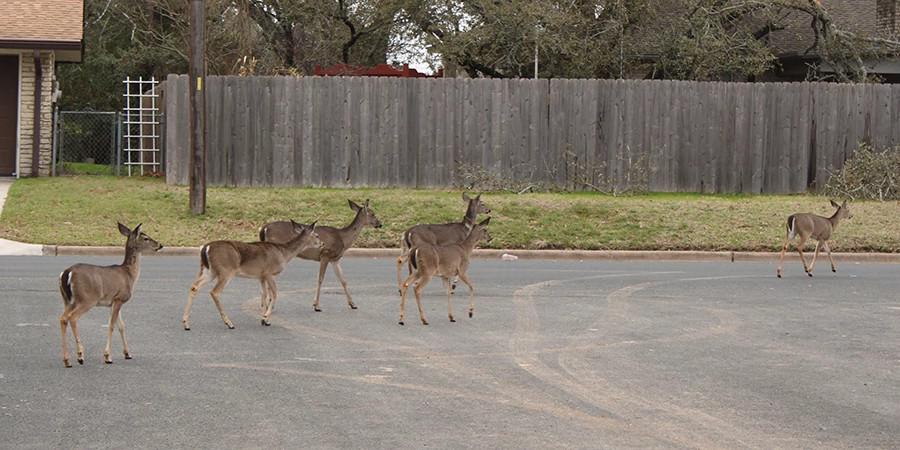
For many Texans, seeing whitetail deer wandering through neighborhoods feels like part of everyday life. Deer stroll across golf courses, rest beneath oak trees in suburban yards, and sometimes stand beside roads as if they own the place. To some residents, they are a welcome reminder that wild Texas still exists. To others, growing deer populations have become a serious problem.
That tension is exactly why the Texas Parks and Wildlife Department’s neighborhood deer harvest programs continue generating strong opinions. Supporters argue the programs help reduce dangerous overpopulation and prevent suffering among deer herds. Critics believe killing deer inside or near residential areas crosses a line and ignores nonlethal alternatives.
As more Texas communities struggle with growing suburban deer populations, the debate surrounding neighborhood deer harvest programs is only becoming louder.
Why Neighborhood Deer Harvest Programs Exist
The Texas Parks and Wildlife Department created options for communities dealing with overabundant deer populations after wildlife biologists increasingly saw problems tied to suburban growth.
According to the Texas Parks and Wildlife Department, deer populations in some neighborhoods grow beyond what the local habitat can naturally support. When this happens, deer often begin competing heavily for food, damaging landscaping, increasing disease concerns, and contributing to more vehicle collisions.
Unlike rural hunting areas, suburban deer often live in places where traditional hunting is difficult or impossible because of homes, roads, and safety concerns.
As a result, some communities partner with wildlife officials and biologists to implement controlled harvest programs. Depending on the location, these programs may involve trained sharpshooters, managed archery hunts, trap-and-transfer efforts, fertility control discussions, or limited culling permits designed to reduce herd size safely. According to Texas Parks and Wildlife guidance on suburban deer management, communities themselves typically decide which methods to pursue while the agency provides permits, biological recommendations, and oversight.
The goal, according to wildlife officials, is not elimination.
It is balance.
The Case for Neighborhood Deer Harvest Programs
Supporters of these programs argue that suburban deer overpopulation creates problems many people do not immediately see.
One of the biggest concerns involves vehicle collisions. According to wildlife officials, neighborhoods with dense deer populations often experience rising numbers of accidents involving deer crossing roads, creating risks for both drivers and animals. In some communities, collisions become so frequent that residents begin demanding solutions.
Habitat damage also becomes a concern.
According to the Texas Parks and Wildlife Department, overabundant deer populations can strip vegetation, damage native ecosystems, and ultimately harm deer health itself. When too many animals compete for limited food, body condition often declines, fawn survival drops, and deer may suffer through nutritional stress.
Supporters also point to animal welfare.
Wildlife biologists frequently argue that controlled harvest can sometimes prevent worse outcomes such as starvation, disease outbreaks, or mass die-offs caused by habitat exhaustion. Many hunters also note that regulated harvest has long been a cornerstone of North American wildlife conservation.
Some communities even donate harvested venison to food assistance programs, helping reduce waste while supporting local families.
To supporters, the programs are not about killing deer.
They are about managing populations responsibly before problems spiral.
The Case Against the Programs
Critics, however, see things very differently.
For many residents, neighborhood deer feel personal. Families watch them from back porches, children name them, and homeowners often grow emotionally attached to seeing the same animals year after year.
That emotional connection makes harvest programs controversial.
Opponents frequently argue that lethal removal happens too quickly without fully exploring alternatives first. Fertility control, relocation, habitat modification, and stricter bans on feeding wildlife are often suggested as less controversial solutions.
Some residents also question whether deer populations truly justify lethal management.
In recent controversies involving suburban deer removals in places like Georgetown and Sun City, critics accused wildlife officials and community leaders of overstating public safety threats while relying on questionable biological assumptions. According to reporting from the Austin American-Statesman, some residents filed lawsuits opposing deer trapping and culling efforts, arguing communities failed to adequately consider alternative options.
Animal welfare concerns also fuel opposition.
Critics sometimes argue trapping and culling operations can create unnecessary stress or suffering for animals, particularly when programs occur near homes where residents witness portions of the process.
For opponents, the issue often feels ethical as much as biological.
The Feeding Problem Few People Want to Discuss
One factor complicates nearly every neighborhood deer debate:
People feeding deer.
According to the Texas Parks and Wildlife Department and the National Deer Association, supplemental feeding in suburban areas often accelerates overpopulation problems by encouraging deer to congregate unnaturally and remain in residential spaces longer than they otherwise would.
Well-meaning residents sometimes unintentionally create larger problems.
Deer lose caution around roads, gather in unhealthy numbers, and increase the likelihood of disease transmission.
In many communities, officials say neighborhood deer issues became far worse after feeding became common.
That reality often leaves communities divided between residents who enjoy attracting deer and neighbors dealing with damaged landscaping or rising safety concerns.
The Bigger Question: What Counts as “Too Many”?
At the heart of the debate sits one uncomfortable question:
How many deer are too many?
For some residents, any deer are worth protecting.
For wildlife biologists, the answer often depends on habitat quality, herd health, vehicle collisions, ecological damage, and long-term sustainability.
According to the Texas Parks and Wildlife Department, no single solution works for every neighborhood. Some communities tolerate large deer populations with minimal conflict, while others eventually reach a point where management becomes difficult to avoid.
That complexity explains why the issue remains so controversial.
The Bottom Line
Texas’ neighborhood deer harvest programs sit at the crossroads of conservation, ethics, public safety, and emotion.
Supporters view them as responsible wildlife management designed to prevent larger problems before they start. Critics worry communities move too quickly toward lethal solutions without fully considering alternatives.
What almost everyone agrees on, however, is that suburban deer populations are growing in many parts of Texas.
And as neighborhoods continue expanding deeper into deer habitat, communities will likely face an increasingly difficult question:
How do you manage wildlife when the wild no longer stays outside the neighborhood?
Guess the deer didn’t get the memo or get fitted with GPS. How ridiculous that we support killing Wildlife to protect development. The neighborhood deer harvest approach encourages trespassing and hunting in off hunting season under the auspices of protecting the species. Twisted logic. Wonder how much Texas Game Wardens are engaged in this process. This is clearly overreach and sets a bad precedent going forward. Leave nature alone. The very fact that hunting season scares up the deer and thereby creates accidents on the road, some fatal, needs to be addressed instead.
When & where can I hunt ‘em?
Happy to thin the herd!