
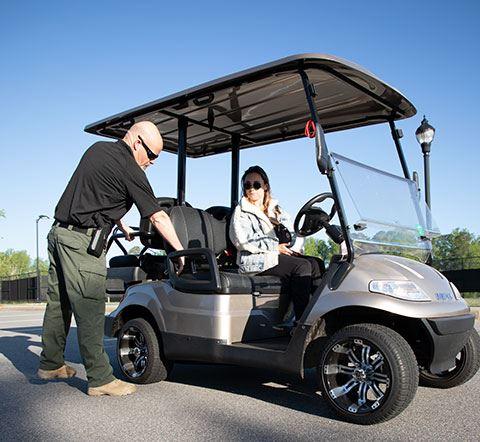
Why More Cities Are Letting Golf Carts on Public Streets—and Not Everyone Is Happy About It

Not long ago, golf carts belonged almost exclusively on golf courses, gated communities, and retirement neighborhoods. Today, however, they are becoming an increasingly common sight on public roads across America. In many towns, residents now use golf carts to grab groceries, visit restaurants, shuttle kids to school events, or make short neighborhood trips without ever starting a full-size vehicle.
For supporters, the trend feels practical, affordable, and even fun. Golf carts cost less to operate, burn little or no fuel in electric models, and offer a slower-paced way to move around town. Critics, however, argue the growing popularity of golf carts on public streets creates serious safety concerns, especially when mixed with traditional traffic.
As more cities approve golf-cart-friendly ordinances, the debate over convenience versus safety continues growing.
Why Cities Are Embracing Golf Carts
Across the country, cities and small towns are increasingly rewriting local ordinances to allow golf carts on certain public roads.
According to the Texas Department of Transportation, Texas law allows municipalities and counties to authorize golf carts on roads with speed limits generally under 35 mph, particularly within master-planned communities, beach communities, or areas deemed appropriate for low-speed transportation.
The shift comes partly from practicality.
In smaller communities, residents often make short trips of only a mile or two. Driving a full-size truck or SUV for quick errands feels unnecessary to some people, especially in neighborhoods where speeds remain low and destinations stay close.
Golf carts also appeal to older residents who may want easier transportation without the expense of maintaining another vehicle. In tourist communities and lake towns, carts often become part of local culture.
Places like Galveston, beach towns, retirement communities, and smaller Texas municipalities have increasingly embraced golf-cart access in designated areas.
Why the Trend Is Growing So Quickly
One major factor behind the golf cart boom is cost.
Traditional vehicles continue becoming more expensive. Rising insurance rates, fuel prices, repair costs, and vehicle payments have pushed many people to rethink short-distance transportation. Electric golf carts, while still costly upfront, often cost far less to maintain than cars or trucks.
Neighborhood design also plays a role.
According to the National Association of City Transportation Officials, communities built around shorter commutes and mixed-use development increasingly encourage alternative transportation options for nearby travel.
In many neighborhoods, golf carts feel like a natural fit.
Parents use them for sports practices. Residents take them to parks or community pools. Some people even modify carts with stereos, upgraded seats, turn signals, and street-legal packages that resemble miniature vehicles.
For many families, golf carts become less of a luxury and more of a second vehicle.
Safety Concerns Continue Raising Questions
Despite growing popularity, not everyone believes golf carts belong on public streets.
One of the biggest concerns involves safety.
Unlike traditional vehicles, golf carts offer little protection during collisions. Most lack airbags, crash-tested frames, and advanced safety systems drivers expect in modern cars. According to the National Highway Traffic Safety Administration, low-speed vehicles and golf carts carry increased risks when sharing roads with larger, faster-moving traffic.
Accidents involving golf carts have also increased in some areas.
Safety advocates point to concerns involving distracted drivers, children operating carts, lack of seatbelt use, nighttime visibility, and carts crossing busy intersections not designed for slower traffic.
Law enforcement officials in some communities say confusion over rules creates additional problems.
Questions quickly emerge:
Can minors drive them?
Do drivers need insurance?
Can carts legally cross highways?
Do headlights and mirrors matter?
The answers vary dramatically depending on city ordinances and state laws.
Texas Has Become a Major Golf Cart State
In Texas, golf cart use has exploded, especially in lake communities, coastal towns, and suburban neighborhoods.
According to the Texas Department of Transportation, golf carts may legally operate under specific circumstances, including within master-planned communities, on beaches, or on roads authorized by local governments.
Many cities have embraced the trend because residents clearly want it.
Neighborhoods near lakes frequently see golf carts moving between marinas, restaurants, and homes. In Hill Country communities and coastal areas, the vehicles often become part of daily life.
Still, cities adopting golf cart ordinances often include restrictions involving speed limits, required safety equipment, permits, and operational hours.
The goal is simple:
Allow convenience without creating unnecessary risk.
Critics Say Cities May Be Moving Too Fast
Some critics argue cities are embracing golf carts faster than infrastructure can support them.
Roadways originally designed for cars and trucks may not safely accommodate vehicles traveling significantly slower. Visibility concerns increase at dusk or nighttime, particularly when carts lack lighting upgrades.
Others worry about enforcement.
Police departments in some communities already struggle monitoring traffic laws. Adding golf-cart-specific rules involving registration, age limits, and equipment requirements creates another layer of enforcement challenges.
Some residents also question whether golf carts create a false sense of safety.
Because they feel recreational, people sometimes forget they still operate alongside real traffic.
And accidents involving golf carts can quickly become serious.
The Bottom Line
What started as transportation for golf courses has quietly become one of the fastest-growing trends in local transportation.
Cities across Texas and the country are increasingly allowing golf carts on public streets as residents search for cheaper, simpler, and more convenient ways to travel short distances.
Supporters see them as practical, fun, and community-friendly.
Critics see growing safety risks and unanswered questions.
Either way, one thing is becoming increasingly clear:
The humble golf cart is no longer staying on the fairway.