
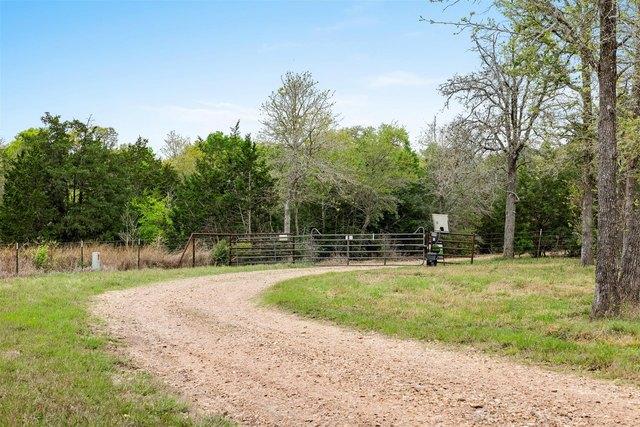
Neighbor Changed the Shared Gate—Now a Property Access Dispute Is Tearing Neighbors Apart

What started as a simple change to a ranch gate quickly turned into a bitter property dispute between neighbors after one landowner allegedly modified a shared entrance in a way the other owner says made access nearly impossible.
At first, the disagreement seemed minor.
A gate had always marked the entrance to a shared access road serving two neighboring properties. For years, both landowners reportedly used the same entrance without major problems. Trucks passed through regularly, deliveries came and went, and while neighbors did not always agree on everything, access itself had never become an issue.
Then one of the owners decided to make changes.
According to the neighboring landowner, the gate suddenly became harder to open, more restrictive, and significantly more difficult to navigate—especially while hauling trailers, equipment, or livestock.
That is when frustrations started building.
A Shared Entrance Suddenly Became a Problem
The dispute reportedly centered around a private access easement used by both properties.
Shared access arrangements are common across rural America, particularly in Texas where large ranches and subdivided acreage often rely on easements to connect landlocked tracts to county roads. In many cases, neighbors share gates, roads, cattle guards, or maintenance responsibilities for years without conflict.
Problems usually begin when someone makes changes.
According to the landowner raising concerns, the neighboring property owner allegedly modified the gate structure, adding extra locking mechanisms and repositioning portions of the entrance in ways that made entering with trailers and larger vehicles far more difficult.
The issue reportedly became especially frustrating during hunting season and property maintenance when repeated trips in and out of the land became necessary.
“It turned something simple into a hassle every single time,” the property owner reportedly said while describing the situation.
Easement Rights Can Quickly Become Complicated
While many people assume owning land automatically means controlling access, property easements often create shared legal obligations.
According to the Texas A&M AgriLife Extension Service, easements are legal rights allowing someone to use another person’s property for a specific purpose, often involving roads, utility access, or shared entry points. When an easement exists, neither party generally has unlimited authority to interfere with reasonable access.
That is where disputes often begin.
Questions quickly surface.
Who owns the gate?
Who decides what changes can be made?
Can one landowner legally restrict access if both parties rely on the same road?
The answers often depend heavily on the wording of property deeds, easement agreements, and county records.
In many situations, courts examine whether changes create what lawyers often call an “unreasonable burden” on access.
Gates Have Triggered Bigger Fights Than Many Realize
Across rural Texas, gate disputes have sparked lawsuits, neighbor feuds, and even criminal complaints.
According to the Texas A&M AgriLife Extension Service, access disputes involving gates, fencing, road maintenance, and blocked easements remain some of the most common property disagreements among rural landowners.
Sometimes the disagreements involve locks.
Other times, one landowner widens roads, reroutes entrances, installs cattle guards, or attempts to limit who can pass through.
In some cases, disputes escalate after one owner claims safety or livestock concerns justify modifications while the other argues access rights are being violated.
What begins as a disagreement about a gate often turns into something much larger.
When Property Rights Collide
For both neighbors, the dispute reportedly became about more than convenience.
One landowner allegedly argued the changes improved security and helped protect livestock while reducing unauthorized traffic. From that perspective, modifying the entrance felt reasonable and necessary.
The neighboring owner reportedly saw it differently.
To them, the gate represented a shared entrance, and any modification that complicated normal access crossed a line. Repeated difficulties opening the gate, maneuvering trailers, and entering property reportedly transformed everyday routines into recurring frustration.
That emotional shift matters.
Land disputes often become personal because property itself feels personal.
People invest money, time, and identity into land ownership. Once access becomes contested, trust between neighbors often deteriorates quickly.
What Usually Happens Next
Legal experts often recommend landowners facing easement disputes start with documentation.
According to guidance from the Texas A&M AgriLife Extension Service, reviewing recorded easement language, communicating in writing, and documenting modifications can help prevent disputes from escalating unnecessarily.
Still, many rural disagreements never stay simple.
Sometimes neighbors eventually compromise.
Other times, surveyors, attorneys, or judges get involved.
And occasionally, a disagreement over something as ordinary as a gate turns into years of tension between people who once got along.
The Bottom Line
For two neighboring property owners, a shared access road reportedly became the center of an increasingly frustrating land dispute after one owner modified a gate the other says made entry far more difficult.
On paper, it sounds like a small problem.
A gate.
A lock.
An inconvenience.
But rural landowners understand something many outsiders do not:
When access to your property suddenly changes, even small decisions can feel much bigger than they first appear.