
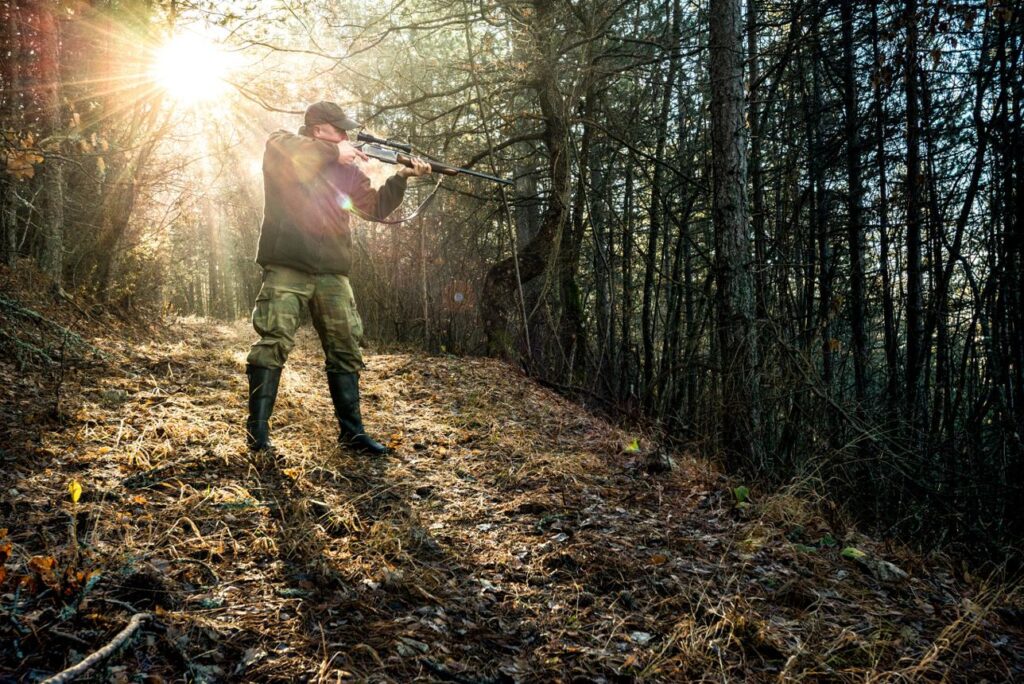
Hunter Thought He Shot a Black Bear—Now He’s Facing Charges After a Split-Second Mistake

A hunting trip in northern Idaho took an unexpected turn after a hunter reportedly mistook a protected grizzly bear for a black bear, triggering an investigation and potential legal consequences.
According to wildlife officials, the incident happened in Idaho’s Panhandle region near Priest Lake earlier this year. What initially appeared to be a legal bear harvest quickly became something very different after the hunter approached the animal and realized he had made a serious mistake.
Now, the case is serving as a reminder of how one split-second decision in the field can lead to major consequences.
The Shot That Changed Everything
According to the Idaho Department of Fish and Game, the hunter shot what he believed was a black bear on the evening of May 9, 2025, in the Priest Lake drainage of northern Idaho.
But once the hunter reached the animal, he reportedly realized it was not a black bear at all.
It was a young female grizzly bear.
That distinction matters enormously in Idaho. While black bear hunting is legal during established seasons, grizzly bears remain federally protected under the Endangered Species Act in much of the Lower 48, making it illegal to harvest one except in rare self-defense situations. According to Idaho Fish and Game officials, the hunter immediately reported the mistake through Idaho’s Citizens Against Poaching hotline and fully cooperated with investigators.
Wildlife officials emphasized that the case remains under investigation and that legal outcomes depend heavily on the facts surrounding the incident.
Why Mistaken Identity Happens More Than People Think
To many non-hunters, confusing a grizzly for a black bear may sound impossible.
But wildlife officials say mistaken identity cases happen more often than many people realize, particularly in areas where multiple species overlap.
According to the Idaho Department of Fish and Game, grizzly bears and black bears can sometimes appear surprisingly similar depending on lighting, distance, vegetation, and body position. Color alone is not reliable. Black bears can appear cinnamon or brown, while younger grizzlies may appear smaller or darker than people expect. Wildlife experts instead encourage hunters to focus on identifying features such as shoulder humps, ear shape, facial profile, and claw length.
Poor visibility often plays a role in these incidents.
Low light, thick brush, adrenaline, and fast decision-making can combine into situations where hunters make mistakes they later deeply regret.
Idaho Changed the Rules for a Reason
Incidents involving mistaken bear identity became serious enough that Idaho strengthened hunter education requirements.
According to the Idaho Department of Fish and Game, beginning January 1, 2025, all Idaho black bear hunters are now required to complete a mandatory bear identification course specifically designed to help distinguish black bears from protected grizzlies. Officials say the training focuses on common identification mistakes and encourages hunters to avoid taking uncertain shots.
The requirement reflects a larger concern.
As grizzly populations slowly recover and expand into portions of Idaho, Montana, and Wyoming, hunters increasingly encounter areas where both species overlap.
That overlap creates more opportunity for mistakes.
Hunters Have Faced Charges for Similar Errors
Mistaken identity cases involving wildlife can carry serious consequences.
According to reporting by MeatEater, hunters across several states have faced citations, fines, license suspensions, and confiscation of harvested animals after mistakenly shooting protected or out-of-season wildlife. In Colorado, for example, hunters who accidentally shot moose while believing they were elk reportedly faced careless hunting charges and license suspension points. In Wyoming, a hunter who claimed he mistook a trophy mule deer for a whitetail eventually received major fines and hunting restrictions.
Wildlife officers generally emphasize one core rule:
If there is uncertainty, do not shoot.
Many conservation officers say hesitation rarely creates problems.
Wrong identification often does.
A Difficult Lesson for Hunters
One reason stories like this resonate with hunters is because they reflect something uncomfortable:
Mistakes can happen.
Most hunters understand the pressure of low light, fleeting opportunities, and animals moving through cover. But ethical hunting has always carried a major responsibility—the obligation to positively identify an animal before pulling the trigger.
According to Idaho Fish and Game officials, the hunter’s immediate self-reporting and cooperation mattered. Officers publicly acknowledged that he reported the incident himself instead of leaving the animal behind or attempting to hide the mistake.
Still, the loss of a protected grizzly remains serious.
And mistakes in the field do not always erase consequences.
The Bottom Line
For one Idaho hunter, what began as a legal black bear hunt quickly turned into a wildlife investigation after a protected grizzly was mistakenly killed.
The incident serves as another reminder that hunting decisions often happen in seconds—but the consequences can last much longer.
Because in the woods, certainty matters.
And sometimes, one wrong assumption can change everything.