
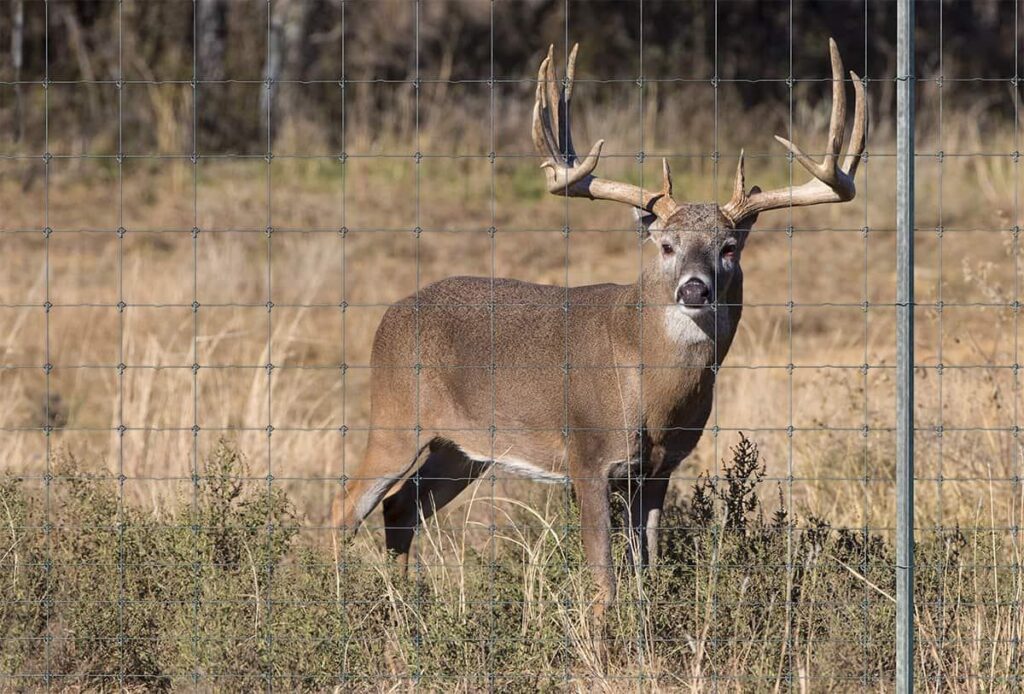
Why High Fence Hunting Sparks So Much Debate in the Hunting Community

Few topics in the hunting world divide opinions faster than high fence hunting. Mention it around a campfire, in a hunting forum, or inside a sporting goods store, and chances are the conversation will turn heated in a hurry.
To some hunters, high fence ranches represent excellent wildlife management, healthier herds, and opportunities to pursue mature animals in places where habitat is carefully maintained. To others, high fence hunting feels too controlled and raises uncomfortable questions about what qualifies as fair chase.
The truth is that the issue is far more complicated than either side often admits.
And depending on who you ask, high fence hunting is either helping conservation—or hurting the soul of hunting itself.
What Is High Fence Hunting?
At its core, high fence hunting involves properties enclosed by fencing designed to contain wildlife, most commonly whitetail deer and exotic species.
In Texas especially, high fence ranches have become a major part of the hunting industry. According to the Texas Parks and Wildlife Department, Texas contains thousands of permitted deer breeding facilities and high-fence operations that manage wildlife for hunting, conservation, genetics, and habitat purposes.
Not all high fences look the same.
Some ranches may cover only a few hundred acres. Others span thousands—or even tens of thousands—of acres where animals live in environments that look and function much like free-range habitat.
That distinction often becomes important in the debate.
A 300-acre enclosure feels very different to many hunters than a 20,000-acre ranch where animals can roam for miles.
Still, critics argue that once an animal cannot leave, the hunt fundamentally changes.
Supporters Say High Fence Ranches Improve Wildlife Management
Many supporters of high fence hunting argue the criticism oversimplifies what happens on responsible ranches.
According to the Texas Wildlife Association, many managed hunting properties invest heavily in habitat restoration, water development, supplemental feeding, predator management, brush control, and long-term wildlife health.
Supporters argue those investments create healthier deer populations and stronger habitat than what often exists on unmanaged land.
In drought-prone states like Texas, some ranch owners say fencing helps prevent overharvest and allows wildlife managers to carefully balance herd numbers with available habitat.
Many ranches also protect mature age structure.
Instead of shooting young bucks immediately, managers often allow deer to reach older age classes, creating larger antlers and healthier breeding populations.
Some ranch owners argue their properties contribute significantly to conservation by preserving undeveloped land that might otherwise become subdivisions or commercial property.
For supporters, high fence hunting represents management—not shortcuts.
Critics Say Fair Chase Starts to Disappear
Critics, however, see something entirely different.
One of the biggest concerns centers around the idea of fair chase.
According to the Boone and Crockett Club, fair chase hunting emphasizes giving wild animals a reasonable opportunity to escape. The organization’s widely recognized ethics standards generally reject animals hunted under conditions where freedom of movement becomes overly restricted.
For some hunters, fences—regardless of property size—cross that line.
They argue hunting should involve uncertainty.
Animals should have the ability to leave.
A mature buck slipping onto neighboring property, disappearing into public land, or simply avoiding hunters altogether is viewed as part of what makes success meaningful.
Critics often argue that some high fence operations, particularly smaller ranches or poorly managed properties, create situations where animals become easier to predict or harvest.
That perception fuels much of the controversy.
To many hunters, the issue is less about legality and more about ethics.
The “Pay-to-Shoot” Criticism
Another major criticism involves commercialization.
Some hunters argue certain high fence operations prioritize giant antlers and guaranteed harvest opportunities over hunting itself. Expensive guided hunts for genetically managed trophy deer sometimes reinforce perceptions that wealthy hunters are simply paying for outcomes.
According to discussions within the hunting community and commentary published by organizations like the Boone and Crockett Club, concerns occasionally arise when trophy-focused operations appear disconnected from traditional hunting values.
Supporters often push back hard on that argument.
They note that many free-range hunts also involve leases, guides, feeders, trail cameras, food plots, and private access. In their view, hunting has become increasingly managed across the board, making criticism of high fence operations feel selective.
They also argue there is a major difference between responsibly managed hunting ranches and smaller “canned hunt” facilities where animals have little room to escape.
Most supporters insist those should not be treated as the same thing.
Disease Concerns Add Another Layer
The debate has intensified in recent years because of disease concerns.
According to the Texas Parks and Wildlife Department, diseases such as Chronic Wasting Disease have increased scrutiny around deer movement, captive breeding facilities, and enclosed populations.
Wildlife agencies across multiple states have raised concerns about disease transmission risks tied to concentrated cervid populations and transportation between facilities.
Supporters argue strict testing and management can reduce risks.
Critics believe concentration itself creates unnecessary danger.
That disagreement continues fueling tension between regulators, breeders, ranch owners, and hunters.
The Bigger Question: What Counts as Hunting?
At the center of the debate sits a question many hunters struggle to answer:
What exactly counts as hunting?
For some, success only feels meaningful if an animal had every opportunity to disappear.
For others, ethical hunting depends more on behavior, shot placement, habitat stewardship, and respect for wildlife than whether a fence exists somewhere miles away.
The answer often depends heavily on personal values.
And that is why the debate rarely ends.
The Bottom Line
High fence hunting continues sparking strong opinions because it touches something deeply personal for hunters: what the experience is supposed to mean.
Supporters see conservation, habitat management, and opportunities to hunt mature animals responsibly.
Critics see reduced uncertainty and ethical lines becoming blurred.
What almost everyone agrees on, however, is this:
The conversation around high fence hunting is not going away anytime soon.