
North Texas Developer Bought Land for Homes—Then He Learned the Property Had Been Used for Mineral Exploration in the 1950s and the Lawsuits Have Started.

For one North Texas land developer, what looked like a promising residential project reportedly turned into an expensive legal mess after a piece of the property’s history unexpectedly resurfaced.
According to people familiar with the situation, the developer purchased a large tract of land outside a growing North Texas community with plans to build homes and improve internal roads for a new subdivision. At first, the project reportedly looked straightforward. Demand for rural housing remained strong, nearby development continued expanding, and the location appeared ideal for buyers wanting space outside larger cities.
Then construction reportedly started revealing problems nobody expected.
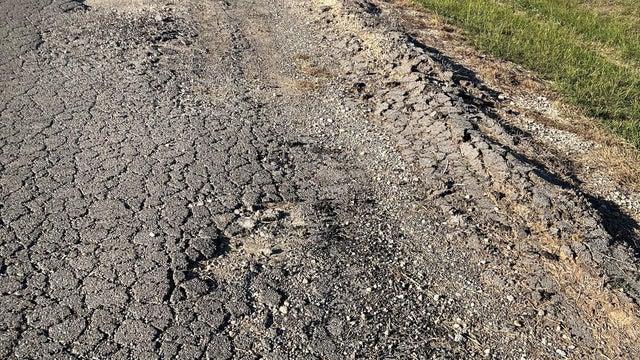
Road sections allegedly began shifting.
Ground movement reportedly appeared beneath newly improved access areas.
And in some locations, engineers allegedly discovered instability severe enough to halt portions of construction.
At first, according to people involved, contractors assumed poor soil conditions or drainage issues explained the damage.
The truth reportedly turned out far more complicated.
Old Mineral Exploration Apparently Left a Hidden Problem
According to engineers reviewing historical records, portions of the property had allegedly been used during the 1950s for exploratory mineral and subsurface testing.
Back then, energy and mineral companies routinely drilled exploratory shafts, dug trenches, created temporary access roads, and performed underground testing while searching for commercially valuable deposits. In many cases, sites were later abandoned, partially filled, or poorly documented by modern standards.
According to reports tied to the dispute, historical maps and old county filings reportedly showed sections of the North Texas property contained former testing locations that had never fully stabilized.
Some underground areas allegedly settled unevenly over time.
Others reportedly weakened surrounding soil conditions in ways not immediately obvious from surface inspections.
For decades, none of it reportedly created major issues.
Then heavy development equipment arrived.
Road Problems Quickly Became Expensive
According to people close to the project, problems escalated after roads designed to support residential traffic reportedly started cracking, shifting, and settling unevenly.
Engineers allegedly identified sections where subsurface instability created risks for long-term infrastructure failure. In certain areas, repairs reportedly became far more expensive than originally expected because rebuilding required deeper stabilization work instead of routine grading and paving.
The situation reportedly grew worse after potential homeowners and contractors raised concerns.
Construction delays followed.
And eventually, lawsuits reportedly started.
According to individuals involved, legal claims now allegedly involve questions over disclosure, liability, prior environmental review, engineering oversight, and whether historic land conditions should have been discovered before purchase.
At the center of the dispute sits one difficult question:
Who should have known?
Old Land History Is Becoming a Bigger Issue Across Texas
As Texas development continues pushing into older ranchland and rural acreage, historic land use increasingly creates unexpected surprises.
Across parts of the state, developers occasionally discover abandoned oil infrastructure, undocumented dump sites, old wells, former military activity, buried foundations, and forgotten industrial uses tied to land histories stretching back generations.
Many of those issues stay invisible until major development begins.
What once sat harmlessly beneath pastureland sometimes becomes far more serious when roads, utilities, foundations, and drainage systems enter the picture.
For developers, that reality can turn profitable projects into expensive problems quickly.
Especially when historical records remain incomplete.
The Story Is Still Unfolding
According to people familiar with the matter, engineers continue evaluating long-term fixes while attorneys sort through responsibility questions tied to the property’s condition.
Some portions of the development reportedly remain active, while others allegedly face delays until stability concerns are resolved. Residents and contractors reportedly hope the situation eventually settles before additional litigation expands.
For now, nobody appears eager to guess how expensive the final outcome may become.
The Bottom Line
For one North Texas land developer, what started as a routine residential project reportedly changed dramatically after engineers allegedly discovered parts of the property had once been used for mineral testing during the 1950s.
As road failures, unstable ground, and legal questions continue mounting, the project has reportedly become an expensive reminder of something many experienced landowners already understand:
In Texas, the history buried beneath the land can sometimes matter just as much as the land itself.