
Brown County Woman Says Someone Tried to Sell Her Property Without Permission—Now Police Are Investigating

For one Brown County landowner, what should have been a routine step toward selling property reportedly turned into something far more unsettling after she discovered someone else may have already been trying to sell the land behind her back.
According to Mrs. Fuentes, the situation began when she started preparing to list property she owns in Brown County. Like many landowners, she reportedly expected the process to involve gathering paperwork, speaking with professionals, and eventually finding a buyer.
Instead, she reportedly discovered the property was already being advertised.
The problem was simple:
She had never listed it.
The Listing Reportedly Looked Convincing
According to Mrs. Fuentes, someone using the last name “Fuentes” had allegedly created a listing for the property and was actively marketing it as an owner-financed deal.
At first glance, the listing reportedly looked legitimate.
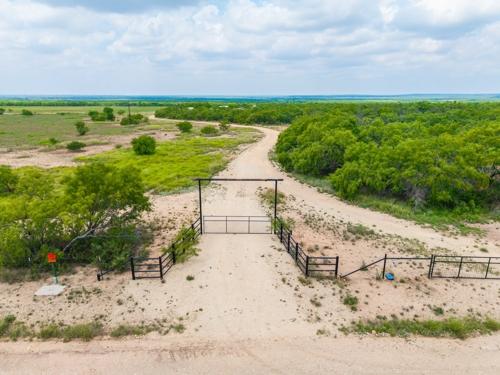
The acreage matched her property, photos reportedly appeared to show the correct land, and the advertisement allegedly promoted flexible owner-financing terms designed to attract buyers who may not qualify through traditional lenders.
According to Mrs. Fuentes, confusion quickly turned into alarm after she realized she had never authorized anyone to market the property and did not recognize the individual connected to the listing.
The name, however, reportedly stood out immediately.
Whoever created the listing allegedly shared the same last name.
That coincidence reportedly made the situation even stranger.
Concerns Grew Quickly
According to Mrs. Fuentes, her biggest concern involved the possibility that someone could unknowingly send money believing they were purchasing legitimate property.
Owner-finance deals often move differently than traditional real estate transactions. In some situations, buyers make deposits or monthly payments directly to sellers without involving banks, which can create opportunities for confusion or fraud if ownership records are not carefully verified.
After reviewing the listing and confirming she had no connection to it, Mrs. Fuentes reportedly contacted local authorities.
According to the landowner, police are now investigating whether the listing involved attempted fraud, mistaken identity, forged ownership claims, or some other explanation.
At this stage, authorities have not publicly announced arrests or identified suspects.
Property Fraud Has Become a Growing Concern
Cases involving unauthorized property listings have become more common in recent years, particularly involving vacant land.
Real estate professionals increasingly warn landowners that scammers sometimes target rural acreage because empty properties are harder to monitor and often sit vacant for long periods. Fraud schemes may involve fake listings, forged documents, impersonation of owners, or requests for deposits tied to land the seller does not actually control.
According to the Federal Bureau of Investigation, real estate and title fraud complaints have increased nationwide as scammers exploit online marketplaces and digital listings.
Rural properties can become especially vulnerable.
Because many buyers assume vacant land deals require less oversight, some people fail to verify ownership records carefully before exchanging money.
The Situation Remains Under Investigation
According to Mrs. Fuentes, the unauthorized listing has since been flagged and steps have reportedly been taken to prevent confusion while investigators determine exactly what happened.
For now, she reportedly hopes the situation serves as a warning to both landowners and buyers.
Before sending money or signing agreements, experts generally recommend verifying ownership through county appraisal districts, deed records, title companies, or licensed professionals.
Because even something that looks legitimate online may not actually belong to the person selling it.
The Bottom Line
For one Brown County woman, plans to sell property reportedly took an unexpected turn after she discovered someone else had allegedly already listed the land under the same last name and was attempting to market it through an owner-finance arrangement.
Police are now investigating the situation as questions remain about who created the listing and whether potential buyers may have already been contacted.
For Mrs. Fuentes, the experience reportedly left behind one unsettling realization:
Sometimes the biggest surprise in real estate is discovering somebody else thinks they already own your land.