
A Story That Still Matters Today – Why You Don’t Get Close to Wild Animals
A Close Encounter That Turned Dangerous
It may not be a recent story, but the warning couldn’t be more relevant. At Lone Elk Park in Missouri, visitors once ignored posted safety signs and approached a herd of elk—only for the situation to turn violent when a bull charged without hesitation.
According to reporting from the St. Louis Post-Dispatch, the group had moved within close range of the elk—despite clearly posted warning signs instructing visitors to stay at least 100 feet away.
Warning Signs Ignored
Wildlife encounters often come down to one simple factor: distance.
In this case, that distance was ignored.
According to the St. Louis Post-Dispatch, a nature photographer nearby watched as the group approached the herd and began taking selfies. The situation escalated quickly when a dominant bull elk began to show signs of agitation.
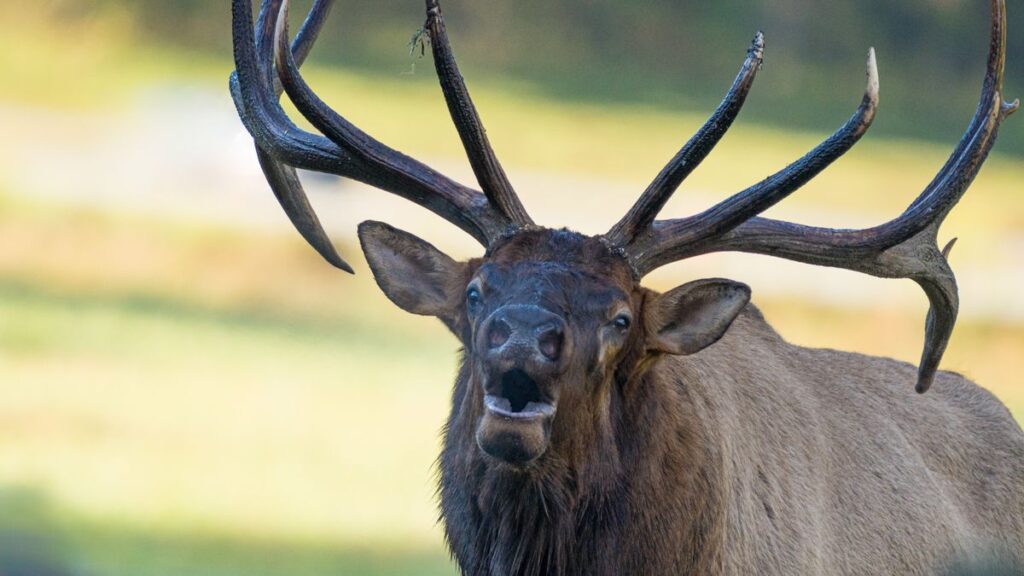
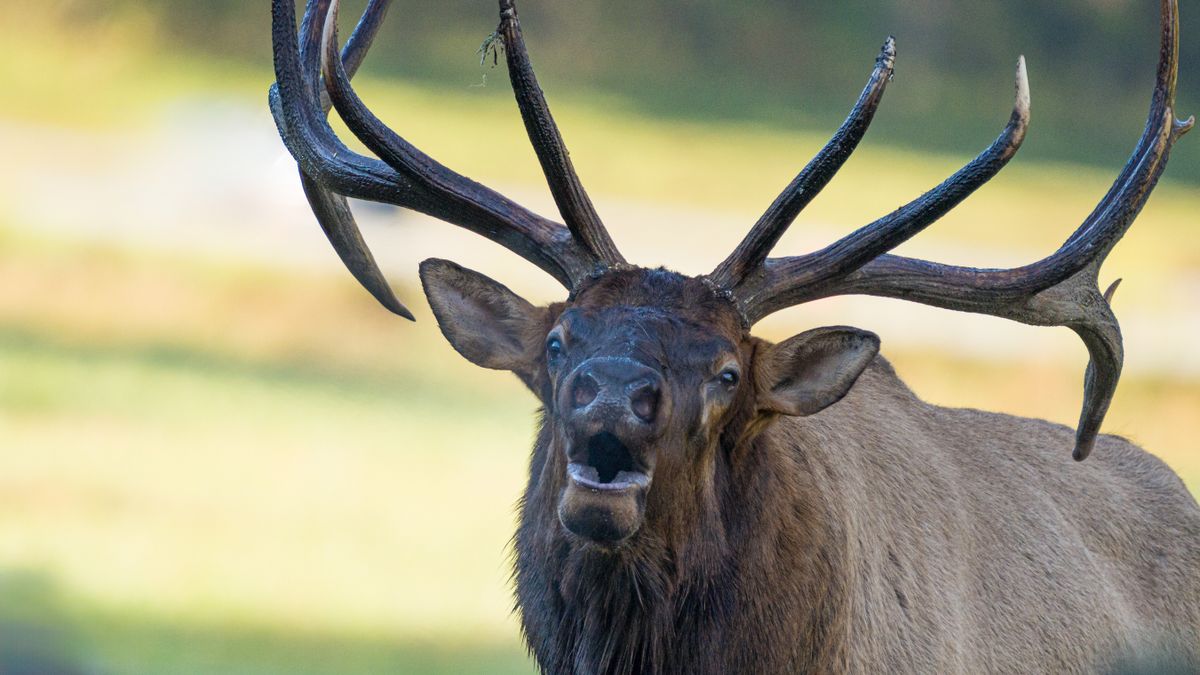
The animal reportedly bellowed a warning—a clear signal that it felt threatened.
Moments later, it charged.
The Power of a Bull Elk
Elk are not just large—they are powerful and unpredictable, especially during certain times of year.
According to the Missouri Department of Conservation, bull elk can grow up to 9 feet long and weigh as much as 830 pounds, making them one of the largest members of the deer family in North America.
During the rut, or breeding season, males become especially aggressive as they defend territory and compete for mates.
That combination of size and behavior can make them extremely dangerous when approached.
The Moment of Impact
As the bull elk charged, there was little time to react.
According to the St. Louis Post-Dispatch, the animal’s antlers struck the woman’s arm, leaving her bleeding from the encounter.
While the injuries were not reported as fatal, the situation could have been far worse given the size and force behind the animal.
A Preventable Situation
Incidents like this are often avoidable.
Wildlife parks and agencies consistently stress one rule: keep your distance.
According to guidance from the National Park Service, visitors should stay at least 25 yards away from most wildlife—and even farther from large animals like elk and bison.
These recommendations aren’t suggestions—they’re safety measures based on real risks.
Why Elk Are More Dangerous Than They Look
To many people, elk appear calm and even approachable.
But that perception can be misleading.
Bull elk, especially during the rut, are highly territorial and can react aggressively to perceived threats. Warning signs like:
- Bugling or loud vocalizations
- Head lowering
- Sudden movements
are often precursors to a charge.
By the time an animal decides to act, it’s usually too late to safely back away.
The Growing Problem of Wildlife Selfies
This incident is part of a larger trend—people getting too close to wildlife for photos.
As social media has grown, so has the desire to capture close-up encounters.
But wildlife experts continue to warn that these moments come with real danger.
According to safety guidance from the National Park Service, approaching wildlife for photos is one of the leading causes of preventable animal-related injuries in parks across the country.
The Bottom Line
What happened at Lone Elk Park wasn’t just bad luck—it was a situation that escalated after clear warnings were ignored.
A bull elk did what wild animals do when they feel threatened.
And in a matter of seconds, a photo opportunity turned into a dangerous encounter.
It’s a reminder that no matter how calm an animal may appear, it is still wild—and it deserves both respect and distance.