
23 Horses Removed After Months of Complaints About Neglect, Officials Finally Step In at Troubled Texas Property
For months, neighbors living near a rural Texas property reportedly struggled with a growing feeling that something was not right.
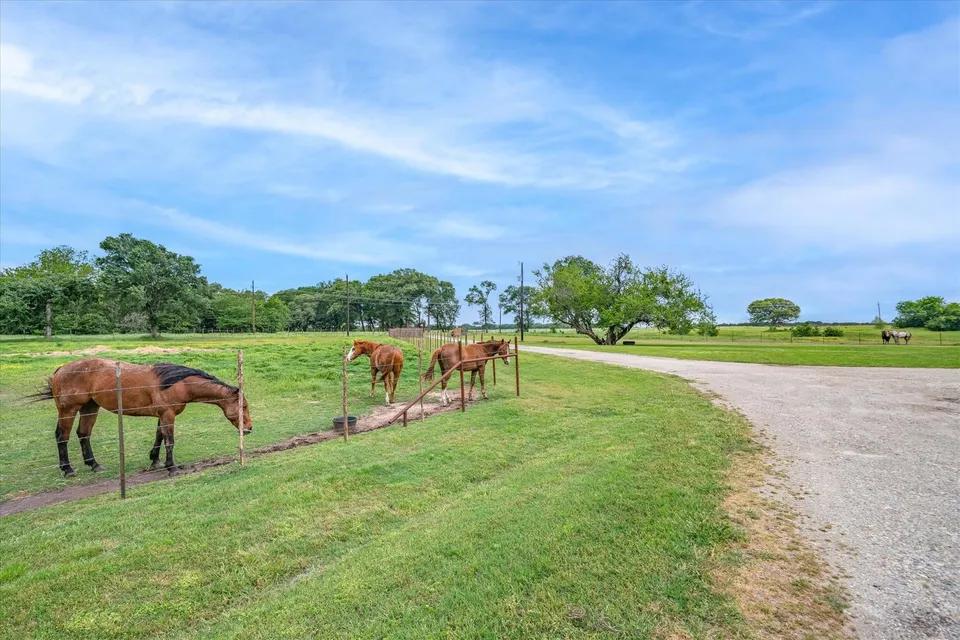
According to nearby residents, concerns initially started small enough that many people hesitated to jump to conclusions. Horses standing near damaged fencing looked thinner than usual, water troughs reportedly appeared empty at times, and conditions on portions of the property allegedly continued deteriorating week after week.
At first, several neighbors reportedly hoped the situation simply reflected temporary hardship.
Rural life comes with setbacks. Ranchers and livestock owners sometimes face illness, financial strain, drought conditions, or family emergencies that make caring for animals more difficult than outsiders realize. According to residents familiar with the property, many neighbors reportedly tried giving the benefit of the doubt before assuming the worst.
Still, according to multiple people living nearby, concern gradually became impossible to ignore.
Because what residents reportedly kept seeing looked increasingly troubling.
Complaints Started Adding Up
According to neighbors, repeated reports were eventually made after residents allegedly noticed animals appearing visibly underweight while standing in deteriorating pasture conditions.
Some nearby residents reportedly claimed fencing had fallen into disrepair, feed conditions looked inconsistent, and several horses allegedly appeared to remain outside with little visible shelter during changing weather conditions. While nobody nearby reportedly wanted conflict with a neighbor, many residents say concern for the animals eventually outweighed hesitation.
According to reporting from the San Antonio Humane Society and local officials, authorities ultimately began investigating complaints tied to a Hill Country-area property after repeated reports surfaced from surrounding residents. (mysanantonio.com)
For neighbors, the biggest frustration reportedly involved feeling powerless.
Many residents say situations involving livestock become emotionally difficult because people often struggle to determine when poor conditions cross the line from hardship into neglect.
Eventually, officials reportedly decided intervention had become necessary.
Authorities Finally Stepped In
According to local reporting, investigators and animal welfare personnel ultimately removed 23 horses from the property following a lengthy investigation into reported neglect concerns.
Officials reportedly worked alongside veterinarians and rescue partners to safely relocate the animals after determining intervention was warranted. According to authorities cited by MySA, veterinarians evaluated the condition of the horses during the operation while officials coordinated transportation and emergency care. (mysanantonio.com)
The scale of the rescue reportedly surprised many nearby residents.
For people living close to the property, the situation had reportedly become something neighbors quietly discussed for months, often wondering whether somebody would eventually step in before conditions worsened.
According to residents familiar with the situation, seeing trailers arrive and animals leave reportedly felt emotional.
Because regardless of where people stood, most agreed nobody wanted suffering.
Rural Animal Cases Often Become Complicated
Situations involving livestock care can quickly become difficult across rural communities.
Unlike abandoned pets inside neighborhoods, livestock investigations often involve large acreages, weather conditions, financial hardship, veterinary access, and property rights that complicate how and when authorities intervene. Officials generally require evidence, veterinary assessments, and legal review before removing animals from private property.
According to animal welfare professionals, neighbors often play an important role in reporting concerns because repeated observations frequently help investigators determine whether patterns exist.
At the same time, authorities caution against rushing to judgment.
Livestock can appear rough temporarily during drought, illness recovery, seasonal coat changes, or weather-related setbacks without necessarily indicating neglect.
That reality often creates uncomfortable gray areas.
In this case, however, authorities reportedly determined intervention had become necessary.
The Story Sparked Strong Reactions
According to local reporting, reactions across the community ranged from sadness to relief.
Some residents reportedly expressed sympathy for whoever had struggled to care for the animals, while others believed intervention should have happened sooner. Several neighbors reportedly said the situation felt heartbreaking because nobody wants to see animals decline, especially in communities where ranching and livestock ownership remain deeply tied to identity and daily life.
At the same time, many residents reportedly praised the people involved in relocating and caring for the horses after removal.
According to rescue groups, rehabilitation efforts for neglected livestock often take months and require extensive veterinary care, feeding programs, and long-term placement planning.
The Bottom Line
For neighbors living near one rural Texas property, repeated concerns about what they reportedly kept seeing eventually led to a large-scale intervention after officials removed 23 horses following a lengthy investigation.
According to local reporting and officials, veterinarians and rescue teams helped relocate the animals after concerns reportedly reached a point where authorities believed action had become necessary.
The situation reportedly left many residents reflecting on a difficult reality familiar across rural communities:
Sometimes people hope problems will improve on their own—until eventually someone decides waiting is no longer an option.